Can you bonsai any tree?
Short answer
Almost — any woody tree or shrub can technically become a bonsai, but some are far easier than others. Small-leaved, back-budding species like elm, juniper, and ficus take to it naturally. Big-leaved or fast-thickening trees can be trained but never quite look right in miniature. If it makes wood and tolerates pruning, you can try. Some just reward you more.
The rule: woody, small-leaved, back-budding
“Can you bonsai any tree?” has a technically-yes answer and a practically-it-depends one. The technical part: bonsai is a technique, so any tree or woody shrub can be grown in a pot and pruned small.
The practical part is what makes a good bonsai. Three traits matter. Small leaves, so the tree looks in proportion at a small scale. The ability to bud back on old wood, so you can prune hard and get new growth where you want it. And a tolerance for root pruning, so it survives repotting. A tree with all three — like an elm — is a joy. A tree missing them can be forced, but it fights you.
Trees that take to it easily
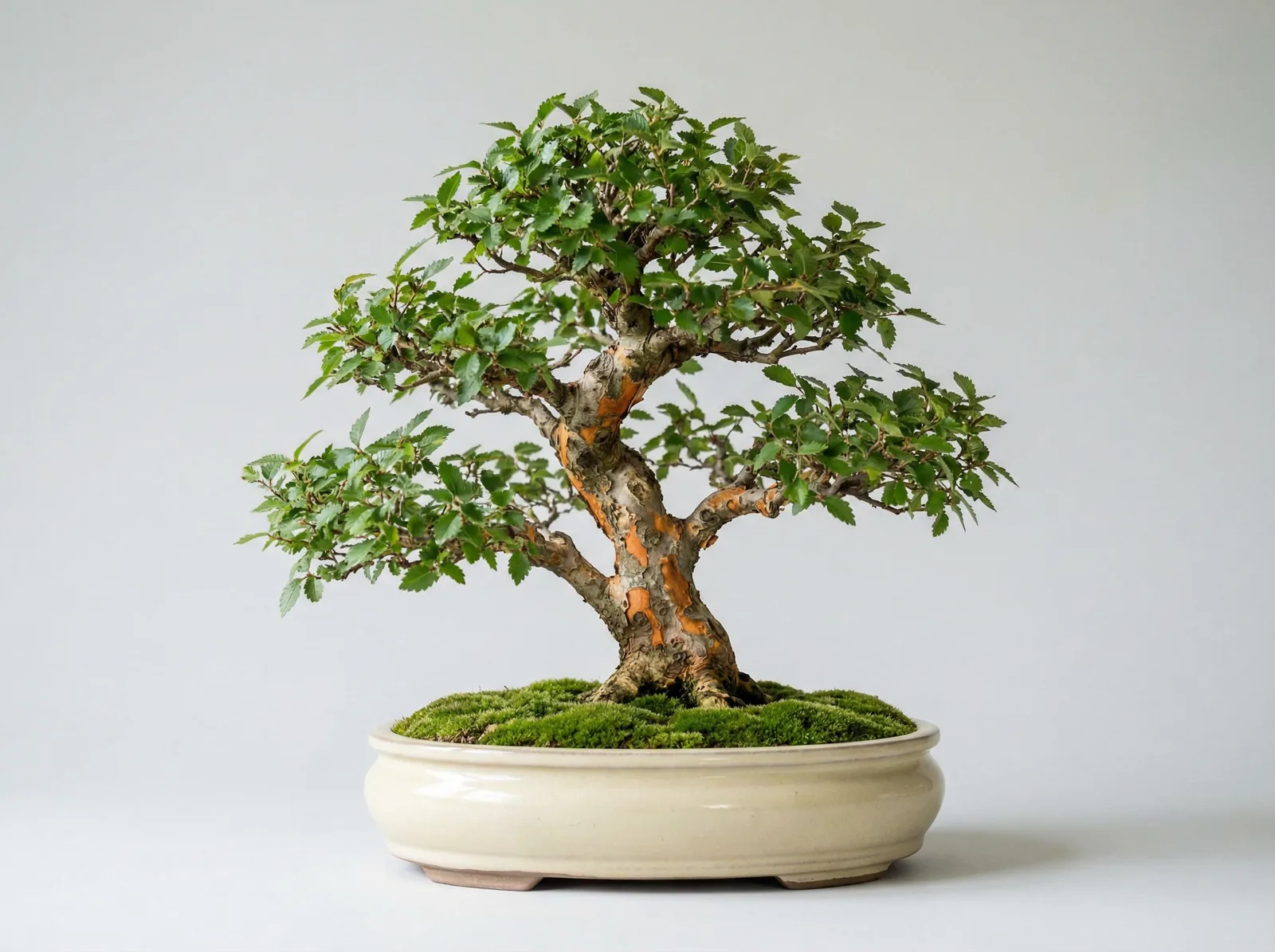
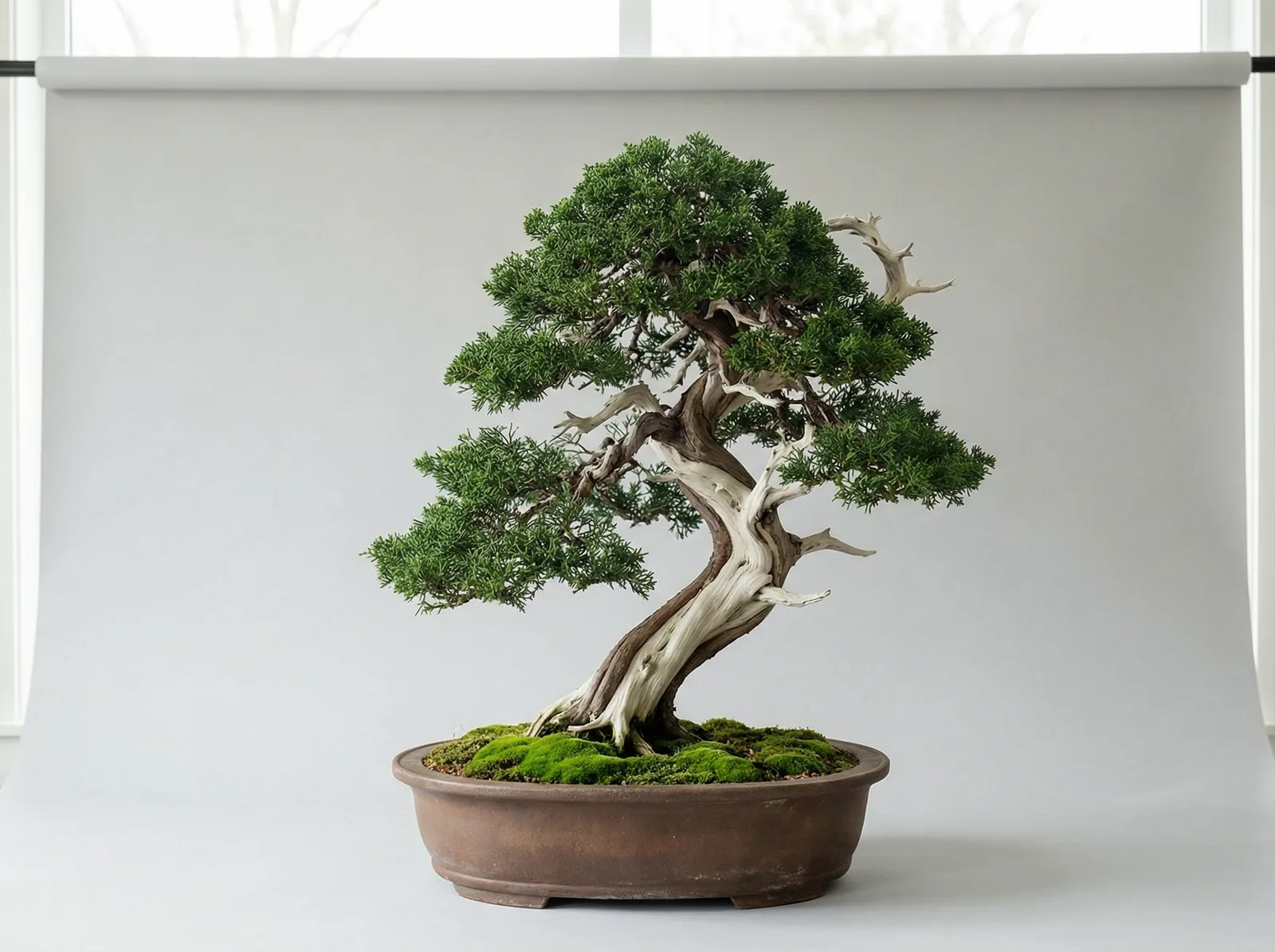
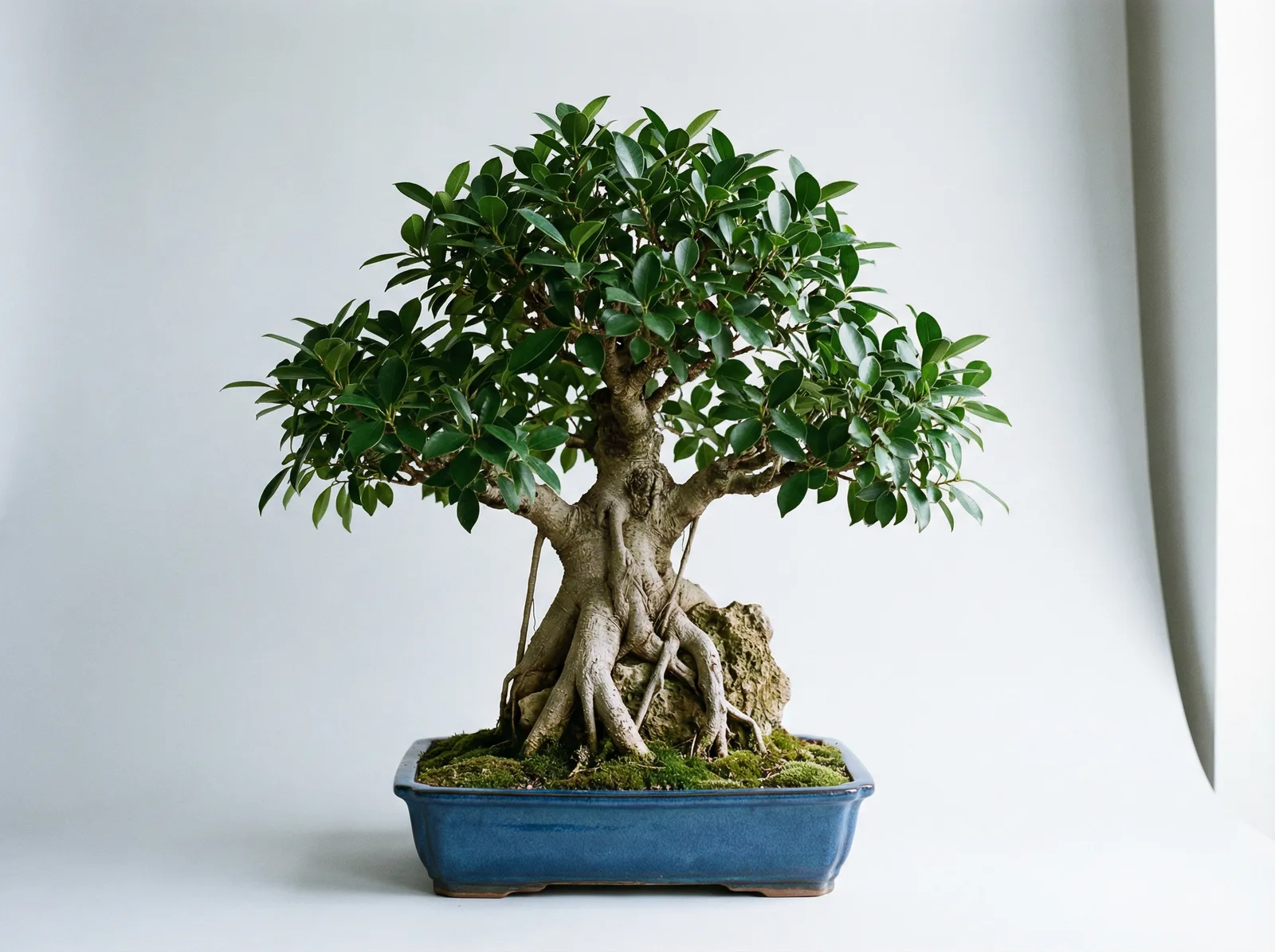
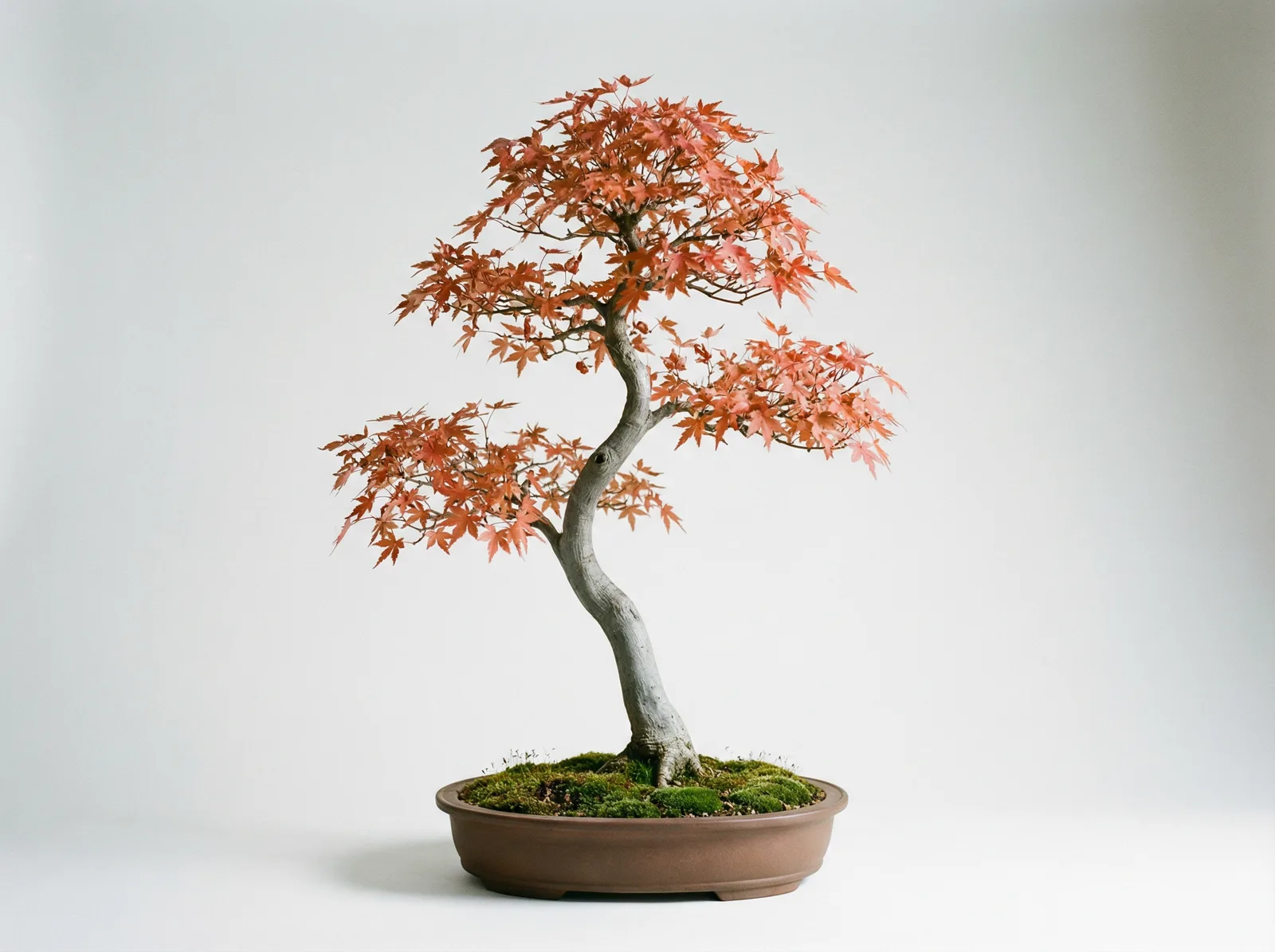
The classic bonsai species are classics for a reason — they hit all three traits. Chinese elm, Japanese maple, Chinese juniper, ficus, Chinese elm's cousin the zelkova, cotoneaster, and boxwood all have small leaves or needles, bud back willingly, and shrug off root pruning.
Use the explorer below to browse every species we cover along with common yard and houseplant trees, each with an honest note on how well it works. If a tree's in our directory, it's because it earns its place — and every name links to its full care page.
Trees you can try but will fight
Some trees are popular curiosities precisely because they're hard to do well. An avocado grown from a pit makes a fun houseplant but a poor bonsai — its leaves are enormous and won't reduce much, so it never reads as a miniature tree. Oaks from acorns have the same big-leaf problem and thicken slowly. Most large-fruited trees keep full-size fruit that dwarfs the tree comically.
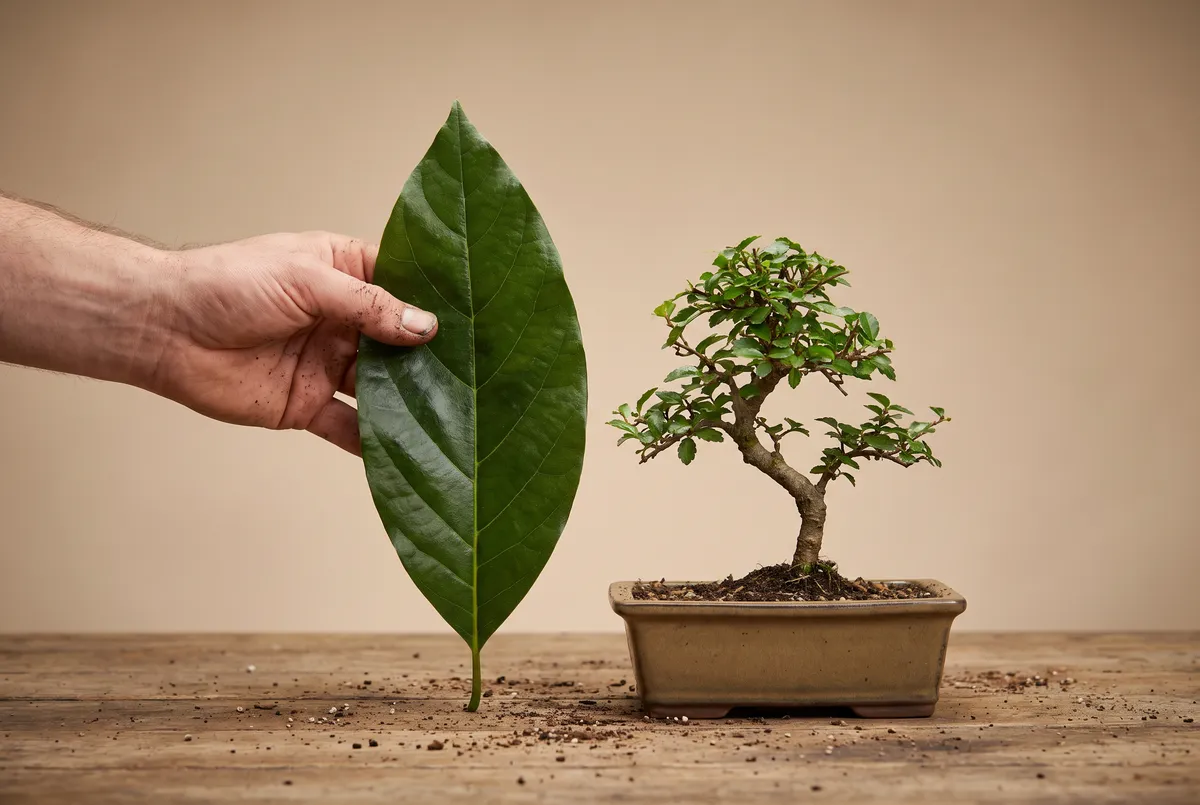
You can grow these, and it's a legitimate experiment. Just go in knowing they're projects that satisfy curiosity more than they produce a convincing bonsai. We'd rather tell you that up front than let you spend three years discovering it.
What won't work
A few things genuinely can't be bonsai, no matter the effort. Herbaceous plants — anything that dies back to the ground and doesn't build permanent wood — can't hold a bonsai structure; there's no trunk to develop. Palms don't branch or thicken like trees, so they can't be styled. Bamboo, despite the name, isn't a true tree and doesn't take to classic techniques (though it's grown in pots for a similar look).
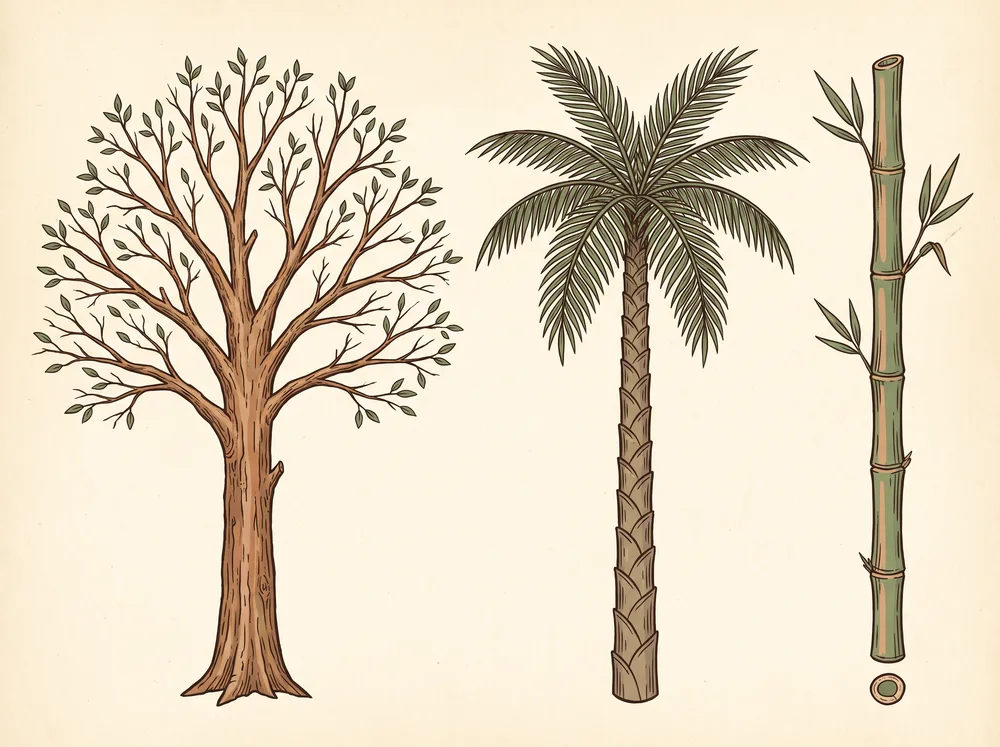
The test is simple: does it make wood, branch, and tolerate pruning? If yes, it's a candidate. If it's soft-stemmed or single-trunked-forever, it isn't.
- AzaleaBlooms on old wood and back-buds hard — evergreen azaleas are a whole bonsai tradition.Excellent
- Bald CypressFast trunks, flat-top classics, and it thrives in a wet pot most trees would rot in.Excellent
- Black PineThe benchmark conifer of Japanese bonsai — demanding technique, unmatched results.Excellent
- BoxwoodTiny leaves, dense growth, and it shrugs off pruning that would set other species back.Excellent
- Chinese ElmSmall leaves, fast ramification, forgiving of mistakes — the classic first tree for a reason.Excellent
- Coast RedwoodNeedle or scale foliage that scales down beautifully.Excellent
- Cork Bark ElmChinese elm vigor under rugged, fissured bark that reads old years early.Excellent
- CotoneasterTiny leaves, flowers, berries, and back-buds everywhere — a shohin favorite.Excellent
- Dawn RedwoodNeedle or scale foliage that scales down beautifully.Excellent
- FicusVigorous, fuses roots, forgives beginners — the strongest indoor subject there is.Excellent
- HornbeamFine twigs, muscled trunks, reliable back-budding — a deciduous workhorse.Excellent
- Japanese MapleThe deciduous benchmark — fine branching, fall color, and centuries of refinement behind it.Excellent
- JuniperFlexible limbs, classic deadwood, endless styling range — outdoors only, always.Excellent
- LarchA deciduous conifer: fast ramification, golden fall needles, superb in groups.Excellent
- Mugo PineNeedle or scale foliage that scales down beautifully.Excellent
- OliveGnarled trunks, tiny gray-green leaves, drought-tough — superb Mediterranean material.Excellent
- PrivetNearly indestructible and back-buds anywhere — humble material, great practice.Excellent
- Red MapleSmall leaves and strong back-budding — prime material.Excellent
- Redwood / sequoiaVigorous conifer that makes a striking, fast-developing bonsai.Excellent
- Satsuki AzaleaAn entire show tradition in Japan — hundreds of cultivars, spectacular and demanding.Excellent
- Trident MapleThickens fast, ramifies fast, grows legendary surface roots — the developer's maple.Excellent
- White PineThe postcard bonsai — slow, exacting, usually grafted, and the pinnacle of conifer refinement.Excellent
- YewCarves beautifully, back-buds on bare wood, tolerates shade — deadwood royalty.Excellent
- ZelkovaThe broom-style tree — clean trunk, fine twigs, textbook winter silhouette.Excellent
- BeechBeautiful bark and buds, but one growth flush a year makes ramification a decade project.Good
- BougainvilleaSpectacular bracts on a brittle, thorny frame — coarse between bloom cycles.Good
- Brazilian Rain TreeElegant compound leaves that fold at night — leaflet size caps the fine detail.Good
- Brush CherrySmall glossy leaves and red new growth; steady rather than spectacular.Good
- ButtonwoodCollected Florida trunks carry superb natural deadwood — but it sulks below 40°F.Good
- CedarHandsome needles and bark, but true cedars resent root work and forgive slowly.Good
- Cherry BlossomTwo weeks of bloom pay for a year of coarse growth and constant pest watch.Good
- Coffee plantWoody and indoor-friendly; leaves reduce reasonably with pruning.Good
- CrabappleSmall-fruited and trainable; wants full sun and a spray schedule.Good
- DogwoodWoody, back-buds, and flowers — a solid temperate subject.Good
- Dwarf JadeThe best succulent for real bonsai technique — true woody trunk, pea-sized leaves.Good
- FirethornFlowers, orange berries, and vigor; the thorns make every wiring session a negotiation.Good
- Fukien TeaFine leaves and year-round white flowers, but fussier indoors than its size suggests.Good
- HackberryFast, forgiving, and fine-twigged — an underused deciduous workhorse.Good
- Hawaiian UmbrellaNot classical material, but banyan-style with aerial roots it earns the pot — and takes dim rooms.Good
- Hinoki CypressElegant foliage fans, but it never back-buds on old wood — every pruning cut is permanent.Good
- JadeNearly unkillable and fast, but the soft trunk reads 'thick succulent' more than 'old tree.'Good
- LemonTrainable, with fruit that suits the scale.Good
- PodocarpusDense, dark foliage that takes clipping well; the trunk thickens on its own schedule.Good
- PomegranateNaturally twisting trunks, scarlet flowers, and fruit that shrinks close to scale.Good
- Rubber plant (Ficus elastica)It's a ficus, so it takes to bonsai — just expect large leaves.Good
- Serissa (Snow Rose)Tiny everything — leaves, flowers, scale — but it drops leaves over any change of routine.Good
- WisteriaGrown for two unforgettable weeks of bloom; a rangy vine the other fifty.Good
- Apple treeTrainable, but full-size fruit dwarfs the tree; a small-fruited crabapple is better.Workable
- BirchTakes styling, then famously drops the branch you spent three years building.Workable
- Desert RoseA caudex succulent styled as living sculpture — striking, but it never reads as a tree.Workable
- EucalyptusFast but coarse, and it resists fine ramification.Workable
- GinkgoThe fan leaves barely reduce and it never builds fine twigs — grown as a flame-shaped curiosity.Workable
- HibiscusFlowers well but has large leaves and soft, floppy growth.Workable
- JacarandaFerny leaves a foot long that never reduce enough to convince — and it won't bloom in a pot.Workable
- Lemon / citrusFragrant and doable, but big leaves and slow — a curiosity project.Workable
- MagnoliaBeautiful, but oversized leaves and flowers fight the small scale.Workable
- Money TreeThe braided novelty trunk and glossy compound leaves resist any old-tree illusion.Workable
- Norfolk Island PineWon't back-bud and holds its Christmas-tree symmetry no matter how you wire it.Workable
- Oak (from an acorn)Classic material, but big leaves and slow thickening; collected oaks beat acorns.Workable
- RosemarySmells wonderful, hates root work, and is short-lived by bonsai standards.Workable
- Schefflera (Umbrella Tree)Soft stems that never form real branch structure — banyan-style or nothing.Workable
- WillowGrows a foot a week, then drops the branches you built last season — constant rework.Workable
- Areca / parlor palmPalms don't branch or thicken, so there's nothing to style.Poor / no
- Avocado (from a pit)Enormous leaves that barely reduce — a fun houseplant, a poor bonsai.Poor / no
- BambooNot really — it's a grass; what you've seen are clipped bamboo plantings, not bonsai.Poor / no
- Banana plantHerbaceous — no permanent wood to build a trunk from.Poor / no
- MangoHuge leaves and lanky growth; never reads as a miniature tree.Poor / no
- Pothos / philodendronA vine, not a woody tree — can't hold bonsai structure.Poor / no
Linked names are species we cover in depth; the rest are common trees people ask about. Ratings measure how well the plant takes bonsai training — not how easy it is to keep alive.
What this means for your tree
If you're wondering whether your tree — the one in your yard, or the seed you're tempted to plant — can be a bonsai, run it through the explorer below and the woody/small-leaf/back-budding test.
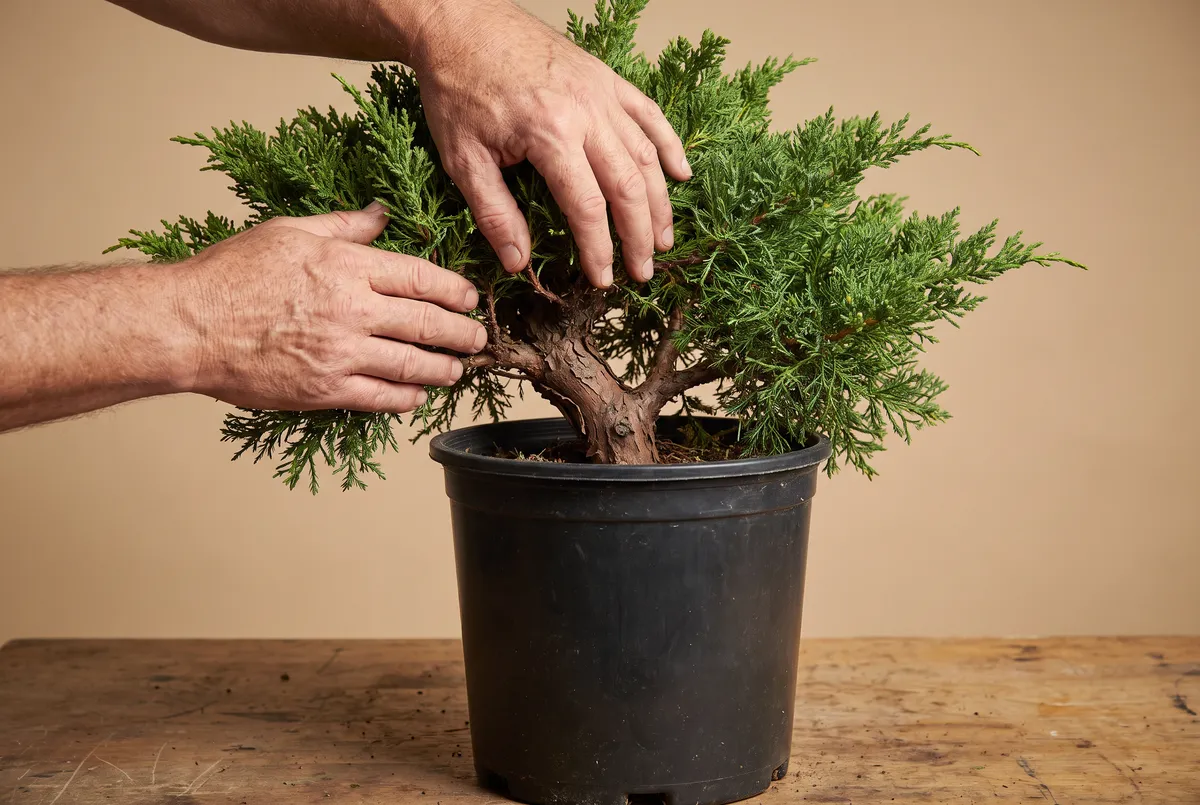
And if you're choosing fresh, do yourself a favor and start with a species that wants to be a bonsai. You'll learn faster and enjoy it more with a forgiving beginner tree than with a stubborn experiment. Save the avocado pit for later — it'll still be a fun science project once you know what you're doing.
Species mentioned here
More on “Can you bonsai any tree?”
Keep reading