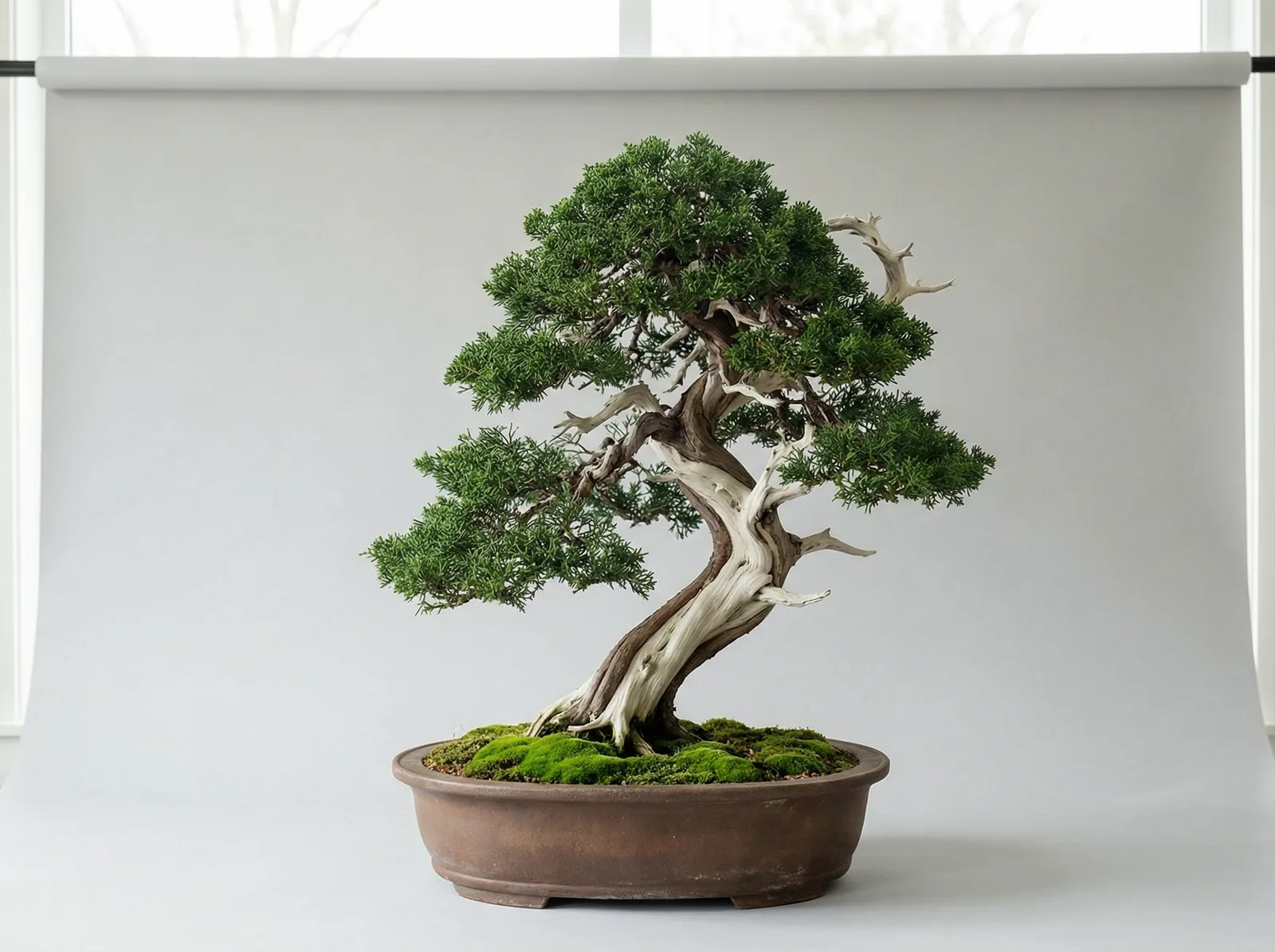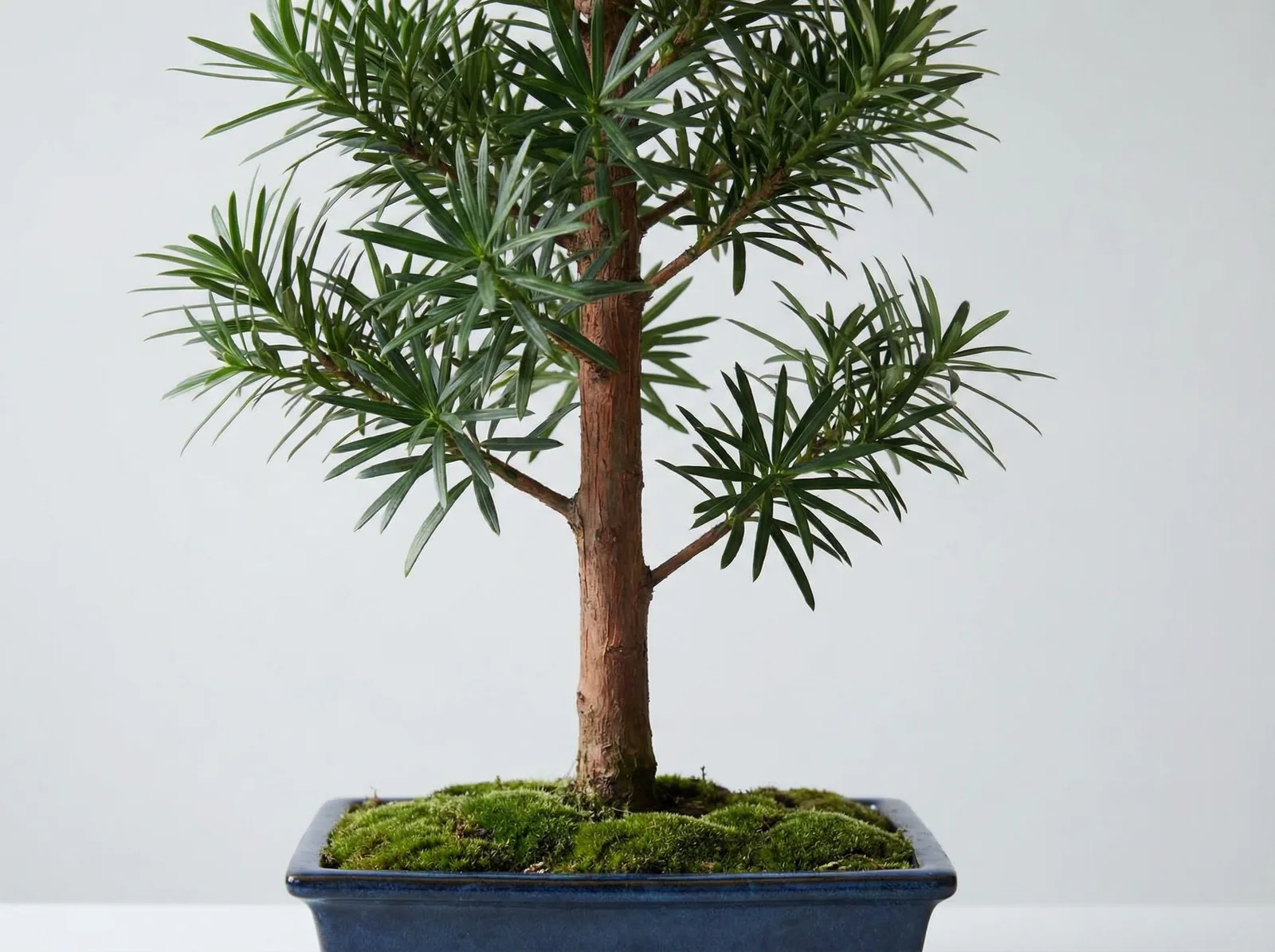
Chamaecyparis obtusa 'Nana'outdoor
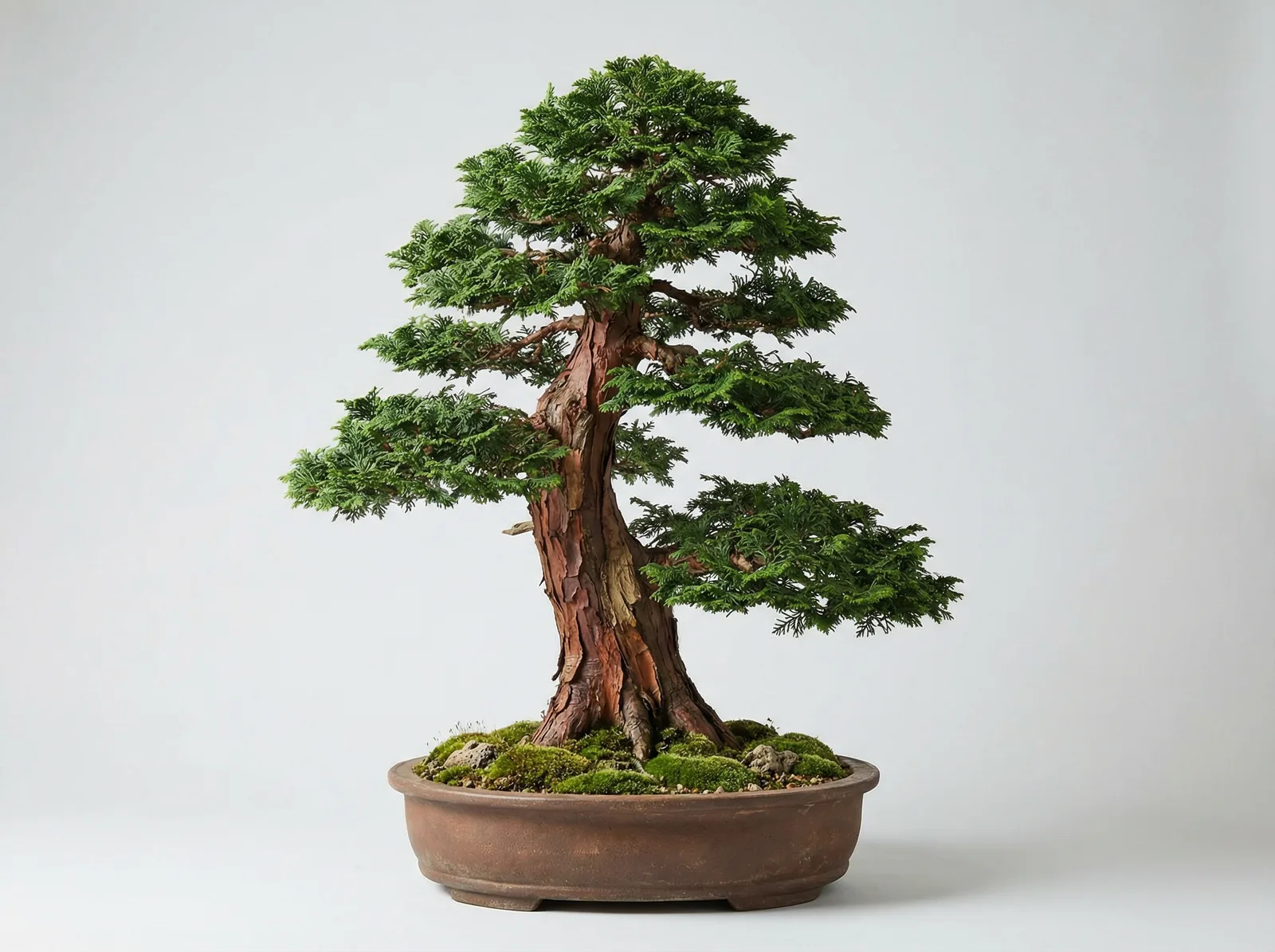
Hinoki Cypress Bonsai
- care
- intermediate
- light
- full sun+
- zone
- 5–8
Pinus thunbergii · Pinaceae
Why grow it
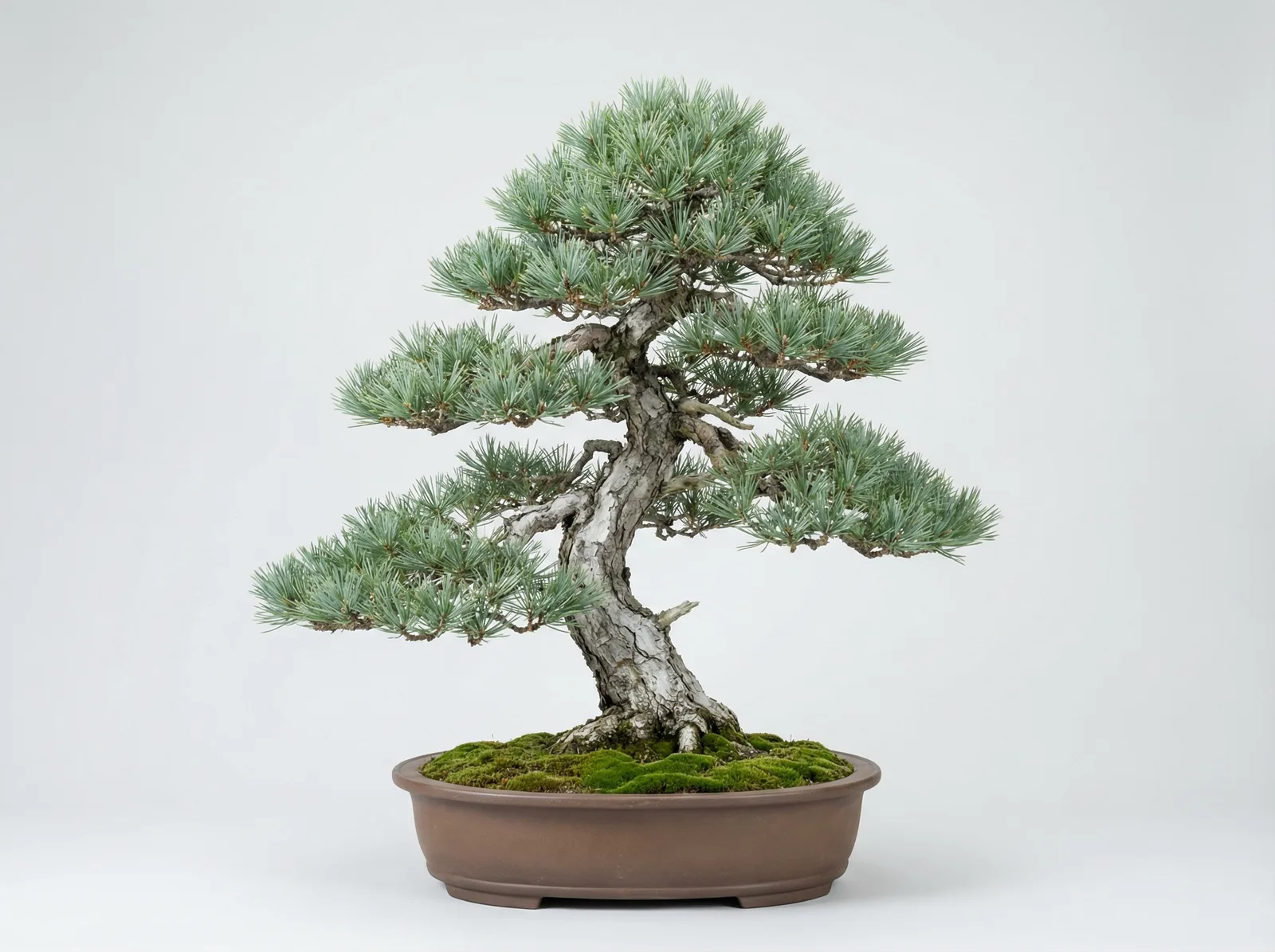
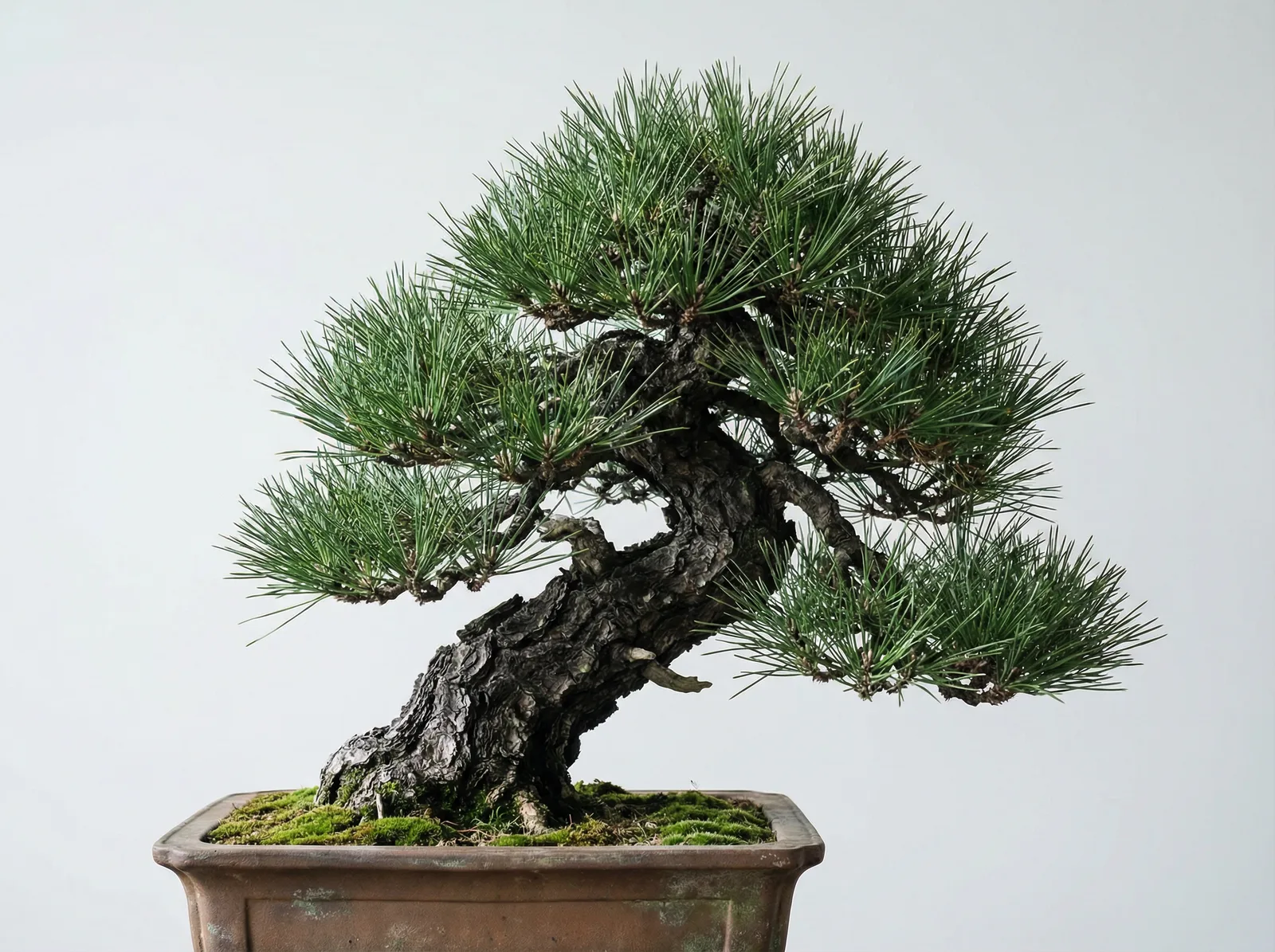
Japanese black pine is the king of bonsai. Not a king -- the king. Pinus thunbergii is the most respected, most exhibited, and most technically demanding species in the art. The thick fissured bark, dramatic trunk movement, and dense needle pads of a mature specimen represent decades of skilled, deliberate technique. There are no shortcuts.
The core technique is called decandling. Every spring, you remove the new growth candles to force a second flush of shorter needles. The timing, method, and follow-up take years to learn and a lifetime to master. Get it right and you build compact growth that looks like a miniature cliff-side giant.
Black pines are outdoor trees. Period. They need full sun, seasonal temperature changes, and lean fast-draining soil. They thrive on what might feel like neglect -- they don't want to be coddled. But that annual cycle of candle work, needle pulling, and strategic fertilizing demands consistent attention from March through November.
The routine
Full sun is non-negotiable. Black pines in anything less than six hours of direct sun develop long, floppy needles and weak internodes. If your only option is partial shade, choose a different species. This isn't a suggestion.
Watering strategy directly affects needle length -- this is the part most people miss. Withholding water slightly in late spring while candles extend produces shorter needles. Don't let the tree wilt, but keep it on the dry side. After decandling, resume normal watering. Use a well-draining mix of 80% pumice and lava rock with 20% akadama so you have control over moisture.
Black Pine looking rough right now?Skip to common problems below, or start with the symptom guide.Fertilizing follows the decandling calendar. Heavy feeding in spring builds energy reserves. Stop three weeks before you decandle. Resume three weeks after the new buds push. Fall feeding with low-nitrogen organic cakes -- rapeseed or fish meal placed on the soil surface -- builds reserves for winter. This schedule isn't arbitrary. It works.
Mycorrhizae are critical. Healthy black pines have visible white fungal threads in the soil. Preserve them during repotting by keeping some old soil. No mycorrhizae? Inoculate with pine-specific mycorrhizal powder at repotting time.
Shaping
Decandling is the technique that defines black pine bonsai. In mid-June -- adjust a week or two for your climate -- cut all new candles back to a flat surface where old needles begin. Use sharp scissors. The tree pushes two to six new buds at each cut point, producing shorter needles and denser growth.
Candle strength management is where the real skill lives. Work weak-to-strong: decandle the weak areas first -- usually the lower and interior branches -- then come back for the strong candles at the top a week or two later. The later a zone is cut, the less time it has to regrow, so the vigorous areas push back weaker and the tree evens out. Stub length follows the same logic: cut weak candles close to the base and leave longer stubs on strong ones -- the longer stub weakens the response where the tree is pushing too hard.
Needle pulling happens in fall after the second flush hardens. Reduce each tuft to six to ten pairs. Pull old interior needles first, then thin the tips. This opens the interior to light and encourages back-budding where you need it.
Structural pruning happens in late fall or winter when sap flow slows. Black pines bleed heavily, so seal large cuts with cut paste. Use a sharp saw for anything over a quarter-inch diameter. Never remove more than a third of the foliage in one year.
Black pine styling is pad-building, and pads are earned, not bent into place. Each dense cloud of foliage at a branch tip is the product of years of decandling and needle-pulling -- you can wire a branch into position in an afternoon, but the layered silhouette that makes this species king takes a decade of consistent technique. Formal and informal upright suit it best: visible taper, fissured bark, lower branches longest, a clean triangular outline.
Wire in late fall through early spring during dormancy. Black pine branches are stiff -- this is copper-wire territory, not aluminum, and primary branches need serious gauge (/tools/wire-gauge for sizing). Wrap at 45 degrees, make bends gradually, and leave wire on 12-18 months, because pine branches set slowly. Check monthly for bite and remove before it scars.
Deadwood features work beautifully here. The resinous wood resists decay and bleaches white with lime sulfur treatment. Create jin from removed branches using jin pliers. Strip bark for shari on trunk sections using a wood gouge. These features add decades of visual age instantly.
When things go wrong
Long needles are the most common frustration, and the fix is always environmental -- not technical. Too much water during candle extension, too much nitrogen, not enough sun. Adjust culture first. Decandling on a tree with underlying cultural problems makes things worse.
Needle cast fungus turns needles brown from the base outward, worse in humid climates with poor airflow. Remove affected needles, thin foliage pads for circulation, and spray with copper fungicide in spring. This is preventable with good air movement.
Scale on pines usually shows as white flecks glued to the needles (pine needle scale) or small brown bumps on twigs, and it weakens the tree slowly rather than dramatically. Wipe light infestations off by hand; for sprays, timing against the crawler stage matters more than the product -- /guides/pest-control covers it.
Root rot is rare in properly drained soil but deadly when it strikes. Yellowing needles and declining vigor despite good care -- check the roots. Brown and mushy means immediate action: remove affected areas, treat with fungicide, repot in pure pumice. And remember that pines, like junipers, fail in slow motion -- needles can hold color for weeks on wood that's already dead. Scratch a suspect twig: green-white and moist under the bark means live; dry tan means that branch is gone.
Bonsai nurseries are the only reliable source for developed black pine material. Expect $100-500 for pre-bonsai with bark texture and basic branch structure. Evergreen Gardenworks -- a longtime pine specialist -- is a reliable source for quality stock. Don't buy cheap -- with black pine, you get exactly what you pay for.
Seedlings and young stock run $10-30 but require 10-15 years of dedicated development before they resemble bonsai. Growing from seed teaches you the species inside and out. Nursery landscape stock at $30-60 offers a middle ground with some trunk character already established. But be realistic about the timeline either way.
Some links may become affiliate links; our picks don't change.
Also on the bench