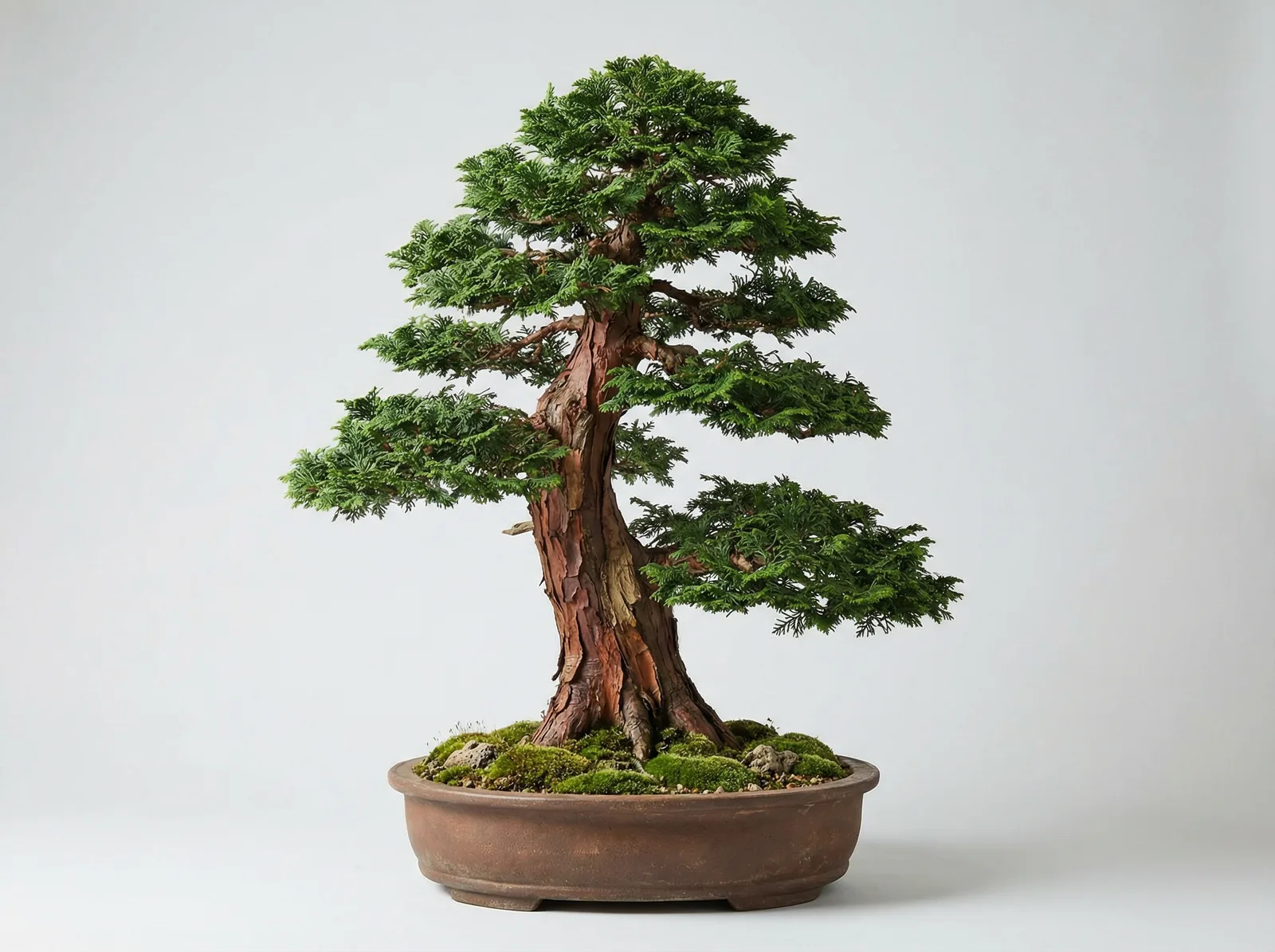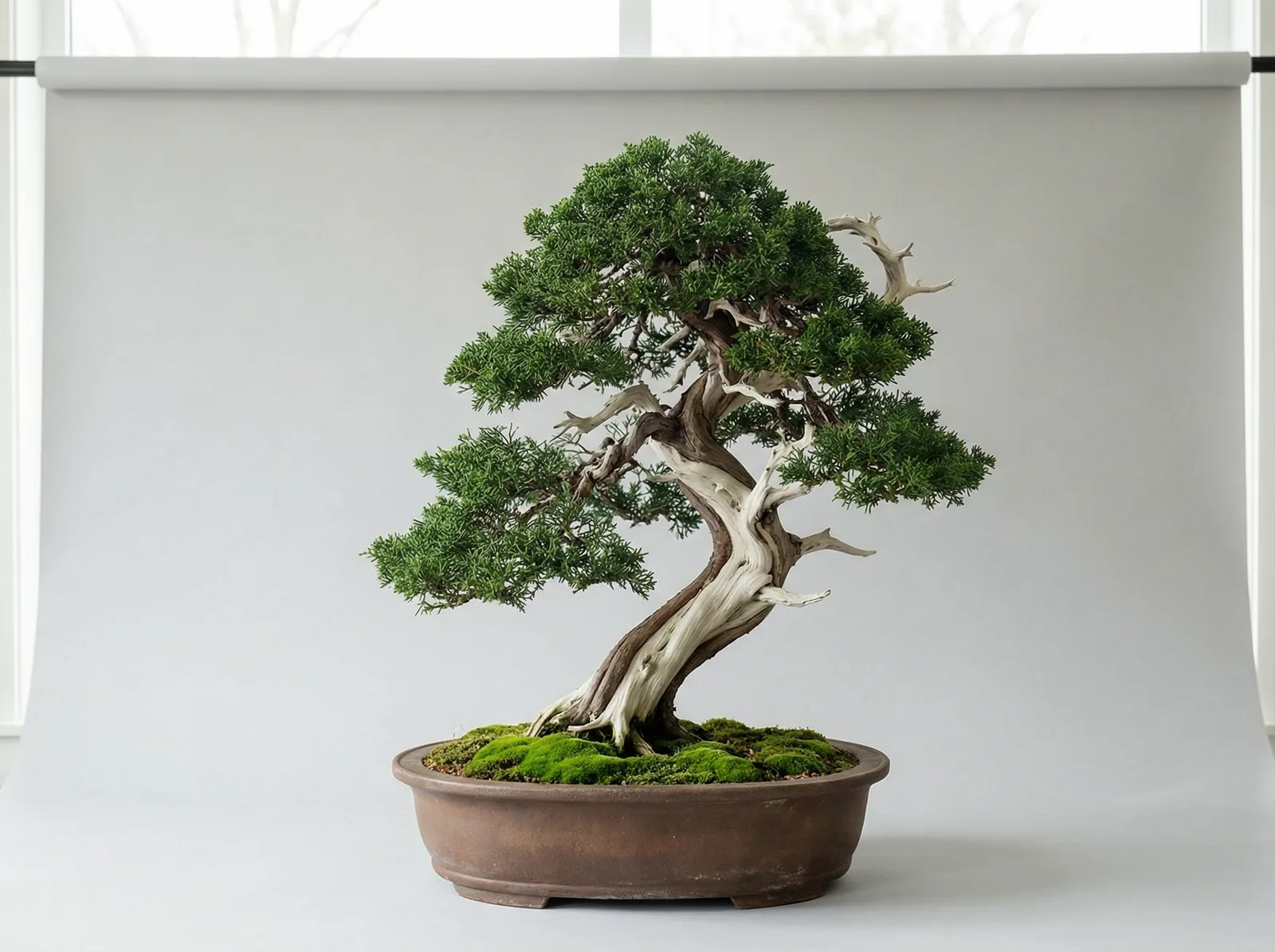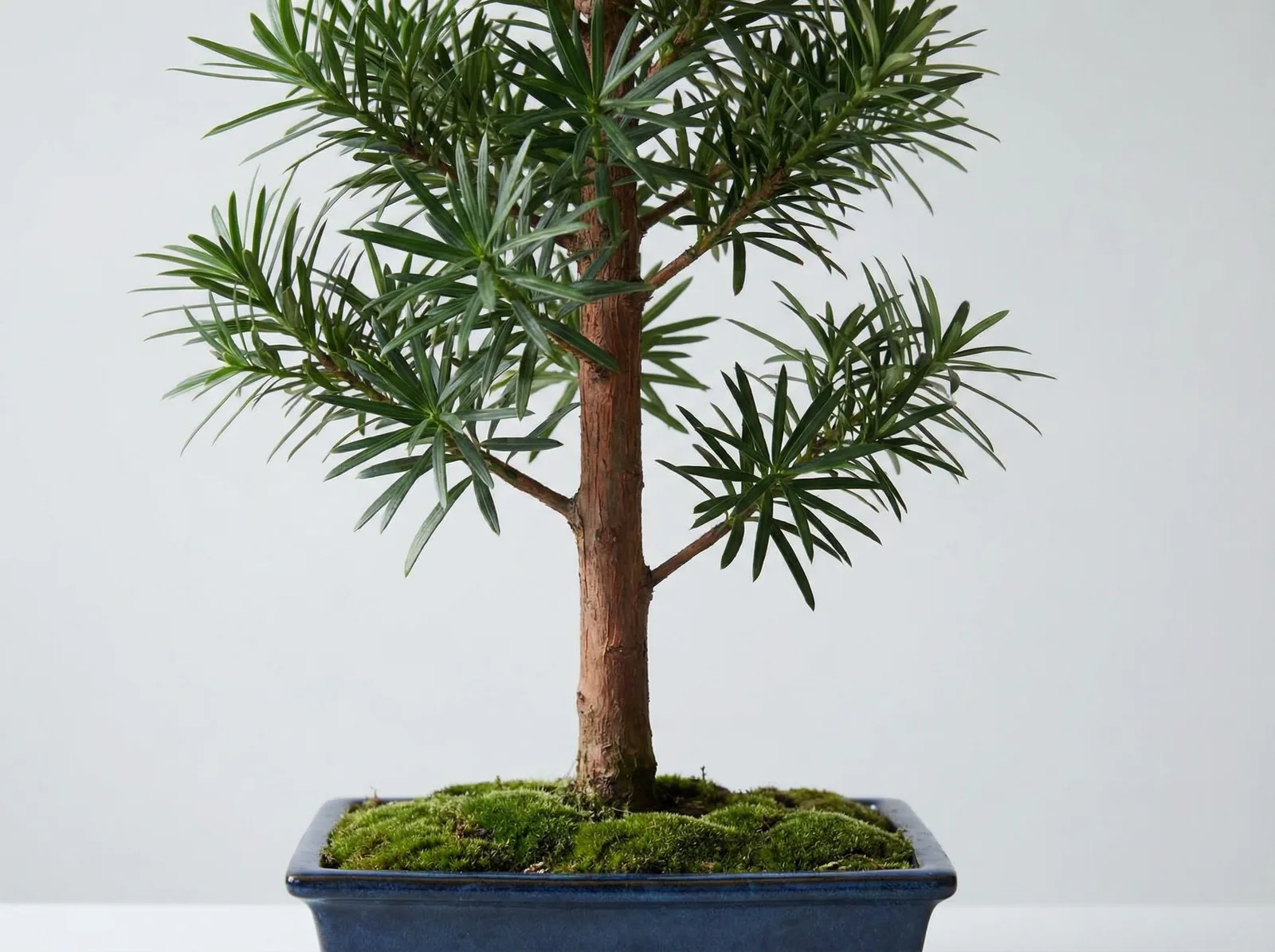
Pinus thunbergiioutdoor
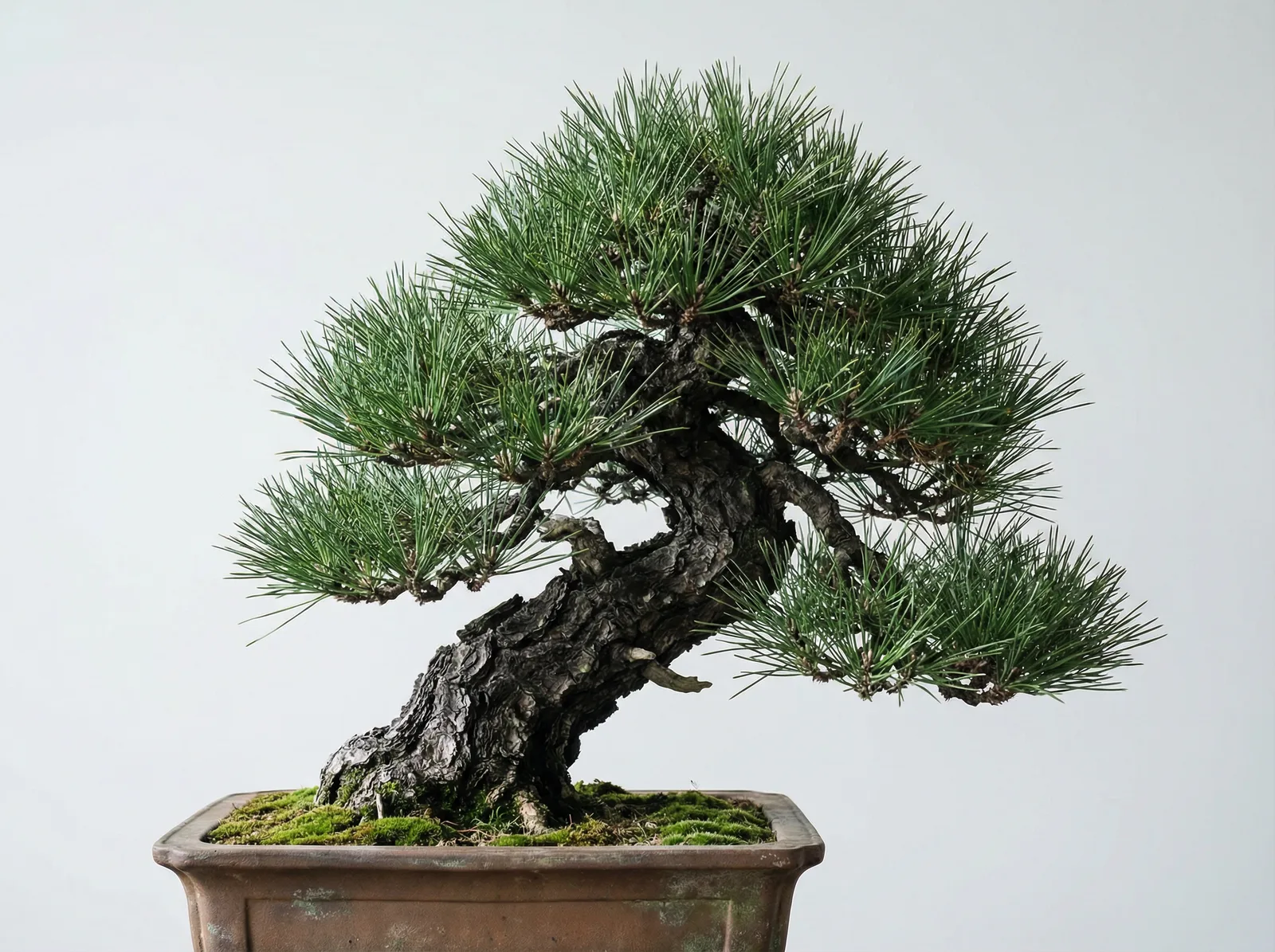
Black Pine Bonsai
- care
- advanced
- light
- full sun
- zone
- 5–9
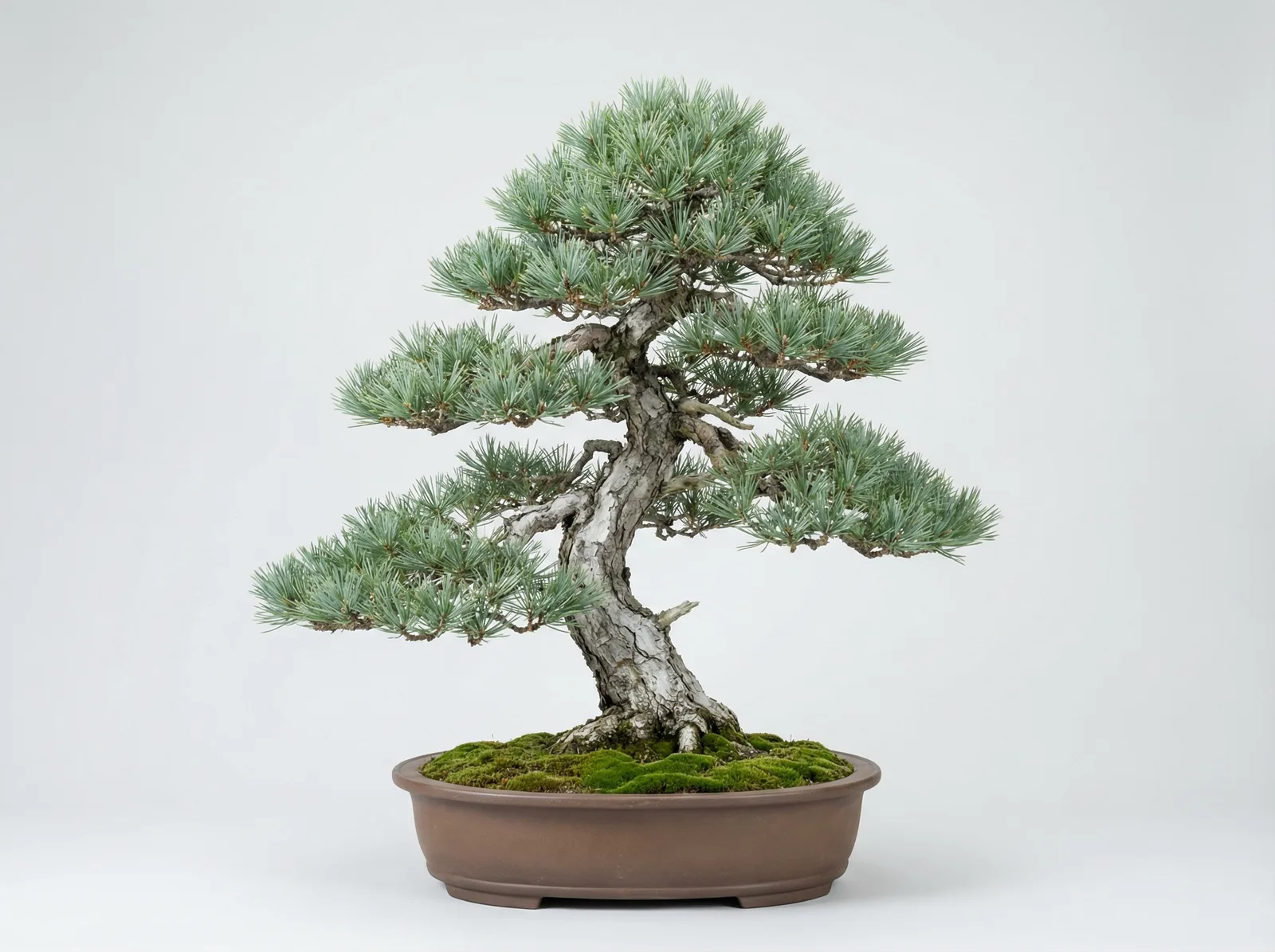
Pinus parviflora · Pinaceae
Why grow it
Japanese white pine is the elegant counterpart to black pine's rugged power. Where Pinus thunbergii is bold and muscular, Pinus parviflora is soft and graceful. The blue-green needles grow in bundles of five, creating a lighter, more ethereal canopy that works beautifully even at smaller sizes. If black pine is a samurai, white pine is a poet.
Most white pines sold for bonsai are grafted onto black pine rootstock for vigor. You'll notice the graft union near the base. A well-healed graft is perfectly fine -- but a visible, bulging graft line is tough to disguise in a finished composition. Something to look for when buying.
This is a patient person's tree. White pines grow slowly and respond to techniques on their own unhurried timeline. Where black pine shows decandling results in one season, white pine refinement unfolds over years. The reward? A tree with almost otherworldly serenity. Soft foliage, gentle curves, the kind of quiet beauty that wins exhibitions.
The routine
White pines want less of everything compared to black pines. Less water, less fertilizer, less root disturbance. They're not weak -- just slower and more sensitive to excess. Overdo anything and they let you know, usually by producing long loose needles or declining over the following season.
Overwatering is the number one killer. Fine roots rot quickly in soggy conditions. By the time needles yellow, the damage is already severe. Use a very fast-draining mix -- 80% pumice with 20% akadama is a common recipe -- and let it approach dryness between waterings. In summer, every two to three days. In winter, barely at all.
White Pine looking rough right now?Skip to common problems below, or start with the symptom guide.Winter protection focuses on the pot, not the tree. White pines handle extreme cold without flinching. But roots in a shallow bonsai pot freeze solid. Bury the pot in mulch or move to an unheated shed during deep freezes. The tree itself is fine to -20°F and beyond.
Watch for graft rejection on grafted trees. If foliage above the graft starts looking different from growth below, the rootstock may be taking over. Remove any growth from below the graft line immediately.
Shaping
White pines don't get decandled. Instead, you manage growth by pinching candles in spring. As candles extend in April through May, snap off the strongest ones between your fingers. Leave two or three weaker candles per cluster. This maintains compactness without the stress of decandling.
Needle pulling happens in fall after growth hardens. Reduce each bundle to three to five pairs. Thin the top and outer portions of foliage pads while leaving the interior and lower branches fuller. This pushes energy downward.
Structural pruning in late fall when sap flow drops. Seal every large cut with cut paste -- white pine sap is sticky and runs freely. Avoid cutting anything over a half-inch diameter during the growing season when sap is flowing heavily.
Branch selection should favor horizontal and slightly drooping growth. White pines look best with relaxed, layered structure rather than the aggressive triangular form you'd build on a black pine.
The hardest habit to break on white pine is styling it like a black pine. Dense, muscular pads flatten everything that makes this species worth growing. White pine pads should be airy and layered -- you want to see branch structure through the foliage. That see-through quality is what defines the best white pine bonsai and gives them their ethereal character.
Informal upright and literati suit the species best. Soft foliage and gentle trunk movement read as a mountain tree shaped by wind and centuries. Formal upright works technically but feels stiff on something this graceful.
Wire from late fall through early spring, and plan on leaving it a full year -- white pine branches set slowly, so check monthly for bite. Branches are more flexible than black pine, and aluminum handles nearly every bend on this species; match gauge to branch with the wire calculator at /tools/wire-gauge.
When things go wrong
Root rot from overwatering tops the list. Yellowing needles and weakness despite good light and feeding usually point to root problems. Check the roots -- healthy ones are white with visible mycorrhizal threads. Brown and mushy roots need aggressive treatment: cut away damage, treat with fungicide, repot in pure pumice. Before pruning off any branch that looks gone, scratch a sliver of bark with your thumbnail: green underneath means live wood -- pines fade slowly, and a branch can look sick for months while the cambium is still alive. Tan and dry means it's done.
Needle cast fungus causes needles to brown and drop, especially in humid climates. Improve air circulation around the tree and treat with copper fungicide. Preventive spraying in early spring reduces the risk significantly.
Adelgids -- those white woolly insects along the needles -- are a common headache on white pines. They look like tiny cotton dots. Spray with horticultural oil in late winter and again in early summer. Don't ignore them; heavy infestations weaken the tree over several seasons.
Graft incompatibility shows as swelling at the graft union or sudden decline in the grafted portion. There's no fix. This is why some growers prefer own-root trees despite the slower development.
Quality white pine bonsai material is expensive. That's the reality. Developed trees with well-healed grafts and refined branching run $200-1000+ from specialty vendors. Look for trees where the graft union is inconspicuous -- a visible graft on a white pine is hard to work around.
Seedlings are cheap at $5-15 but take 15-20 years to develop. Grafted garden stock from nurseries at $40-80 offers a faster path. Look for 'Glauca' and 'Glauca Brevifolia' cultivars with naturally short needles. Air-layering above the graft gives you a tree on its own roots, which is worth doing if you have the patience.
Also on the bench