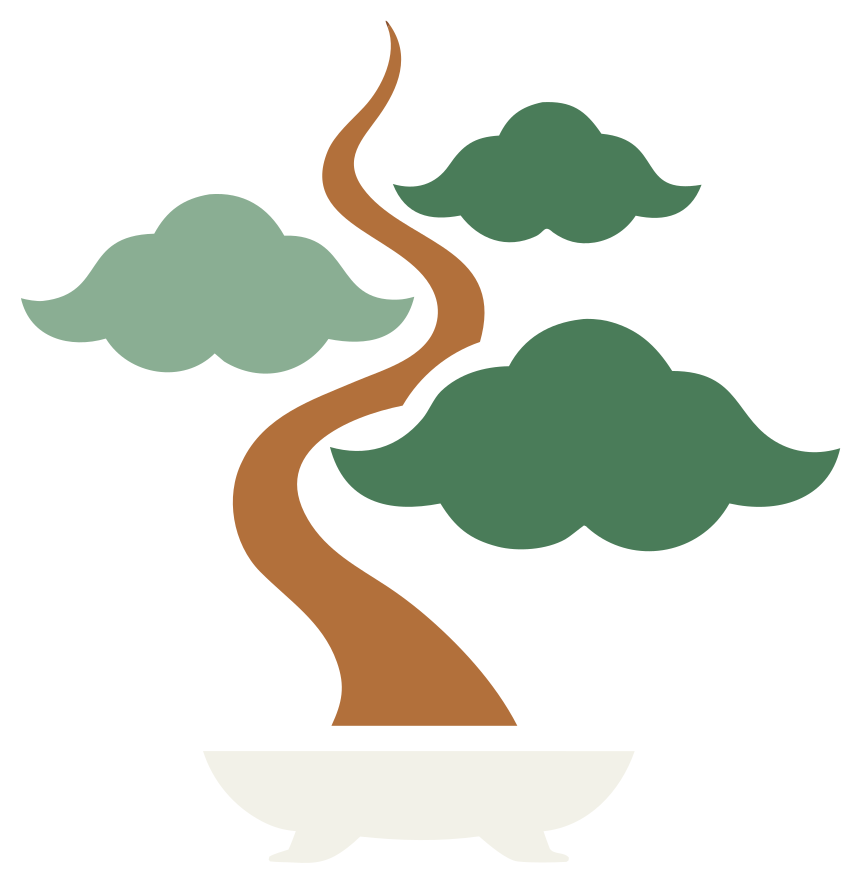
Kengai
Cascade bonsai are pure drama. The trunk — or a major branch — plunges below the bottom of the pot, mimicking a tree growing on a cliff face where gravity, snow load, and rockfall have pulled it downward over centuries. Of all the classic styles, cascade makes the boldest visual statement.
In nature, these trees form when a seed germinates on a cliff ledge. The weight of accumulating snow, tumbling rocks, and simple gravity drags the trunk down while the tree stubbornly keeps reaching for light. The result is a trunk that falls, curves, and sometimes turns back upward as branches fight their way toward the sun.
Fair warning: cascade is one of the more demanding styles to create and maintain. The tree naturally wants to grow upward — you're working against its fundamental instinct. It requires a tall pot, careful weight distribution, and ongoing attention to prevent the cascade portion from weakening as the tree redirects energy upward. But a mature cascade bonsai on a tall display stand is one of the most arresting things in this entire art form.
The anatomy
What makes a cascade read as one — judge any tree against these rules.
How to build it
Start with flexible species that tolerate heavy bending. Young junipers are the classic choice — their wood stays pliable longer than most conifers. Shimpaku juniper is particularly well-suited. Avoid species with brittle wood (most maples, for instance); you'll snap the trunk before you achieve the bend you need.
Wire the trunk with heavy gauge — 3-4mm annealed copper wire for thick trunks, or doubled-up aluminum. Before making the main bend, wrap the bend point with wet raffia or damp sphagnum moss held in place with soft twine. This protects the bark from cracking under stress. Bend the trunk over the pot edge gradually. Some growers complete the initial bend in one session; others work in stages across two or three growing seasons to reduce the risk of breaking the trunk. Patience here prevents disasters.
Maintain a small crown or jin above the pot rim as a visual anchor. Without this upward counterpoint, the tree reads as "fallen over" rather than "cascading." Wire branches along the descending trunk to create distinct foliage pads that follow the cascade's path downward. Each pad should be slightly angled upward — reaching for light — which sells the realism.
Ongoing maintenance is the real test of commitment. The tree will constantly push the strongest growth upward on the cascade, trying to right itself. Pinch back upward-shooting growth regularly and redirect energy into the horizontal pads and the cascade's lowest tip. If the tip weakens and the upper portions strengthen, the design gradually falls apart. Keep the lowest point vigorous by allowing it slightly more growth before pruning back.
Best species for Cascade
The classic cascade species. Flexible wood, durable foliage, and the ability to form dramatic deadwood on the cascade.
Elegant needle clusters cascade beautifully, and the trunk develops character bark with age.
Naturally trailing growth habit with tiny leaves and berries that add seasonal color to the cascade.
The hanging flower clusters on a cascade form are breathtaking -- one of the most stunning display combinations in bonsai.
Flexible branches and spring flowers create a dramatic cascade. Satsuki varieties are especially suited to heavy bending.
Holds dramatic bends well and the layered branching creates excellent foliage pads along the cascade line.
Spring flowers, orange-red berries, and naturally angular branching that reads like a tree clinging to a cliff when trained down over the pot.