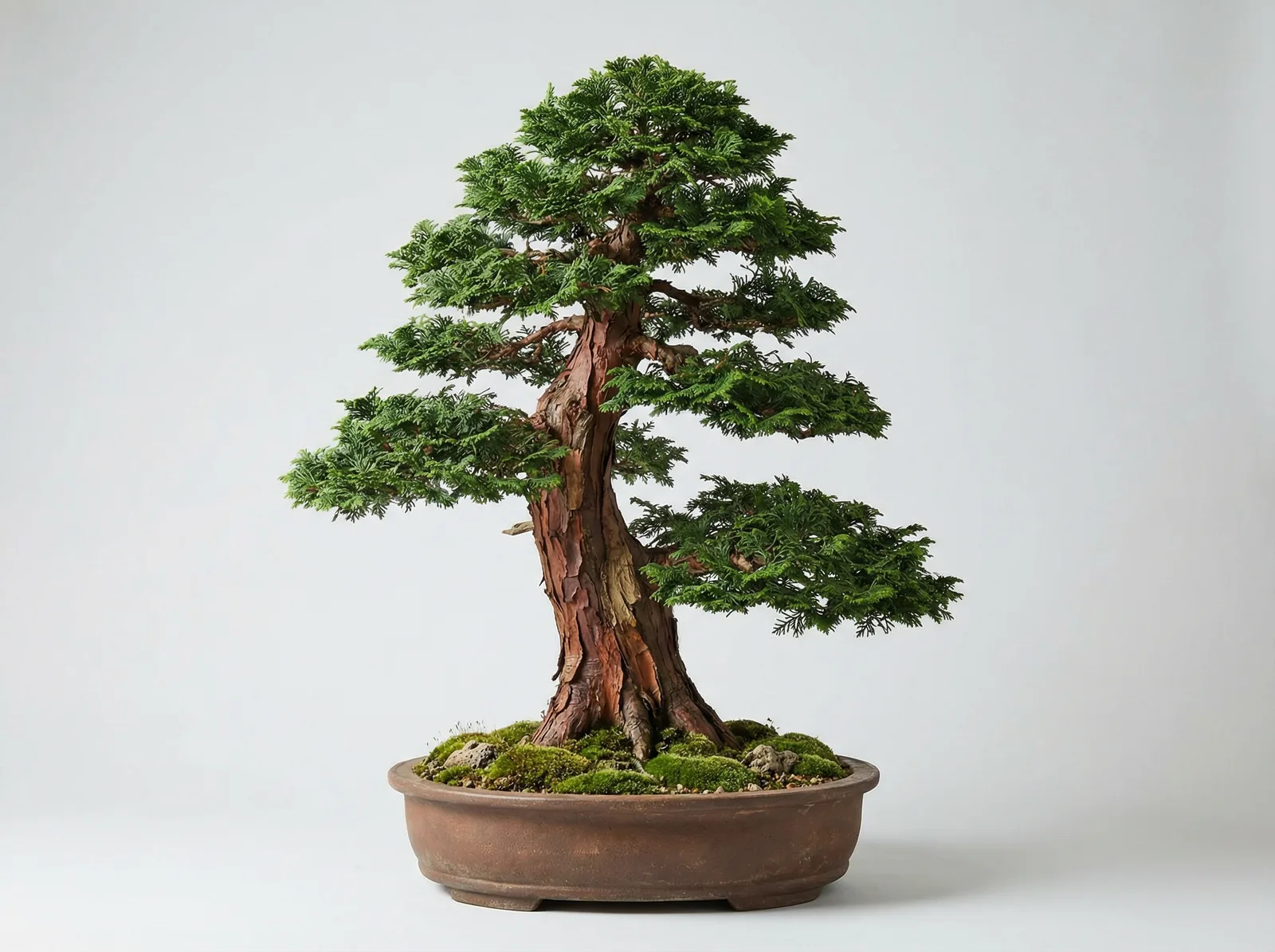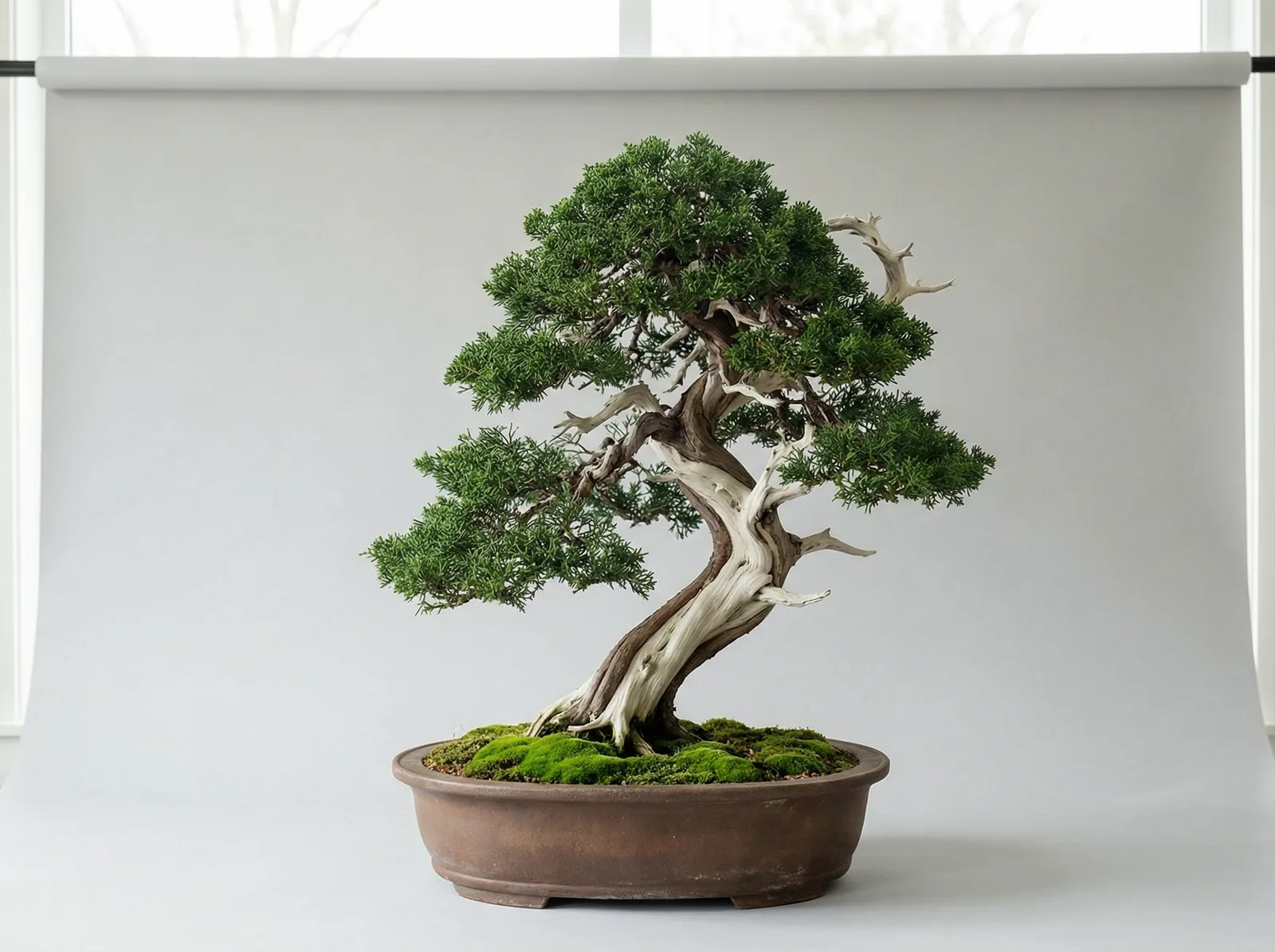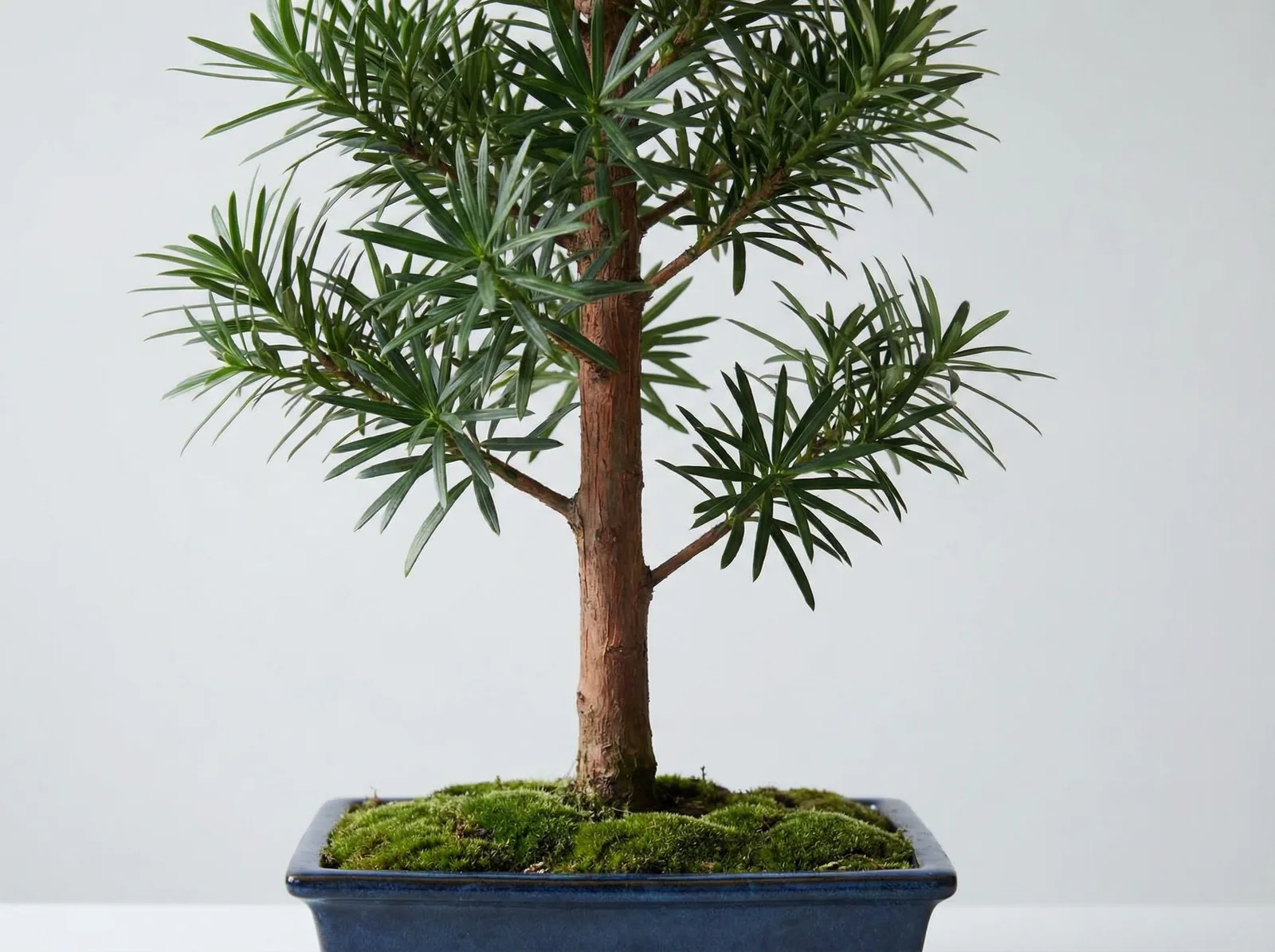
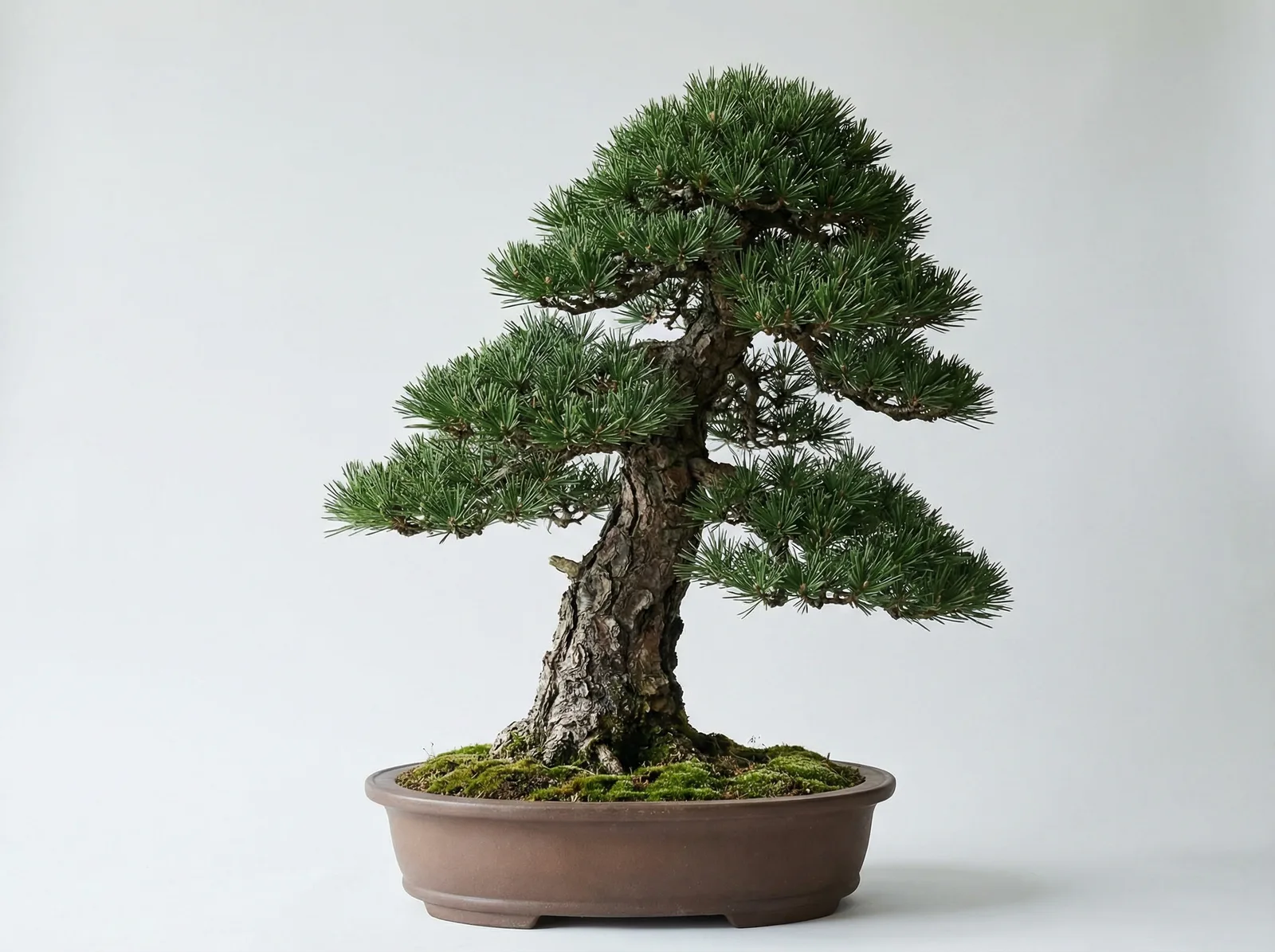
Pinus thunbergiioutdoor
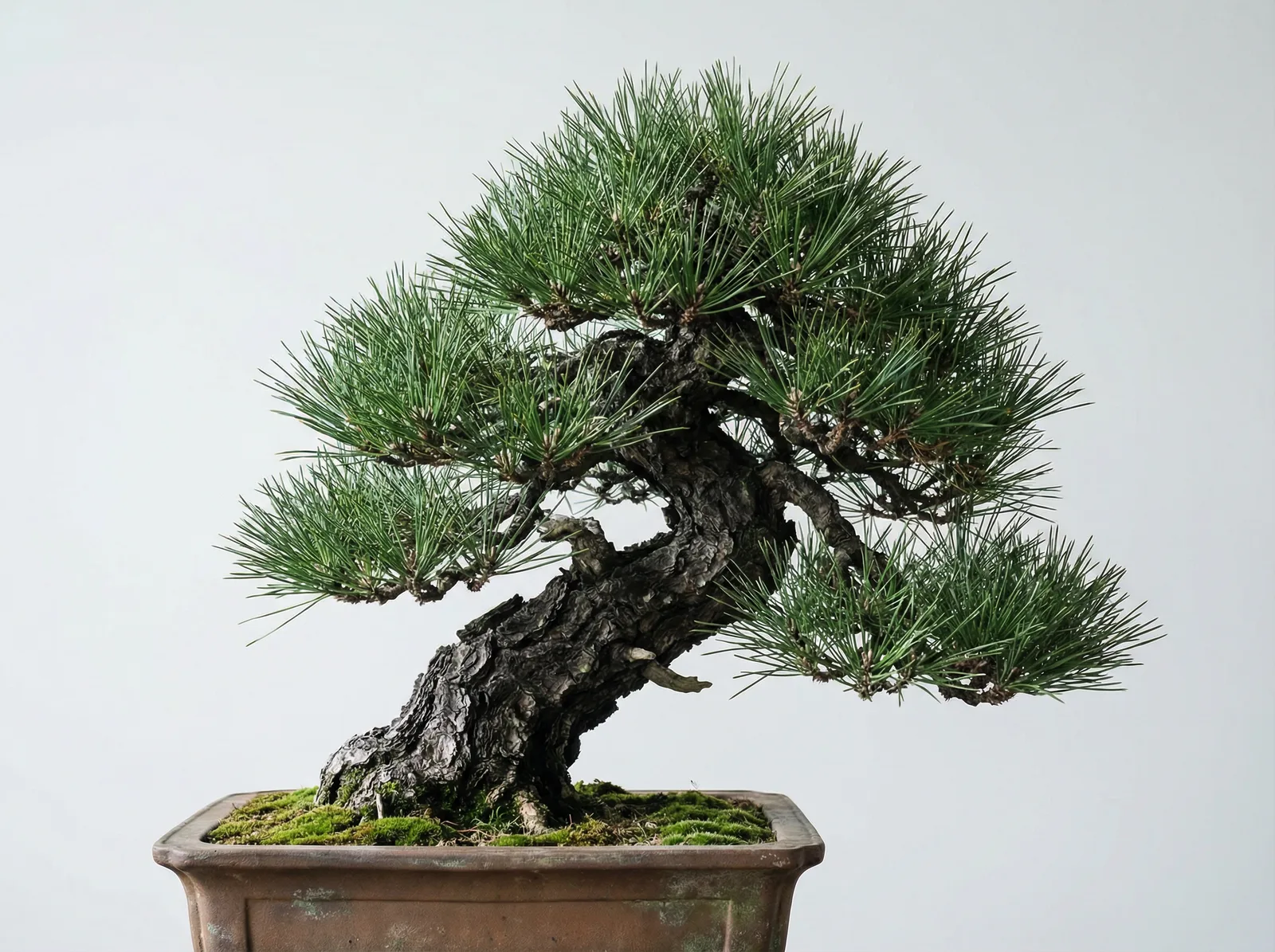
Black Pine Bonsai
- care
- advanced
- light
- full sun
- zone
- 5–9
Cedrus deodara · Pinaceae
Why grow it
Deodar cedar bonsai carry the weight of the Himalayas in miniature. Cedrus deodara has drooping branch tips, soft blue-green needles arranged in rosettes, and a graceful silhouette that's distinctly different from juniper or pine. Where juniper looks wild and pine looks stoic, cedar looks elegant. There's a calmness to a well-developed cedar bonsai.
Each needle cluster contains 20-30 individual needles arranged in a whorl, creating a texture that's softer and more approachable than the sharp individual needles of pine or spruce. It's a look that photographs beautifully and catches light in interesting ways.
Cedars aren't as commonly grown as bonsai as juniper or pine, which is exactly why they stand out at shows and in collections. The trunk develops character slowly and the branch structure refines over years. Patience required. But the end result is a tree with a dignity that few species match.
The routine
The trickiest thing about cedar bonsai is watering. They need moisture at the roots but hate sitting wet. Check the soil daily, water when the top feels dry to the touch, and make sure water drains through the pot quickly. If water pools on the surface for more than a few seconds, your soil mix is too dense. Swap it out.
Here's what makes cedar watering tricky: the needles won't show drought stress until the damage is already serious. Don't wait for yellow needles to tell you something's wrong. Check the soil. Trust your finger, not your eyes.
Cedar looking rough right now?Skip to common problems below, or start with the symptom guide.Full sun. No shortcuts. Cedars in partial shade develop thin, sparse canopies with stretched internodes. In full sun, needle rosettes stay tight, dense, and compact. Six or more hours of direct light daily.
Cedars form mycorrhizal partnerships -- beneficial fungi that live on and around the roots. Use well-composted organic matter in your soil mix to encourage these fungi. And whatever you do, don't sterilize your soil with boiling water or bleach before potting. You'll kill the very organisms the tree depends on.
Winter care? Insulate the pot in zones 7-8 to buffer freeze-thaw cycles. Beyond that, cedars hold their blue-green foliage through winter while everything deciduous goes bare. Gorgeous.
Shaping
Pinch new candles in spring before they extend fully. Twist them off by hand -- don't use scissors. You want a natural break, not a clean cut that leaves a visible stub. Pinching keeps internodes short and pushes back-budding along the branch.
Late summer is thinning time. Go through the needle rosettes on each branch and pull off old, elongated needles from the undersides and interiors. This directs energy toward the outer growth and prevents the interior from going bare and dying back.
Structural pruning happens in late winter or early spring. Remove crossing branches, anything growing straight down, and branches that clutter your design. Critical rule: cedars don't back-bud reliably from bare old wood. If you strip all foliage from a branch, consider that branch dead. Always leave green.
Large wounds heal slowly on cedar. Much slower than maple or elm. Use cut paste on any cut wider than a pencil. Plan heavy pruning carefully because gaps take years to fill.
The fastest way to ruin a cedar bonsai is wiring the branch tips upward. The gentle droop at the end of every branch is the species -- it's what separates Cedrus from stiffer conifers and gives the tree its flowing, elegant presence. Set each branch's main line wherever the design needs it, then let the last few inches fall.
Formal upright is the natural silhouette: straight trunk, tiered branches, conical outline, mirroring how deodars grow on open Himalayan slopes. Develop distinct foliage pads with visible trunk between tiers -- clear separation between layers is what makes the style work.
Literati works surprisingly well too. A tall, slim trunk with sparse foliage near the apex captures a deodar clinging to a ridge. Strip the lower branches, keep the top canopy, and let the trunk movement tell the story.
Wire during the growing season with dampened raffia under every coil -- cedar bark is thin and marks easily. Branches set in four to six months; check monthly. Match wire to branch at /tools/wire-gauge.
When things go wrong
Root rot is the number one killer. Period. Cedars in heavy, water-retentive soil slowly suffocate and rot at the roots. If the tree is yellowing overall and the soil smells sour, you're already in trouble. Pull it out, cut away any brown, mushy roots, repot in fast-draining 60/20/20 pumice/lava rock/akadama, and reduce your watering frequency.
Some needle drop in fall is completely normal -- cedars shed older interior needles annually. But if the drop is heavy or affecting new growth, something's wrong. Check your watering and drainage. Sudden heavy needle loss almost always points to root trouble. And before removing any branch that's browned, thumbnail-scratch its bark: green underneath means live wood that may still push new rosettes; dry brown means cut back until you reach green.
Giant conifer aphids -- dark, long-legged insects the size of a match head -- cluster along cedar branches in spring and summer. The giveaway is sticky honeydew on the needles below, which then grows black sooty mold. A hard water spray clears light infestations; the pest control guide (/guides/pest-control) has the full treatment ladder for anything worse.
Scale insects show up occasionally as small brown or white bumps along stems -- not common on cedar, but persistent once established, so catch them early. Treatment steps are in the pest control guide.
Garden centers carry Cedrus deodara in 1-5 gallon containers for $20-60. Look for compact specimens with low branching and some trunk movement. Avoid trees that have been pruned into symmetrical Christmas tree shapes -- those have had all the interesting low branches removed. You want character, not conformity.
Online bonsai vendors stock cedar pre-bonsai sporadically for $60-200. The species isn't as commonly offered as juniper or pine, so check Evergreen Gardenworks and specialty conifer nurseries. Honestly, landscape nursery stock is often your best bet for finding thick-trunked material at reasonable prices. A $40 nursery cedar beats a $150 pre-bonsai with a skinny trunk.
Some links may become affiliate links; our picks don't change.
Also on the bench