
Bonsai Gift Guide (2026)
Our stance
Buy for the room the tree will live in, not for the person's taste.
Short answer
Buy the tree that fits the recipient's light, not the one that photographs best. A ficus or dwarf jade suits almost any apartment; a juniper only suits someone with a balcony or a yard. Spend $35 to $75 on a live tree, and never give a seed kit — that's a five-year homework assignment in a box.
A bonsai is a good present and a slightly dangerous one. It's alive, it has opinions about light, and it arrives with the implication that the recipient now has a responsibility. Get the species right and it's the gift people still have a decade later. Get it wrong and it's a dead juniper on a bookshelf by March.
So this page is organised by the person and their room rather than by product. Answer one question before you shop — where will this tree actually sit? — and the choice narrows to two or three trees.
If you want a ranked species shortlist instead of a shopping list, the best bonsai for gifts page does that job. If the person has already been given a tree and is looking at it nervously, send them to got a bonsai as a gift instead.
Our picks at a glance
| # | Pick | What for | Typical price |
|---|---|---|---|
| 1 | For a dark apartment: ficus | Indoor, low light tolerance | $30–70 |
| 2 | For a desk and a forgetful waterer: dwarf jade | Indoor, drought tolerant | $25–50 |
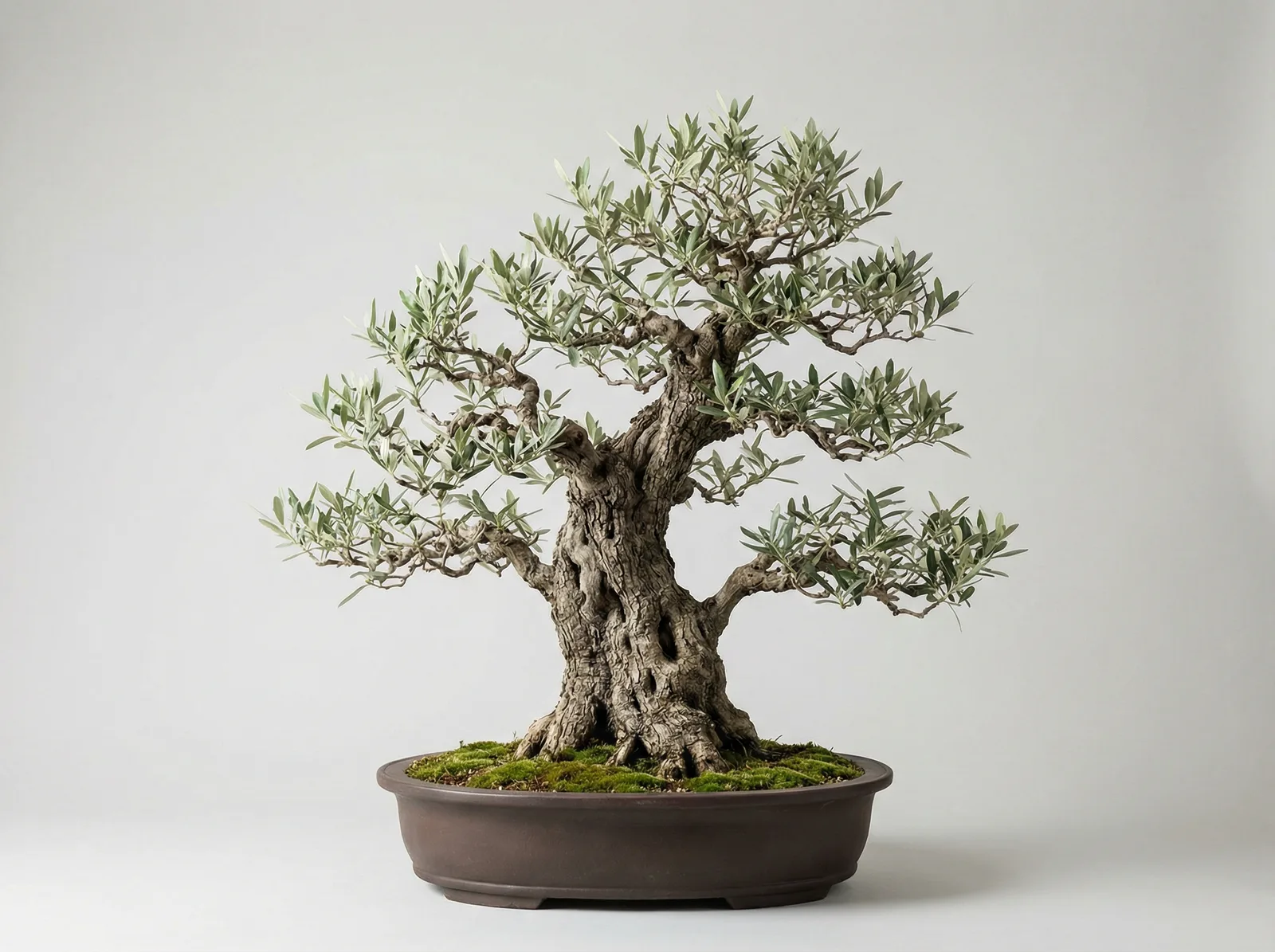
| 3 | For a sunny south window: olive | Indoor with real sun, or outdoor in mild winters | $40–95 |
| 4 | For a balcony or a yard in a cold climate: Chinese elm | Outdoor, cold hardy | $35–80 |
| 5 | For a gardener who wants the classic: juniper | Outdoor only | $30–75 |
| 6 | For someone who already has a tree: soil and shears | Upgrade gift | $40–75 |
Some links here are, or will become, affiliate links. If you buy through one we earn a commission. It doesn't change your price, and it doesn't change our picks — we'd still tell you to skip the seed kits.
Indoor, low light tolerance
For a dark apartment: ficus
$30–70typical
- What it is
- A tropical fig — usually Ficus microcarpa, sold as Ficus retusa or as a grafted ginseng ficus — that keeps its leaves year-round and never needs a cold winter.
- Why we picked it
- It's the most light-tolerant real bonsai you can give. It won't thrive in a windowless room, but it survives the north-facing city apartment that kills everything else, and it tells you when it's unhappy by dropping leaves rather than dying silently.
- Who it's wrong for
- Someone with a cold flat or a draughty window. Below about 55°F the leaves start going.
Indoor, drought tolerant
For a desk and a forgetful waterer: dwarf jade
$25–50typical
- What it is
- Portulacaria afra — a succulent with small round leaves, a thick trunk, and water stored in every part of it.
- Why we picked it
- It's the gift for the person who says "I kill everything." A skipped week is survivable, dry office air doesn't bother it, and it's small enough for a desk. It also strikes from cuttings so easily that the recipient's first pruning gives them a second tree.
- Who it's wrong for
- Homes with cats or dogs that chew plants — dwarf jade has no ASPCA listing, so it isn't confirmed safe for pets — and anyone who waters on a schedule regardless of the soil.
Indoor with real sun, or outdoor in mild winters
For a sunny south window: olive
$40–95typical
- What it is
- Olea europaea, often sold as a small-leafed cultivar, with pale grey bark and a trunk that gnarls early.
- Why we picked it
- The right answer when someone has genuinely good light and wants a tree with character rather than a green blob. Olives tolerate dry air and irregular watering, and the bark makes a young tree look old.
- Who it's wrong for
- A dim room — this is the one indoor pick that truly needs a south window. In zone 7 and colder it also needs shelter over winter.
Outdoor, cold hardy
For a balcony or a yard in a cold climate: Chinese elm
$35–80typical
- What it is
- Ulmus parvifolia, semi-deciduous, with small leaves and bark that flakes into a mottled pattern as it ages.
- Why we picked it
- The most forgiving outdoor tree to give. It handles a hard prune, recovers from a missed watering, and can be brought to a bright indoor spot for part of the winter without complaining — which makes it the safest gift for someone whose outdoor space is a fire escape.
- Who it's wrong for
- Someone expecting an evergreen. It thins in autumn and may go bare, which reads as "I killed it" to a first-time owner unless you warn them.
Outdoor only
For a gardener who wants the classic: juniper
$30–75typical
- What it is
- The tree most people picture when they hear "bonsai" — scaled evergreen foliage, wire-friendly branches, often already styled into pads.
- Why we picked it
- For someone with outdoor space and some plant sense, it's the tree they actually wanted. Junipers take styling better than anything at this price and reward a person who likes working on things.
- Who it's wrong for
- Anyone without a balcony, porch, or yard. A juniper indoors stays green for months while dying, and that delayed failure is the cruellest version of this gift.
Upgrade gift
For someone who already has a tree: soil and shears
$40–75typical
- What it is
- Two dry quarts of granular substrate and a decent pair of long-handled shears.
- Why we picked it
- Nearly every gift bonsai arrives in the wrong soil with no tool to prune it. This is the present that fixes both, and it's the one experienced-ish owners are quietly pleased by. Pair it with our soil guide so they know what to do with it.
- Who it's wrong for
- Someone who hasn't got a tree yet — on its own it's a box of dirt.
What to avoid
A seed kit, in any packaging
The recipient opens a box with no tree in it and a five-year timeline. It's the most reliable way to end someone's interest in bonsai before it starts — see our review.
A juniper for someone who lives in an apartment
Junipers need outdoor light and a cold winter. Indoors one stays green for months and then dies all at once, so the recipient spends the whole time thinking it's fine and then blames themselves.
Shipping a tree into a hard freeze
A day in a cold truck can damage roots and kill tropical foliage outright. Order ahead of a cold snap, or ask the nursery to hold — most specialist growers do this routinely, and any seller who won't is the wrong seller.
"Assorted bonsai" mystery listings
The recipient can't look up care for a tree nobody will name, and the difference between species is the difference between a windowsill and a balcony. If the listing won't say, don't buy.
A daily-watering tree for someone who travels
Shallow pots dry fast, and a week away in summer can be fatal. For frequent travellers, give jade, and skip anything in a very shallow display pot.
How we choose
Gift picks here start from one variable: light. Species care data on this site — light needs, cold requirement, drought tolerance — decides which trees can survive which rooms, and that's what the recipient categories are built from. Everything else is a tiebreak.
We haven't kept every one of these trees on every kind of windowsill, and we don't claim to have. What we're applying is the documented requirement of each species and the failure modes we see reported over and over: the indoor juniper, the overwatered jade, the deciduous tree that dropped its leaves on schedule and got thrown out.
Price bands reflect what a healthy starter-sized tree of that species typically costs across the nurseries we point to. We name outdoor-only species as outdoor-only even when an indoor gift would be an easier sell.
Species on this page
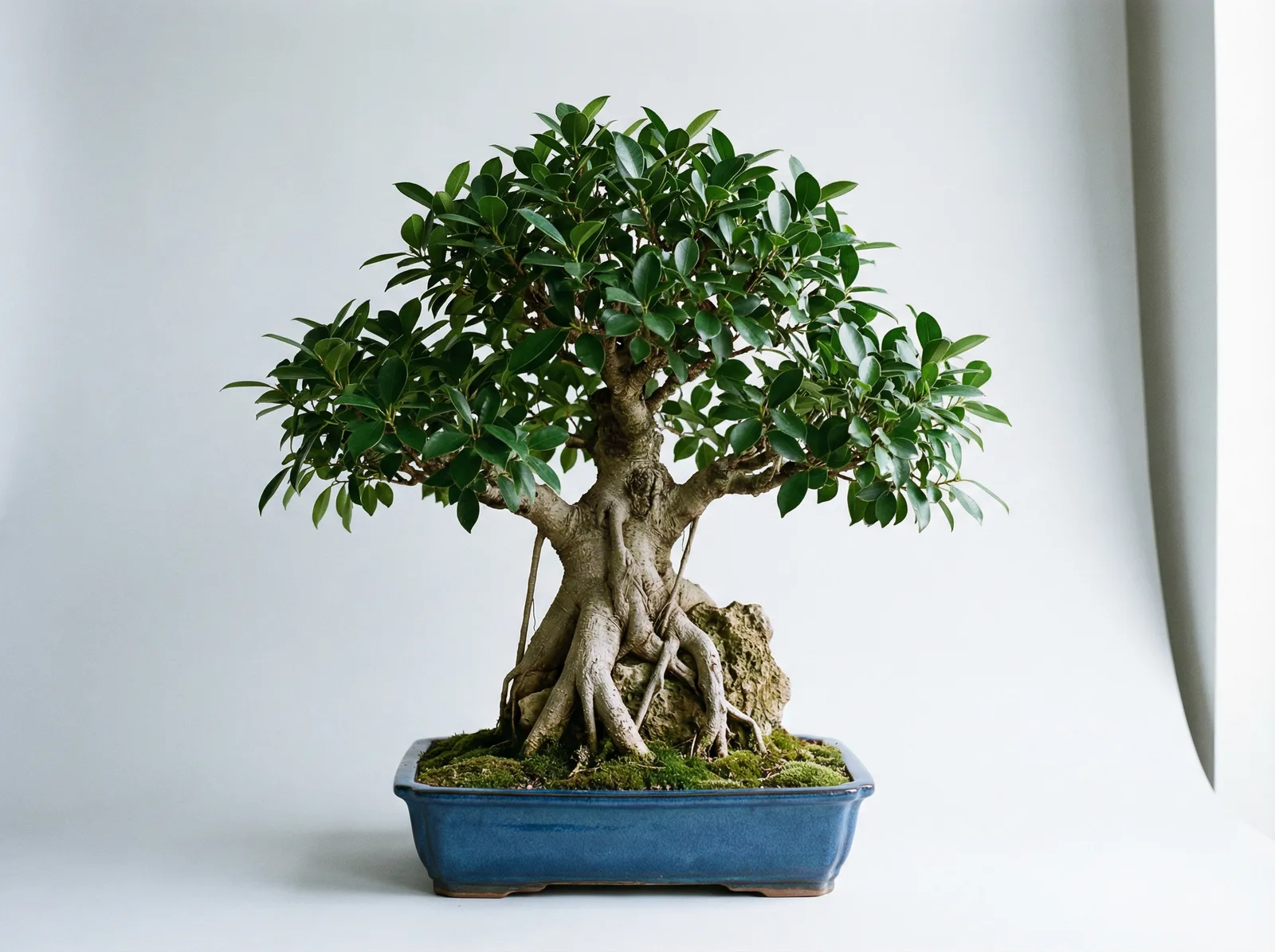
Ficus Bonsai
- care
- beginner
- light
- bright indirect
- zone
- 10–12
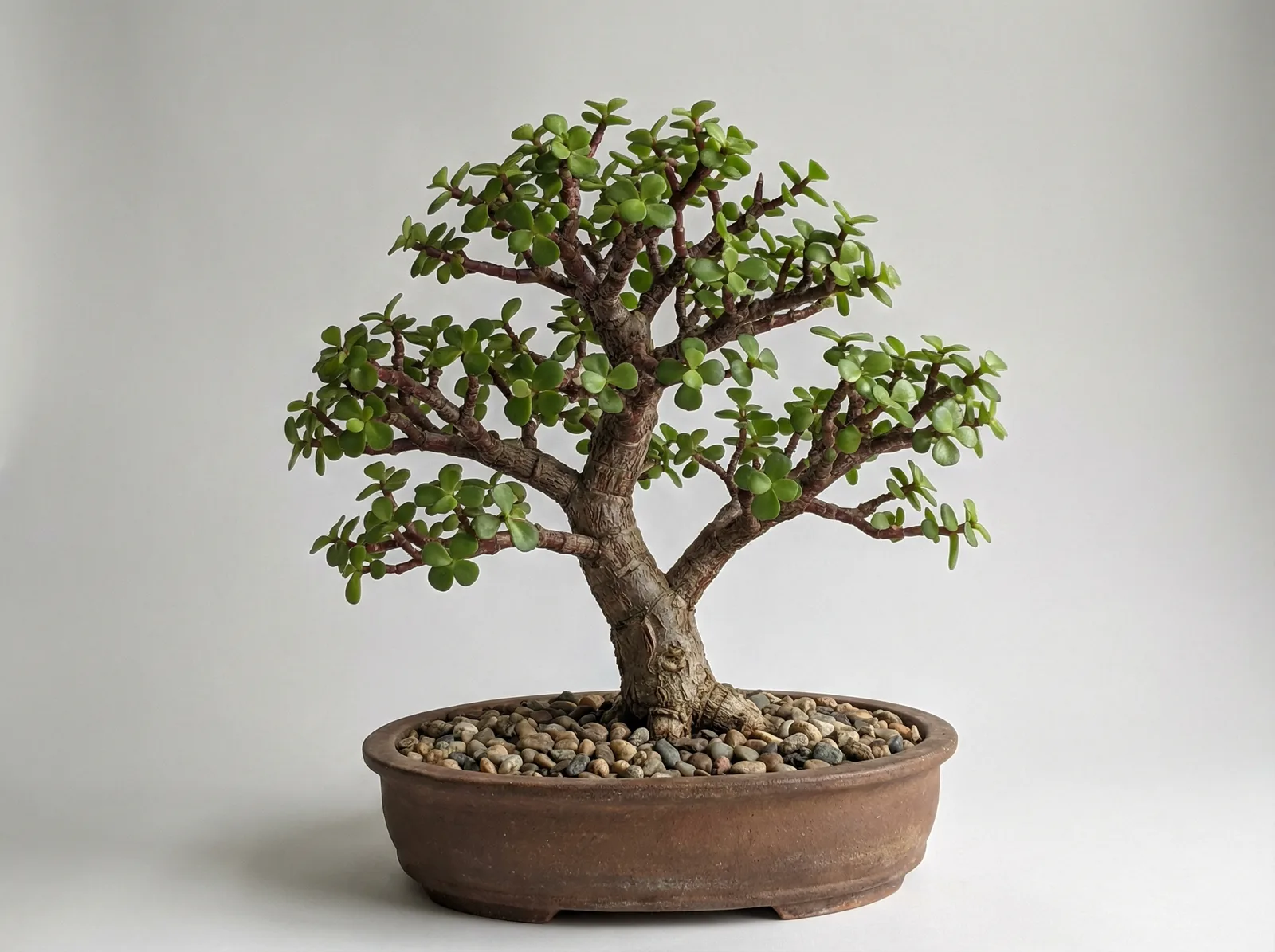
Dwarf Jade Bonsai
- care
- beginner
- light
- full sun
- zone
- 9–11
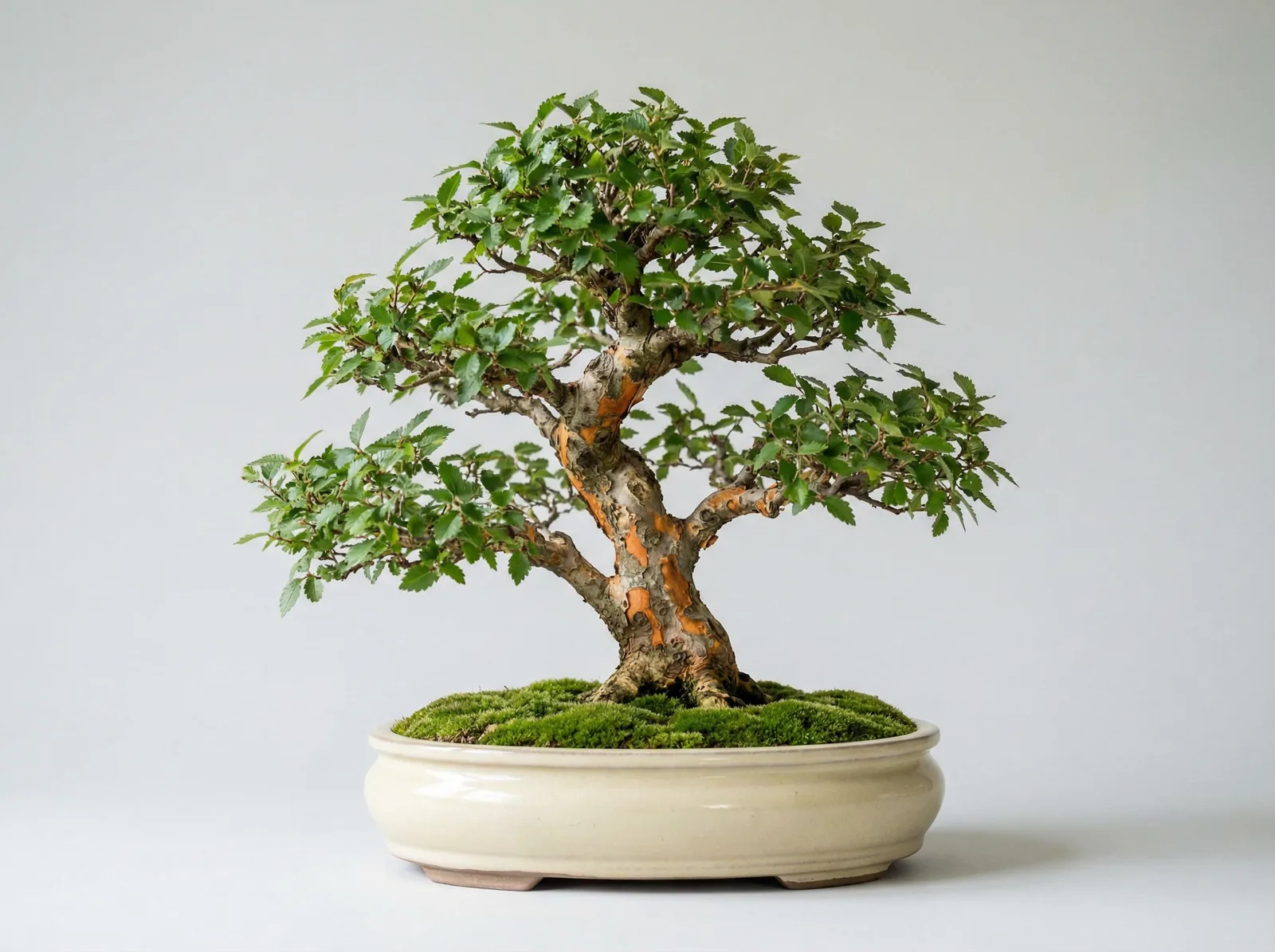
Chinese Elm Bonsai
- care
- beginner
- light
- full sun+
- zone
- 5–10
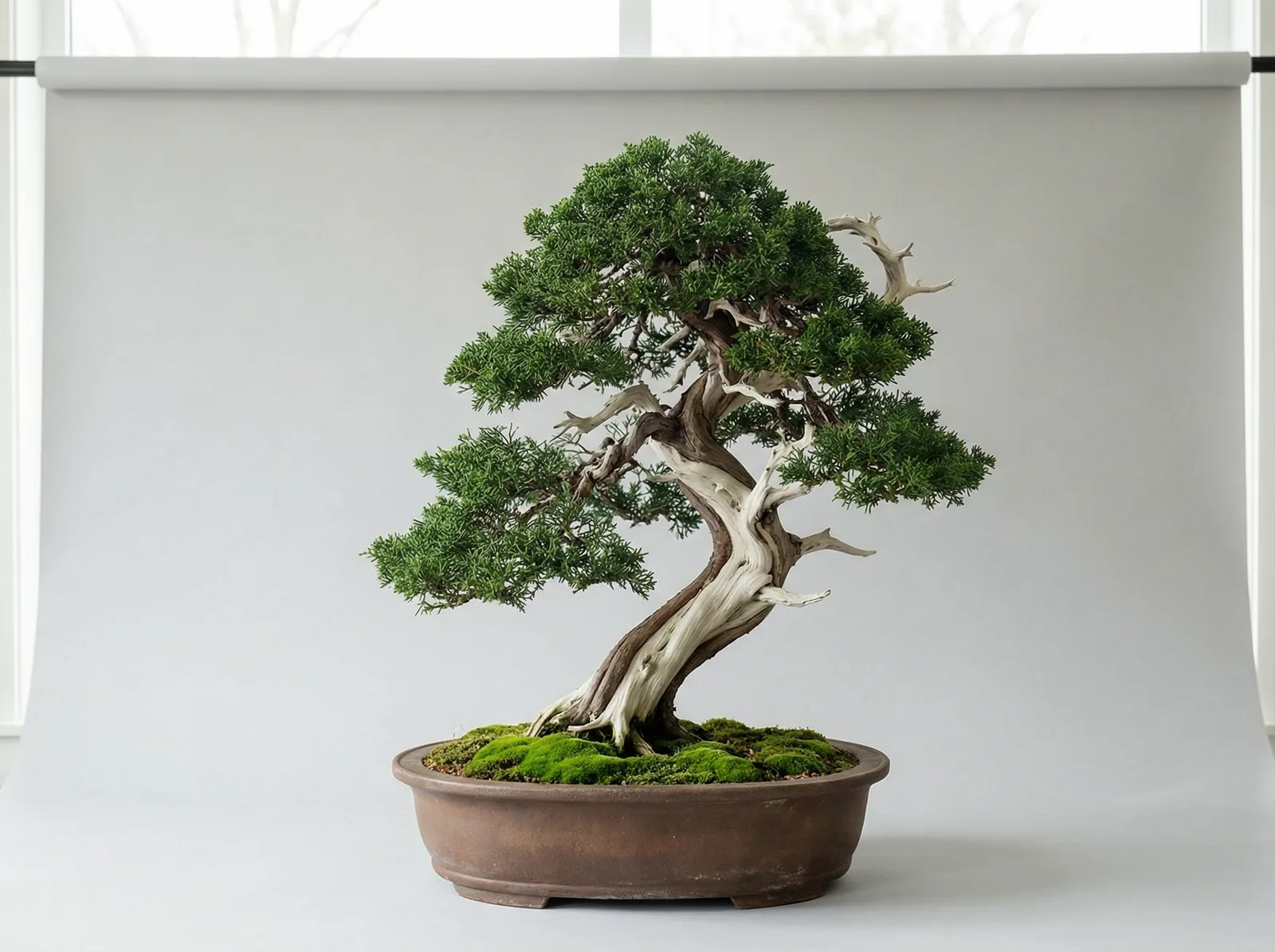
Juniper Bonsai
- care
- beginner
- light
- full sun
- zone
- 4–9
Olive Bonsai
- care
- beginner
- light
- full sun
- zone
- 8–11