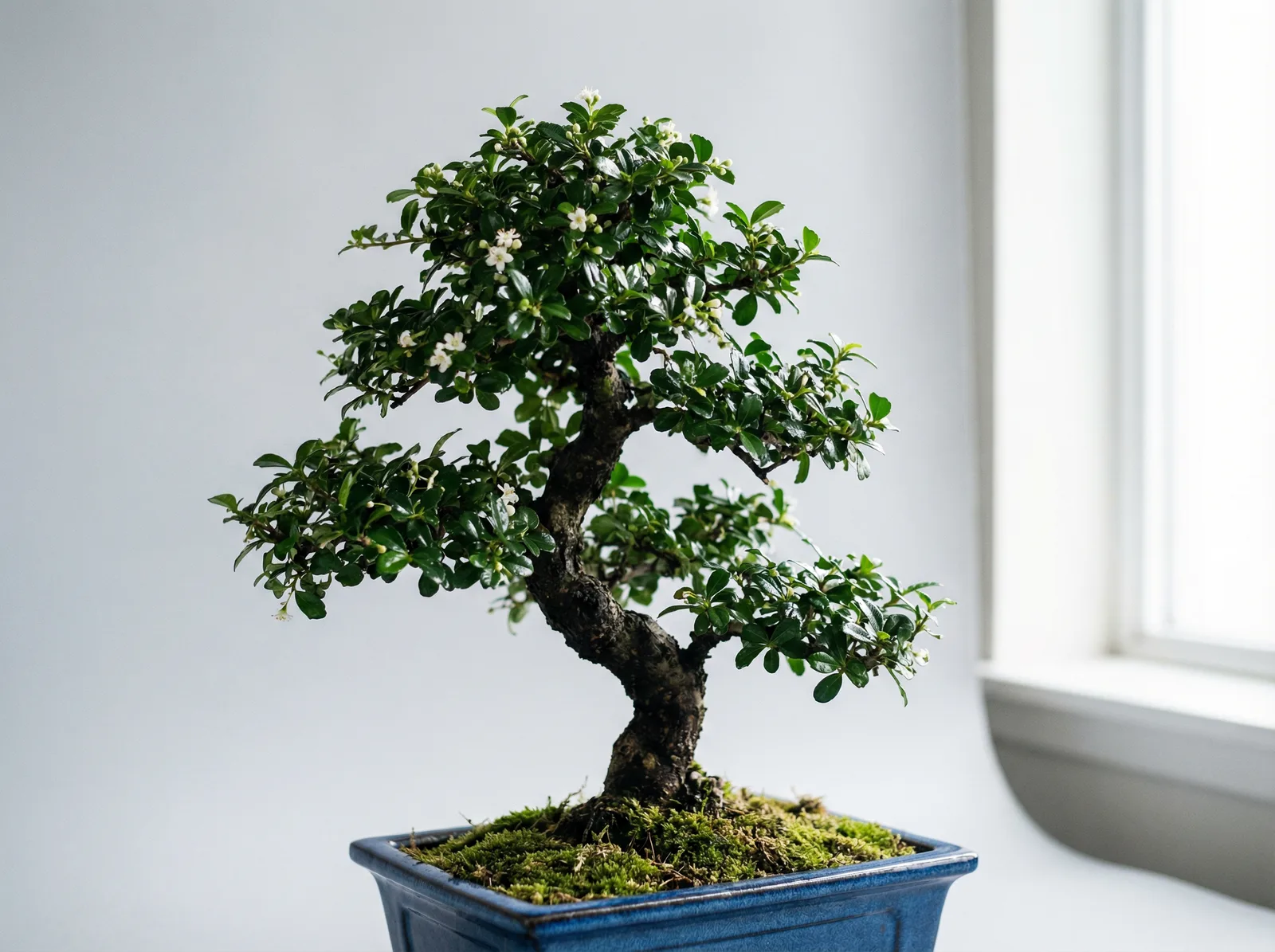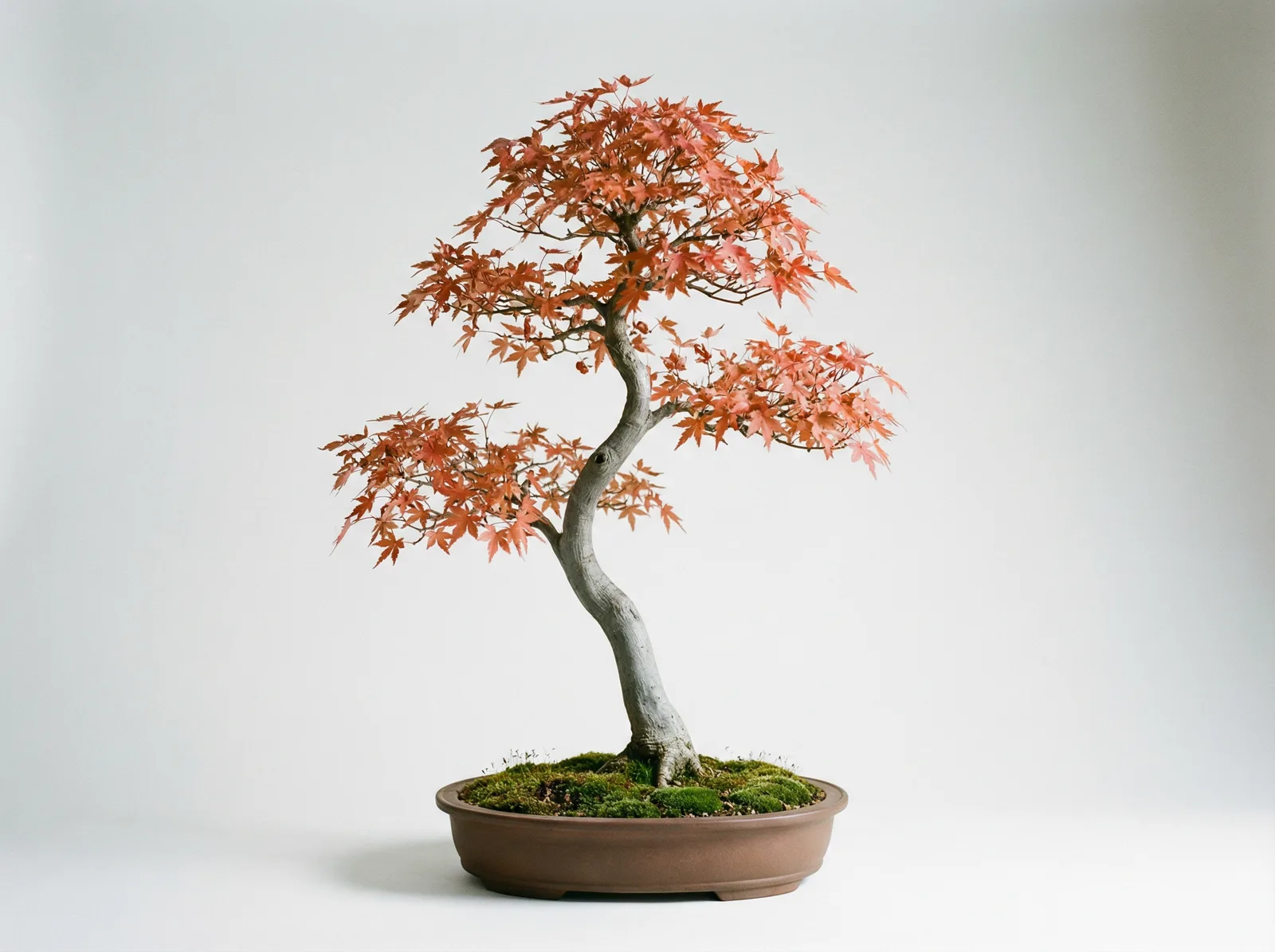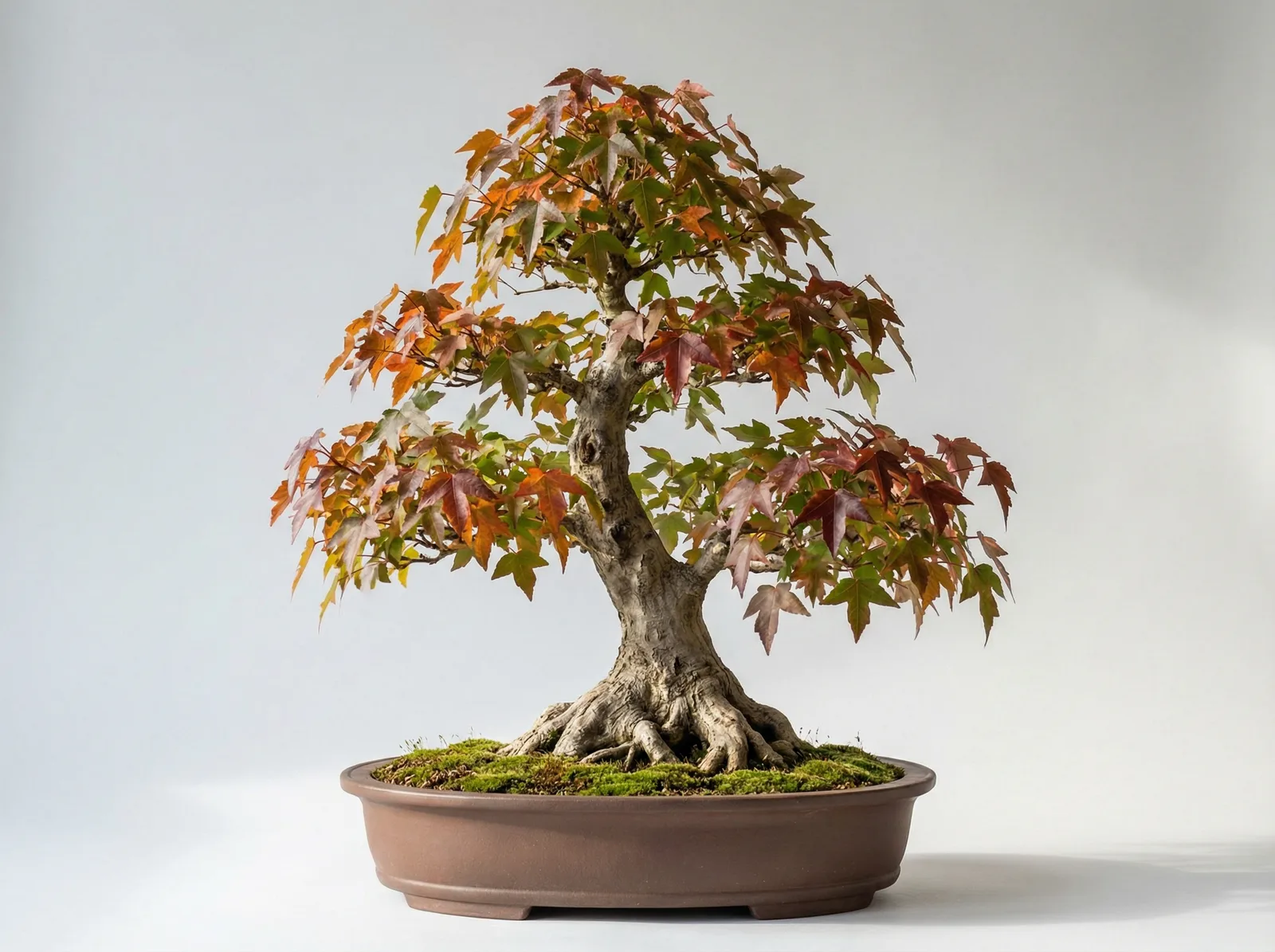
Ficus microcarpaboth
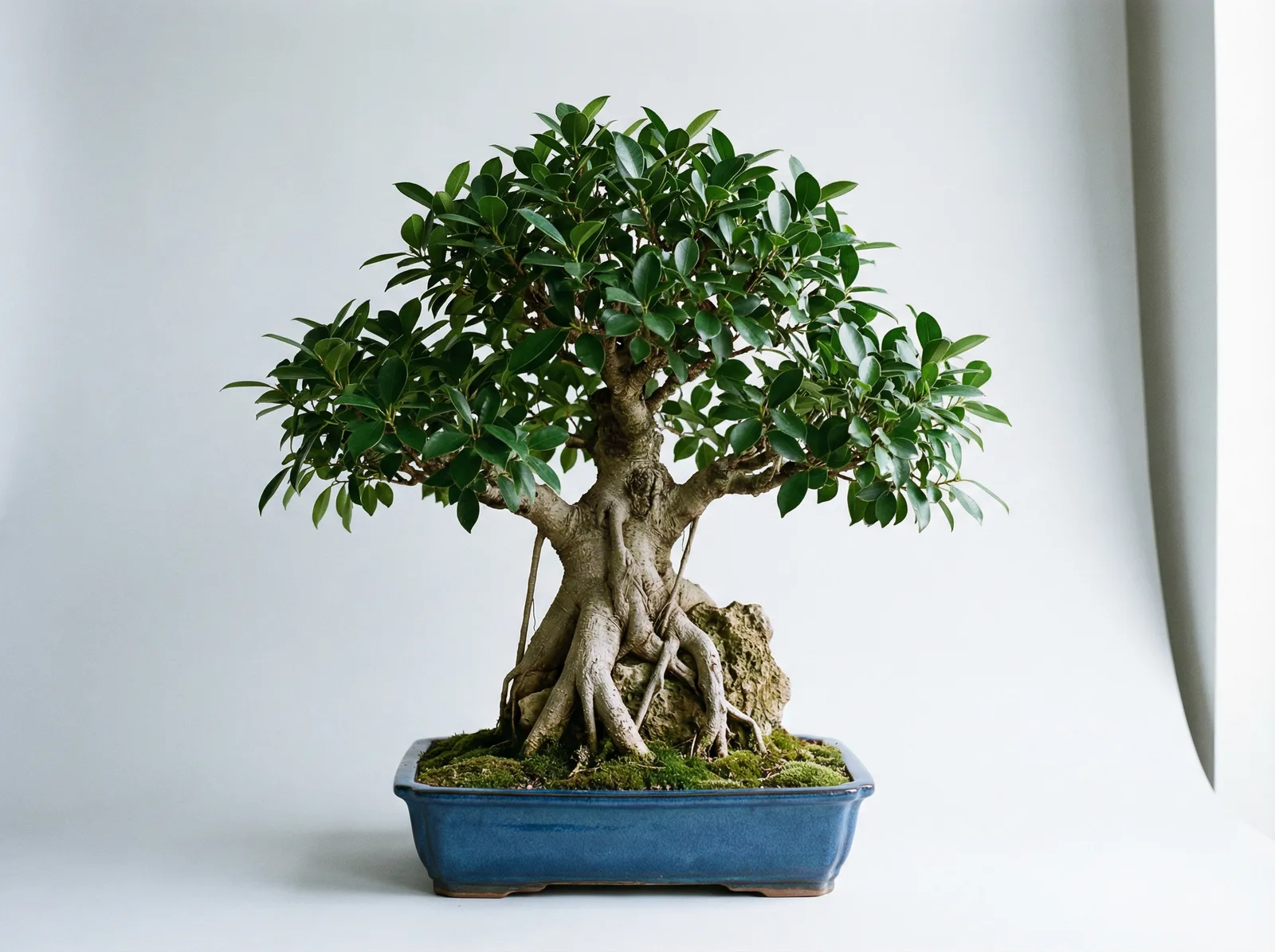
Ficus Bonsai
- care
- beginner
- light
- bright indirect
- zone
- 10–12
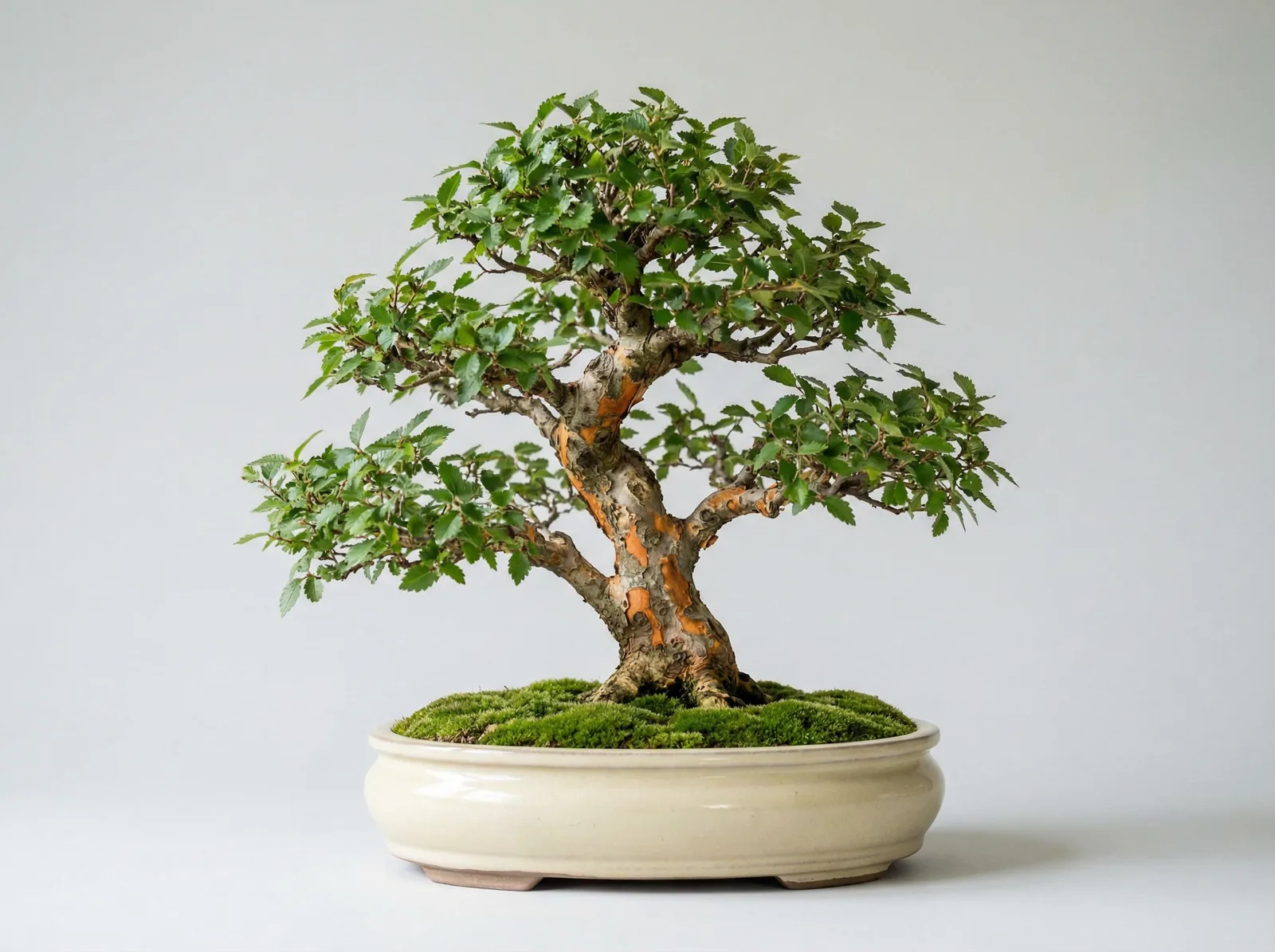
Ulmus parvifolia · Ulmaceae
Why grow it
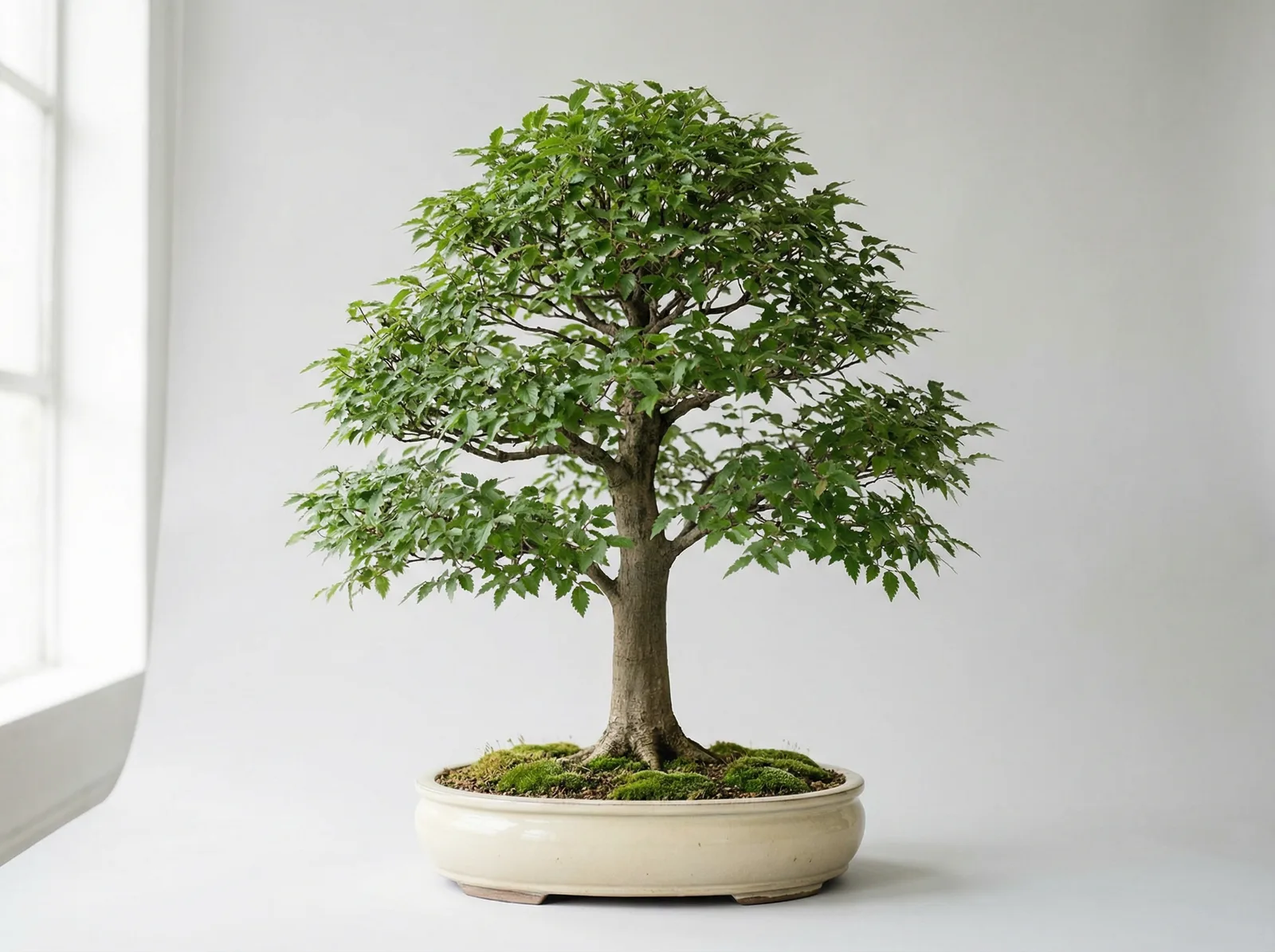
Chinese elm might be the single best species for learning bonsai. Ulmus parvifolia does everything well: it grows fast, tolerates mistakes, responds to pruning like it was built for it, and develops that stunning patchwork bark—oranges, grays, and tans flaking away to reveal fresh colors underneath. And it works indoors or out, which almost no other species can claim.
The leaves start small and get smaller with pruning. By your second season of consistent pinching, you'll have a dense canopy of half-inch leaves on a tree that actually looks like a miniature of the real thing. That's the payoff: Chinese elm reward effort immediately.
Outdoors is always better. A Chinese elm on a sunny patio will outgrow one on a windowsill by a factor of three. But if indoors is all you've got, this tree will work with you. Just manage expectations—growth will be slower and leaves will be larger.
The routine
How much light can you give it? That single question determines what your Chinese elm will look like. Full outdoor sun produces compact internodes, tiny leaves, and a tree that ramifies like crazy. A windowsill produces larger leaves, longer gaps between them, and slower development. Both are fine—just know what you're signing up for.
Watering is about as forgiving as bonsai gets. Check the soil surface daily; the moment the top quarter-inch goes dry, water until it runs from the drainage holes. Forget for a day? The leaves wilt dramatically—it looks dead—but one good watering and it perks up within hours. An elm that wilts flat on a hot Saturday afternoon and gets watered that evening will look perfect by Sunday morning. Try that with a maple.
Chinese Elm looking rough right now?Skip to common problems below, or start with the symptom guide.If you're moving between indoors and outdoors with the seasons, acclimate slowly. One week of transition: start with a few hours of shade outside, add more sun each day. Sudden moves from a 68°F living room to a 90°F patio cause leaf drop and sunburned foliage. The reverse is true in fall—gradually reduce light over a week before bringing it inside.
Soil mix: 60% inorganic (akadama and pumice, roughly equal parts) with 40% composted pine bark. Chinese elm are hungry trees. They'll grow in almost anything that drains, but a nutrient-retentive mix with organic matter gives you the best growth. Feed every two weeks with liquid fertilizer or scatter Biogold pellets monthly during the growing season.
Shaping
Chinese elm is the species clip-and-grow seems designed for. Let a shoot extend to 6-8 leaves, then cut back to 2. Two new shoots emerge. Let those extend, cut back. Repeat all season. By fall, you've turned one branch tip into eight. Multiply that across the whole tree and you've got the dense canopy that makes broom-style elm so striking.
You can prune any time of year, but spring and summer produce the fastest response. A branch cut in April will have three new shoots by May. The same cut in November might not push growth until spring. Time your heavy work accordingly.
Defoliation works beautifully. In early June, remove every leaf with sharp scissors, cutting through each petiole so the stalk stays on the branch. The tree pushes a full second flush within two to three weeks, and the new leaves come in noticeably smaller. Only do this on strong, well-fed trees—it's an energy-intensive response.
Wound healing is fast. Cuts under 8mm close on their own within a season. For larger cuts, use a concave cutter to create a slightly hollow wound profile—this heals flatter and avoids the raised callus ridge you'd get from a flat cut. No paste needed on small wounds. The tree seals itself.
Broom style was basically invented for Chinese elm. The fine branching fans out from a central trunk like an umbrella, and after three to five years of consistent pruning, the silhouette fills in completely. Start by selecting 3-5 primary branches radiating from the same point on the trunk, then build ramification through clip-and-grow. The result is that iconic round canopy you see on old elm trees in parks.
Informal upright and multi-trunk styles also work well, especially for trees with interesting trunk movement. As the bark matures, it develops that beautiful mottled exfoliation—keep the trunk visible in your design. A tree buried behind foliage is hiding its best feature.
Chinese elm branches are flexible and cooperative under wire. Apply it in spring or summer, size the wire to each branch (/tools/wire-gauge), and check every 3-4 weeks during active growth. The bark marks easily, so remove wire at the first sign of pressure. Branches set in 3-6 months.
Guy wires work better than spiral wiring for primary branch positioning on larger specimens. Anchor to the pot edge with heavy copper wire and use a small turnbuckle for fine adjustment. Less bark contact means fewer scars.
When things go wrong
Indoor leaf drop is the most common Chinese elm complaint, and nine times out of ten it's a light problem. Chinese elm near a north-facing window will slowly decline—dropping leaves, producing weak shoots, eventually giving up. Move it to your brightest window or add a full-spectrum grow light. The tree rebounds fast once it has the light it needs.
A bare elm is not necessarily a dead elm. Scratch a thin sliver of bark with a thumbnail: green underneath means the tree is alive and will bud out again once light and watering are sorted. Work from the branch tips back toward the trunk to map what's still live -- elms often sacrifice weak twigs under stress and rebound from the interior.
Spider mites love dry indoor air. Tiny bronzing on the leaf surfaces, fine webbing at branch tips—that's them. A weekly shower in the sink (or a hose-down outside) prevents the problem entirely; if they're already established, /guides/pest-control walks through treatment.
Scale insects are sneaky. They look like tiny brown bumps glued to the bark and branches. Easy to mistake for natural bark texture. Scrape one with a fingernail—if it pops off and leaves a wet spot, it's scale. Wipe them off with alcohol on a cotton swab; the pest guide covers heavier infestations.
Leggy, stretched growth with long internodes between leaves just means the tree wants more light. Prune back the elongated sections and move to brighter conditions. New growth will be compact and dense. This is the most fixable problem in bonsai.
Nursery stock Chinese elm in 1-gallon pots for $15-30 is the best value in bonsai. You get a healthy root system, a trunk with some character, and a species that develops fast under bonsai training. Look for plants labeled Ulmus parvifolia (not U. pumila, which is Siberian elm—different tree, worse for bonsai).
The "S-curve" mallsai from big-box stores for $20-40 can work, but the trunk shape is forced and artificial. You'll spend years trying to make it look natural. Better to start with straight nursery stock and create your own movement through pruning and wiring.
Online, Wigert's sells quality pre-bonsai elms with real ramification and developed root systems for $50-150. Eastern Leaf has decent mid-range material. If you're specifically after that broom style, look for trees with a strong central leader and multiple branches emerging from roughly the same height.
Some links may become affiliate links; our picks don't change.
Also on the bench