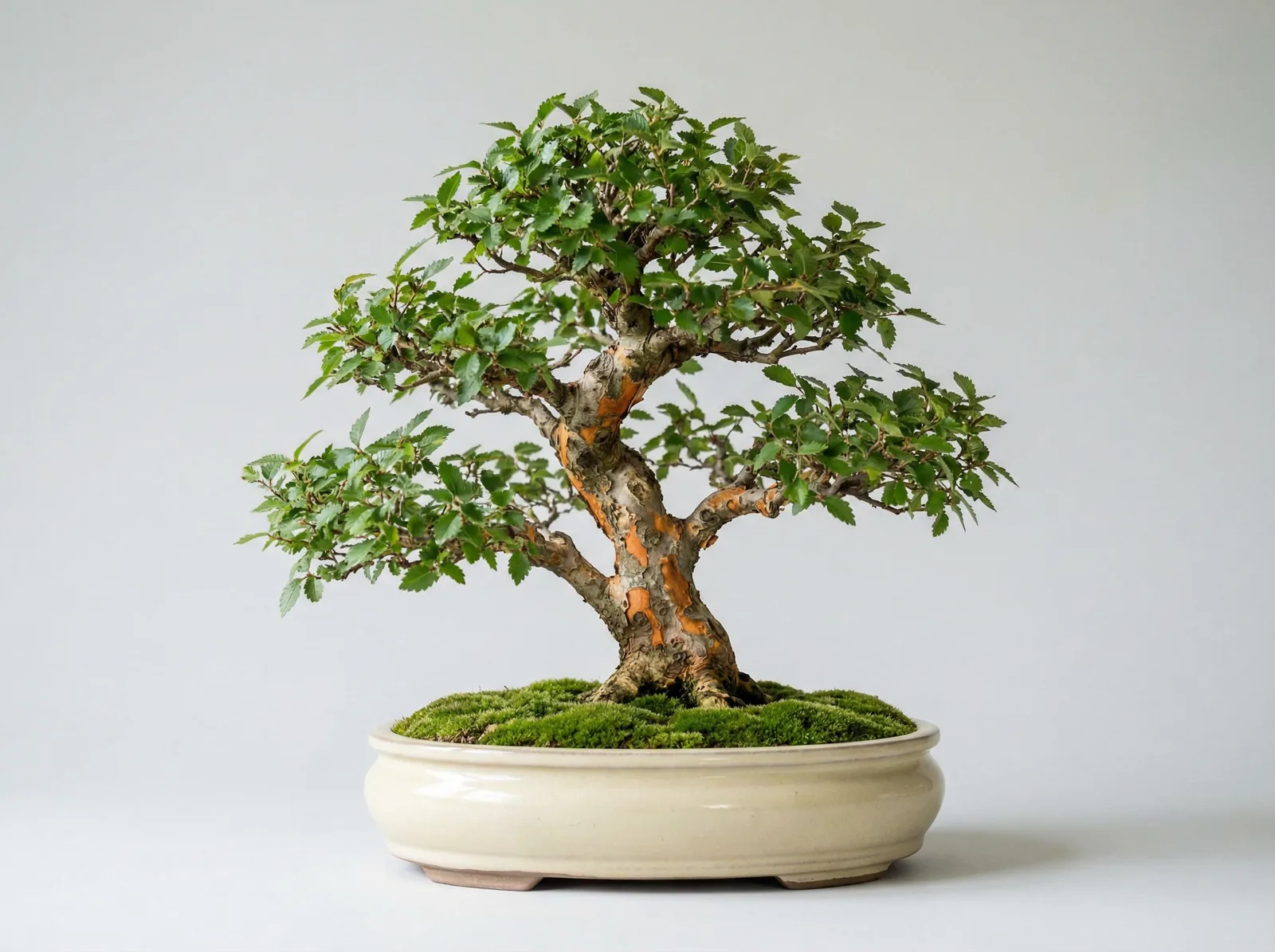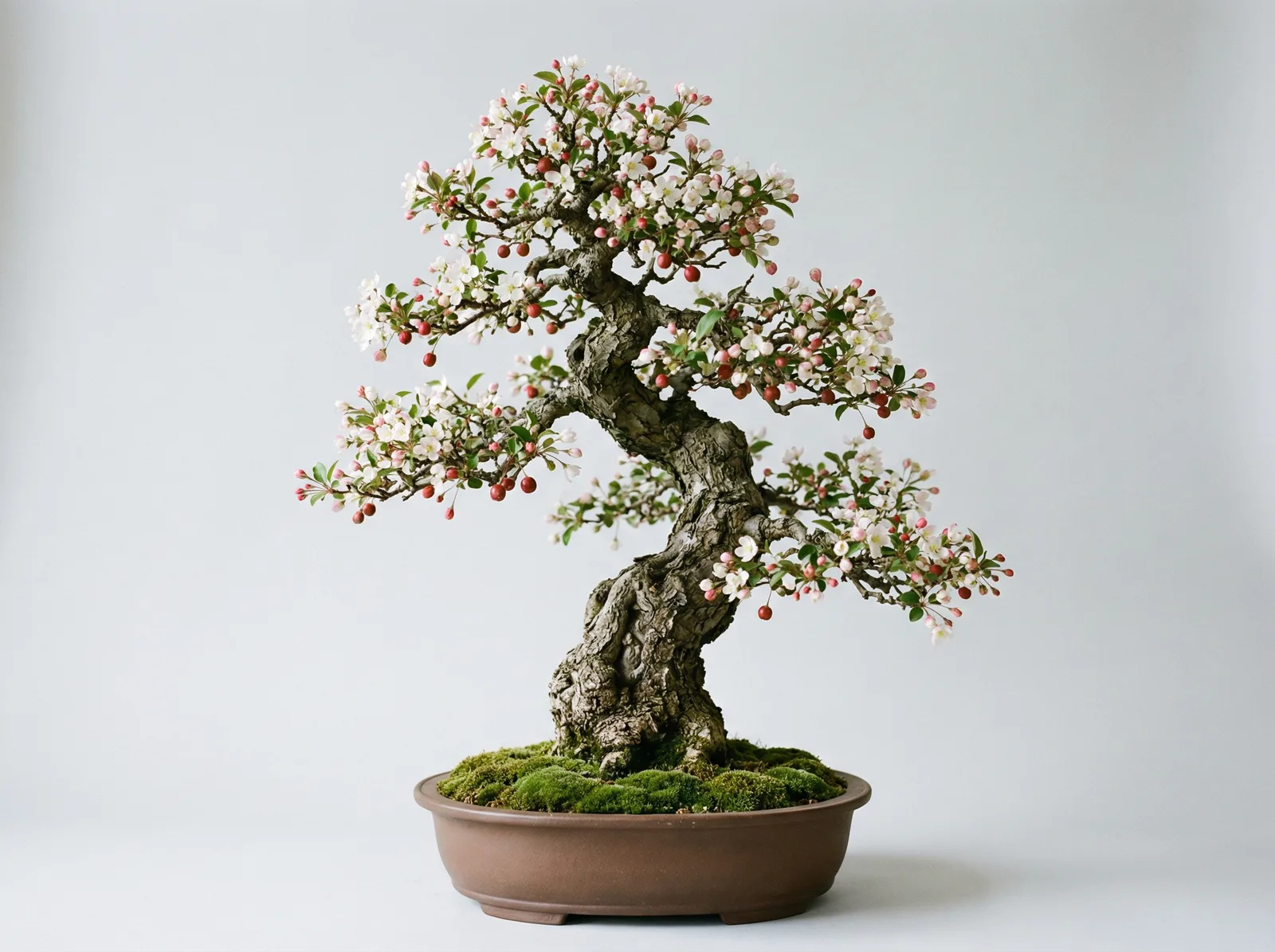
Prunus serrulataoutdoor
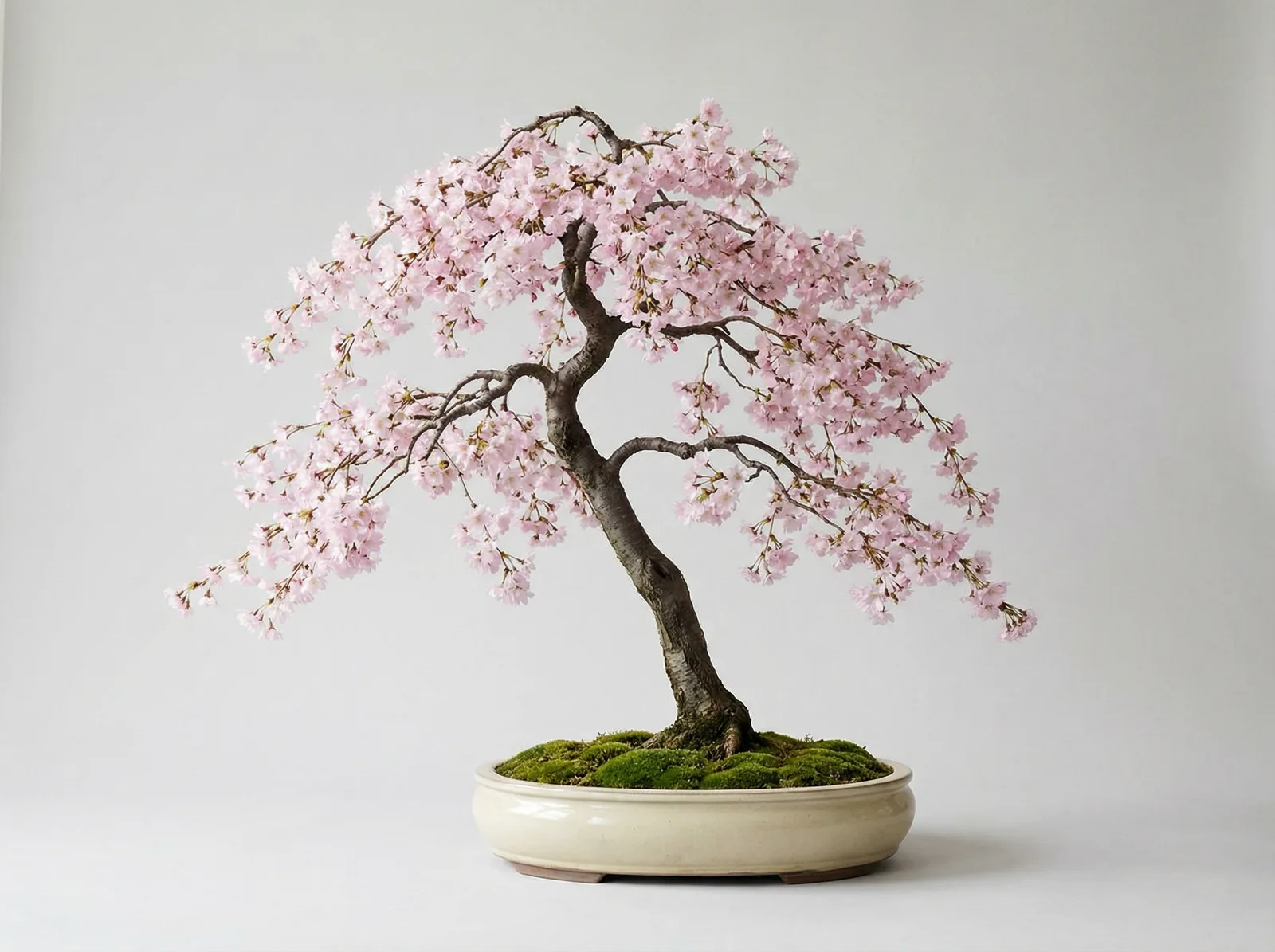
Cherry Blossom Bonsai
- care
- advanced
- light
- full sun
- zone
- 5–9
Acer buergerianum · Sapindaceae
Why grow it
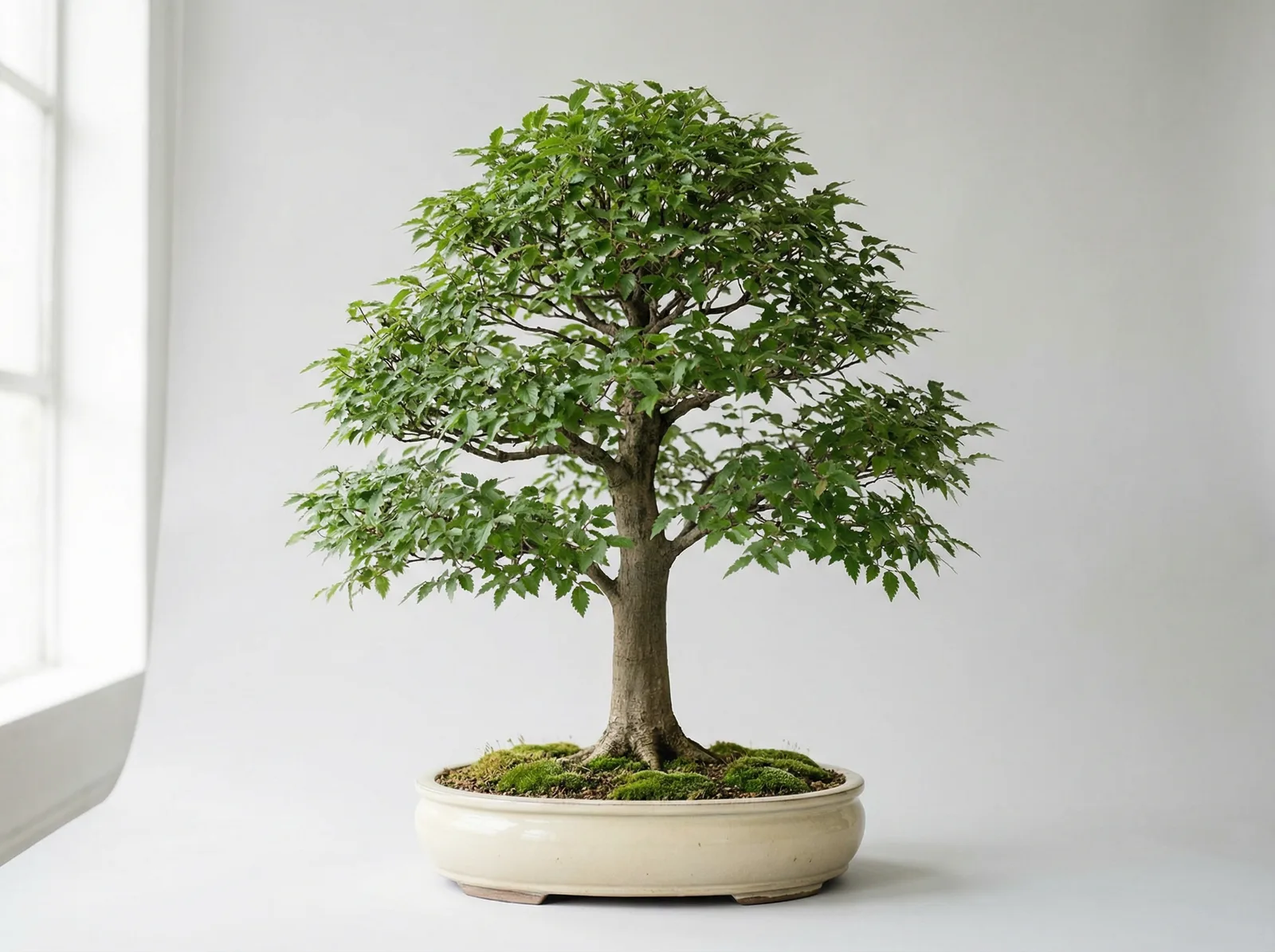
Japanese maple gets the magazine covers. Trident maple does the actual work. Acer buergerianum is tougher, more heat-tolerant, and far more forgiving than its celebrity cousin. The three-lobed leaves are already small and reduce further with defoliation. While Japanese maple sulks in afternoon sun, trident maple thrives in it. This is the maple for people who want results, not anxiety.
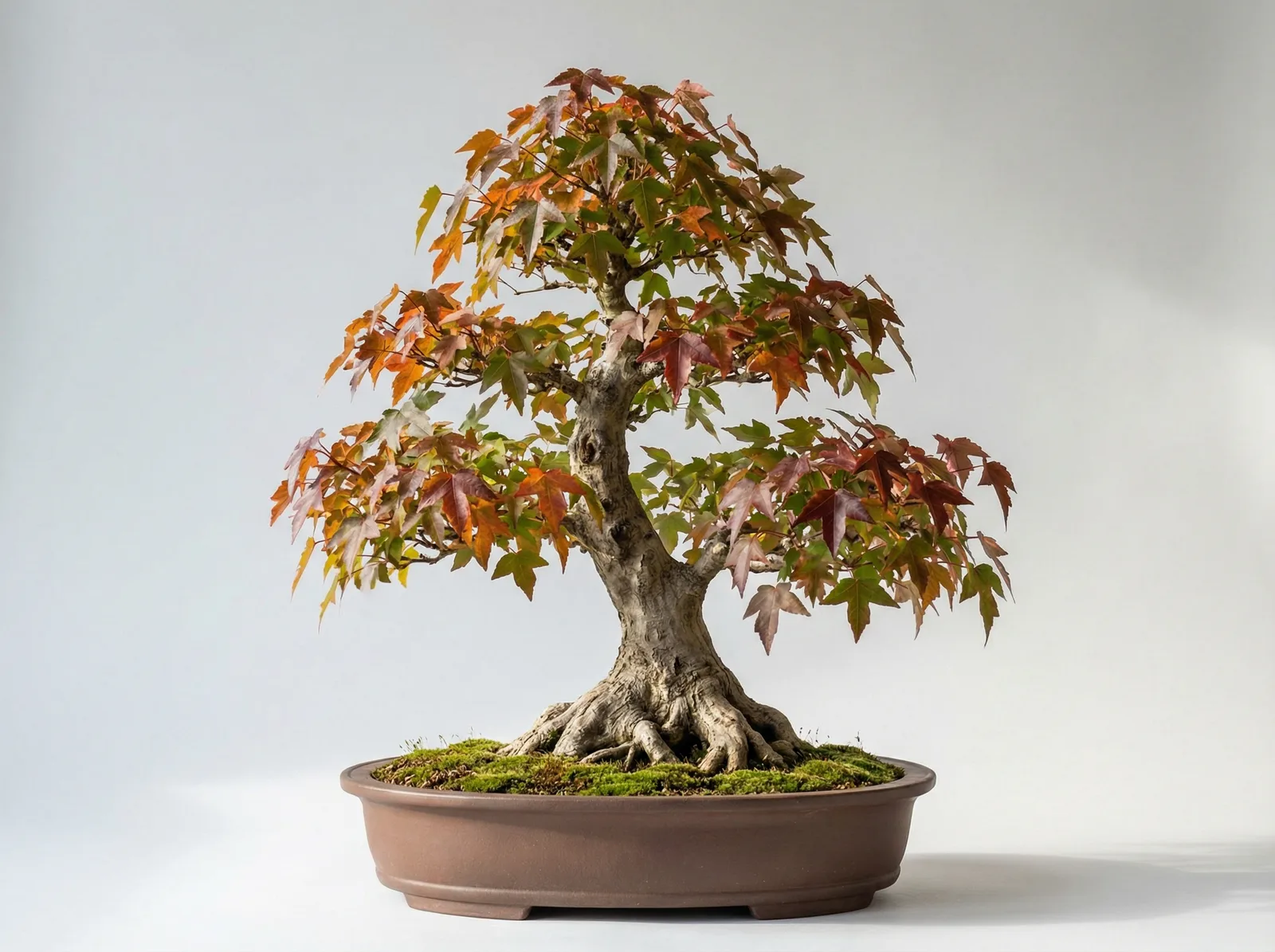
The root flare -- the nebari -- is the signature feature that sets trident maple bonsai apart from everything else. The surface roots spread aggressively, fusing together over time into dramatic, buttressed bases that look like they've been gripping the earth for centuries. This happens naturally with proper root work. You just have to encourage what the tree already wants to do.
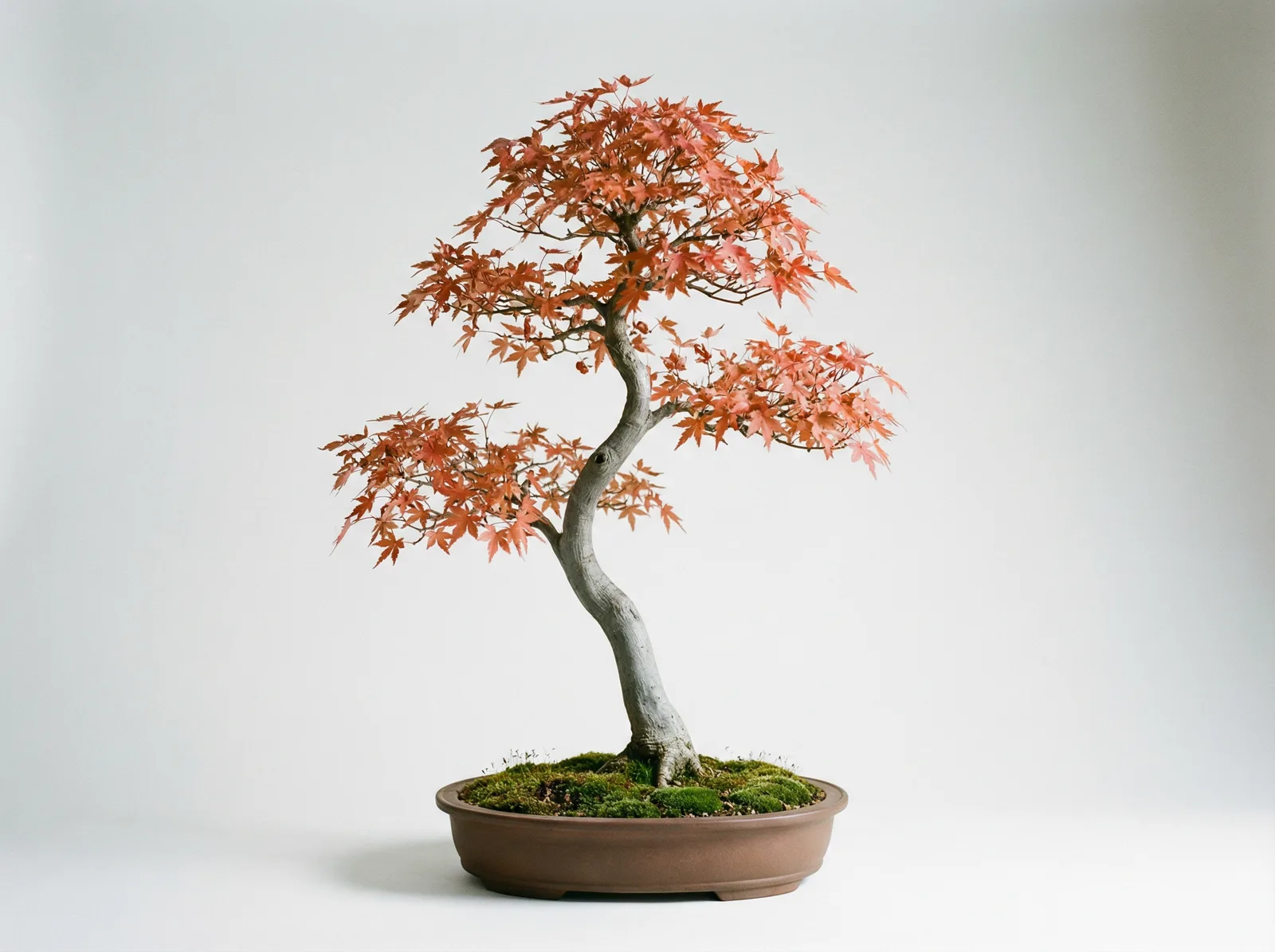
Fall color is reliable without being fussy. Trident maples turn orange to red most years without requiring the perfect temperature swing that Japanese maples demand. The three-lobed leaves are distinctive in every season. Not as flashy as palmatum, but consistent. Sometimes consistent beats flashy.
The routine
Sun tolerance is the headline advantage. Where a Japanese maple would scorch and crisp, trident maple just... grows. Full sun in zones 5-7 produces the tightest internodes and best fall color. Only in zones 8-9 does afternoon shade become worth the effort. If you've been nervous about giving a maple real sun, tridents will change your mind.
Watering is simple but relentless. These trees grow hard and transpire heavily. A trident maple in a shallow pot on a July afternoon can dry out twice in one day. Not an exaggeration. If you're planning a weekend trip in summer, set up a drip irrigation system or have someone check your trees daily. One complete dry-out won't kill the tree, but it costs you weeks of development.
Trident Maple looking rough right now?Skip to common problems below, or start with the symptom guide.Root work is where tridents earn their reputation. Every time you repot and prune the roots, the tree generates new feeder roots near the cuts. Over five or six repottings, this builds the kind of nebari that wins shows. Some serious growers use the tile method -- growing roots over a flat ceramic tile to force lateral spread. It works. Dramatically.
Pests? Barely worth mentioning. Aphids on spring growth. Spray them off with water.
Shaping
Structural cuts go in during late winter while the tree is dormant and you can see every branch clearly. Remove anything crossing, growing inward, or disrupting taper. Apply cut paste to wounds larger than 5mm -- trident maples heal reasonably well, but larger cuts can die back a node or two without protection. Use concave cutters for clean, flat wounds.
Summer pruning drives both ramification and leaf size reduction. Let new shoots push 4-6 leaves, then cut back to 1-2 with sharp shears. The tree responds with finer replacement growth. Repeat this cycle from May through early September. By October, you'll see noticeably denser branching compared to spring.
Defoliation is where trident maples flex. In early June, remove every leaf but leave the petioles attached. The tree pushes a second flush with leaves 30-50% smaller than the originals. You can defoliate tridents more aggressively and more frequently than Japanese maples. They handle it. Just make sure the tree is healthy and well-fed before you strip it -- defoliating a weak tree is a recipe for die-back.
Root-over-rock is the style that trident maples own. Those aggressive roots grip stone surfaces and fuse together into structures that look geological. Start with a young tree -- tie the roots snugly over a piece of interesting rock with thin wire or raffia, then plant the whole assembly deep. Each year at repotting, expose a little more root. Within 5-7 years you'll have something that stops people in their tracks.
Informal upright showcases trunk taper, and trident maples develop taper through trunk chopping -- cutting the leader back to a side branch and regrowing. Do this on young, vigorous material. You can chop two or three times over several years to build dramatic taper from a pencil-straight nursery tree.
Forest plantings multiply the fall color display beautifully. Use 5, 7, or 9 trees with varying caliper. Wire in the initial trunk angles before planting in a shallow oval pot (/tools/wire-gauge sizes the wire to each trunk). Each tree develops its own canopy, and the combined autumn display is worth the extra maintenance.
One word of caution on wiring individual branches: trident bark scars fast during the growing season, and wire that fit in May is biting by June. Many experienced growers skip wrapped wire on tridents entirely and rely on clip-and-grow plus guy wires for positioning.
When things go wrong
Wire scars disfigure more trident maples than any pest or disease. During the growing season, the bark is soft and the branches expand rapidly -- wire that was snug on Monday is cutting in by Friday. Inspect wired branches every few days, not weekly. If you see even the slightest indentation, remove the wire immediately. For this reason, many growers avoid traditional wiring entirely and use guy wires or clip-and-grow instead.
Leaf scorch -- brown, crispy margins -- is usually a watering miss, not a sun problem. Trident maples tolerate full sun far better than Japanese maples. If you're seeing scorch, water more frequently before you start moving the tree to shade. Only in the hottest zones should afternoon protection be the first response. If a hard dry-out costs you some twigs, scratch the bark to sort live from dead: green underneath means it will recover, dry brown means prune back to live wood.
Inverse taper at the graft union is a permanent defect on grafted nursery stock. That ugly bulge where the scion meets the rootstock never resolves. When buying trident maples for bonsai, always ask whether the tree is seedling-grown or cutting-grown. Grafted material is fine for landscapes but a headache for bonsai.
Landscape nurseries stock trident maple in 1-3 gallon containers for $20-50. Look for seedling-grown trees with low branching and some trunk movement -- avoid anything grafted, because that graft union bulge never goes away. This is one species where nursery stock genuinely makes great bonsai material.
Online bonsai specialists sell pre-bonsai trident maples in the $60-300 range. Japanese imports with developed nebari and branching start at $300 and climb past $800 for show-quality trees. Brussel's, Wigert's, and Evergreen Gardenworks are solid sources. For trident maples, the root base and trunk taper are what you're paying for -- don't cheap out on those features. A tree with great nebari and taper is worth twice what a straight-trunked tree costs, because you can't buy back the years it takes to develop those qualities.
Some links may become affiliate links; our picks don't change.
Also on the bench