
Got a bonsai as a gift? Your first 30 days
Short answer
First, figure out which tree you have — most gift bonsai are one of three: juniper (needled sprays, twisting trunk — an outdoor tree), ginseng ficus (fat bulbous base, glossy leaves — indoor), or fukien tea (small dark leaves, little white flowers — indoor). Put it in the right place, water when the top of the soil dries, and change nothing else for 30 days.
Day one: figure out which tree you're holding
About nine gift bonsai in ten are one of a handful of species, and three dominate:
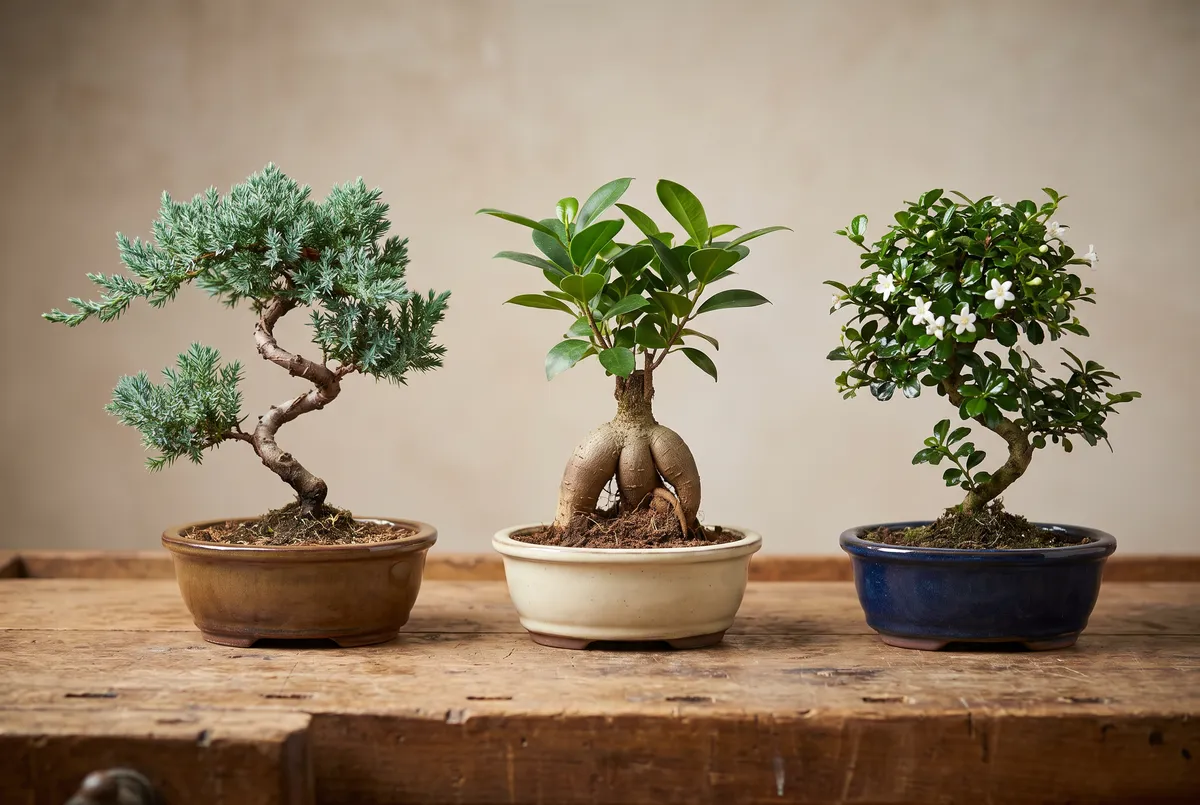
- Juniper — sprays of scale-like or needled foliage, blue-green to sage color, often an S-curved trunk, frequently a layer of glued gravel on the soil. The classic mall and kiosk tree.
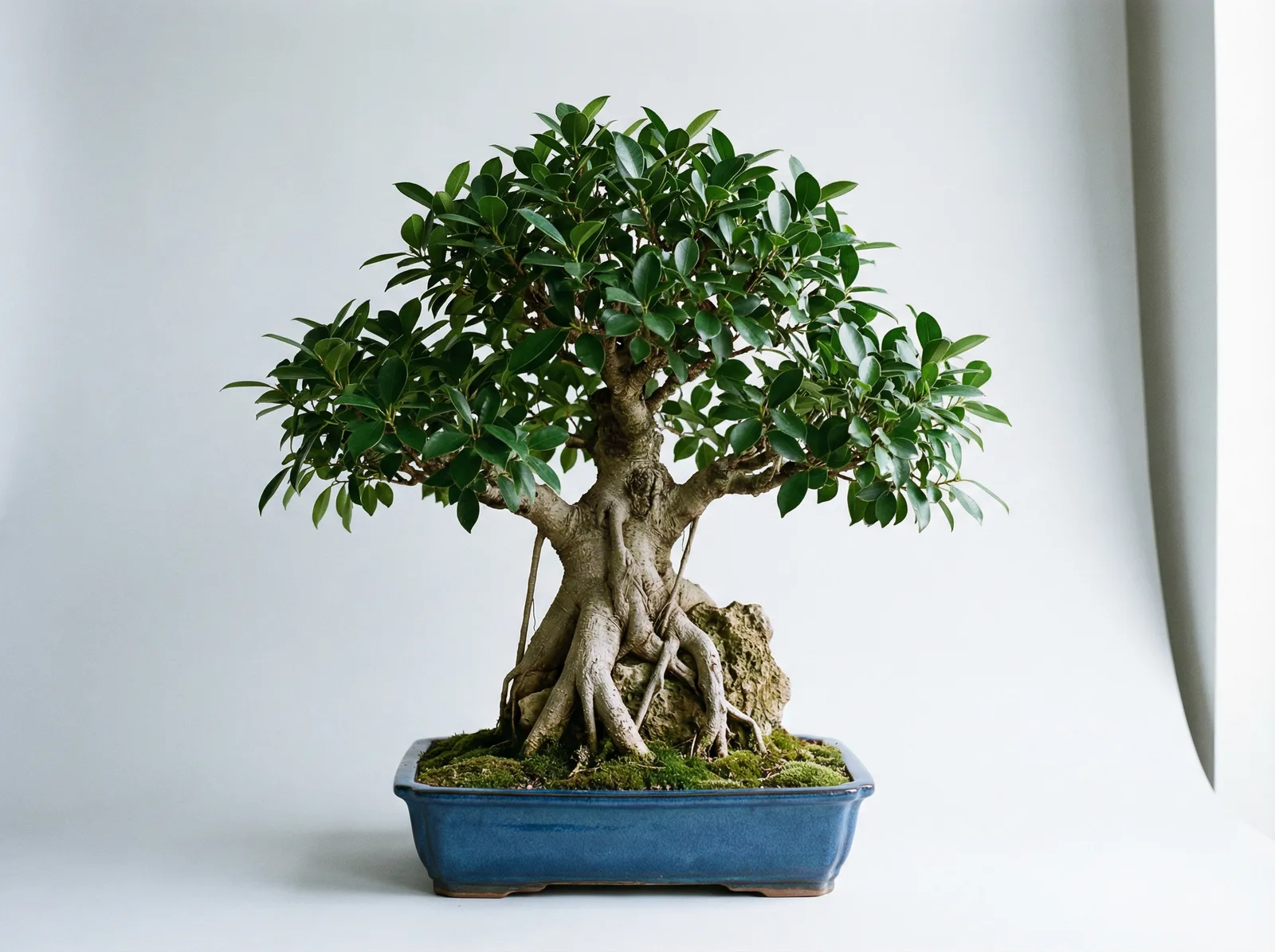
- Ginseng ficus — impossible to miss: fat, bulbous exposed roots like a root-vegetable sculpture, topped with glossy oval leaves.
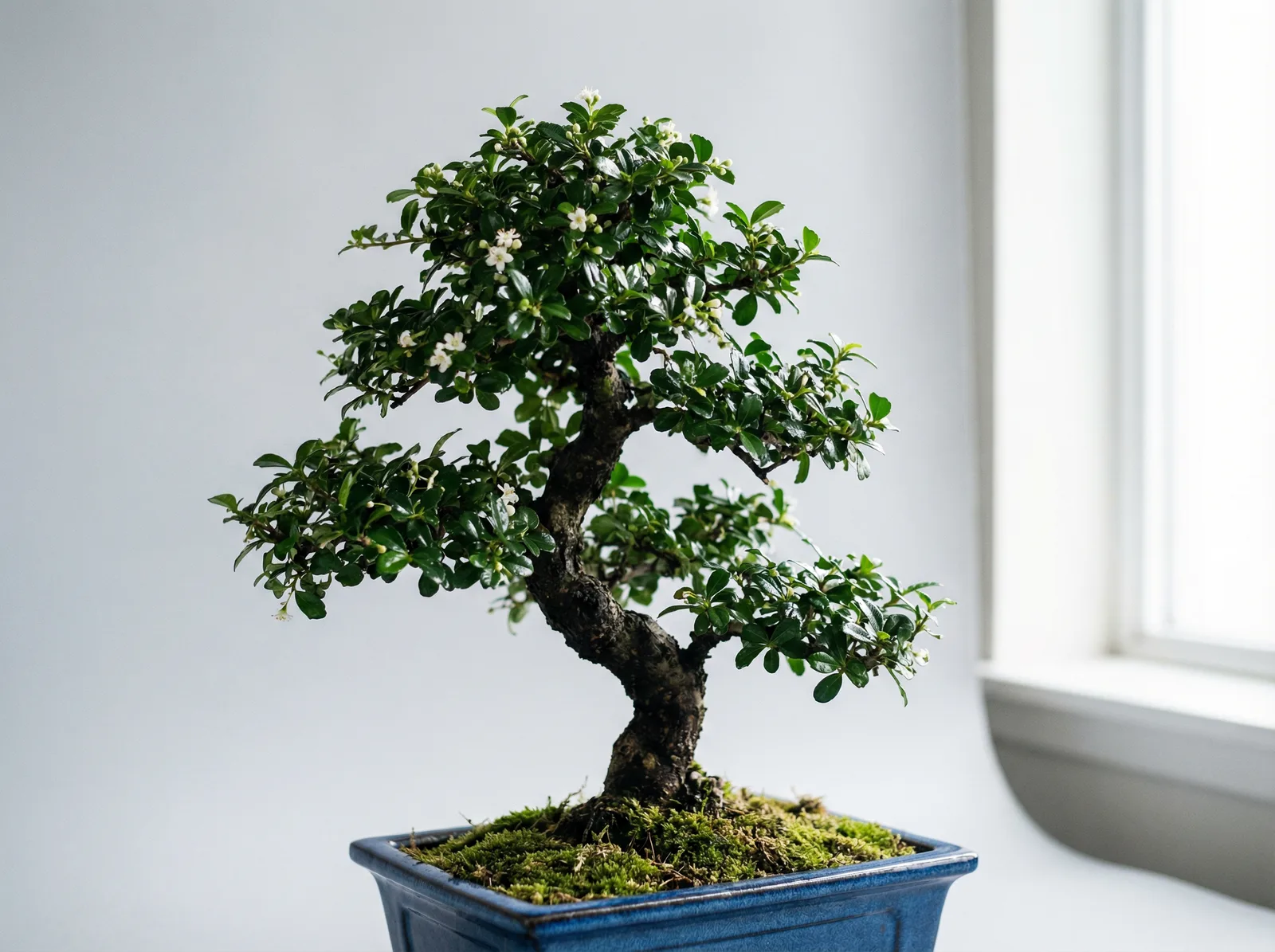
- Fukien tea — small, dark, shiny leaves flecked with tiny white dots, often little white flowers or red berries.
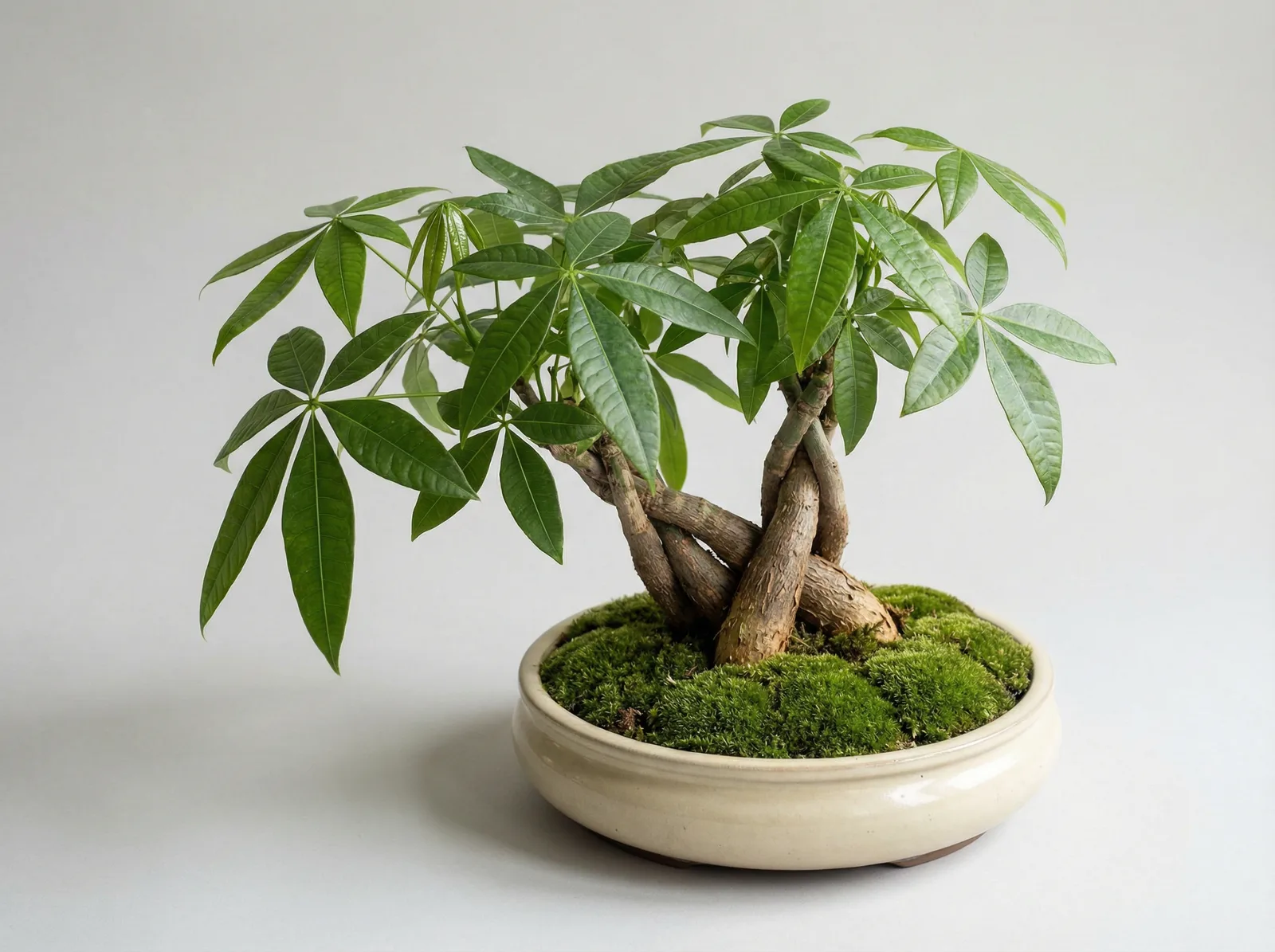
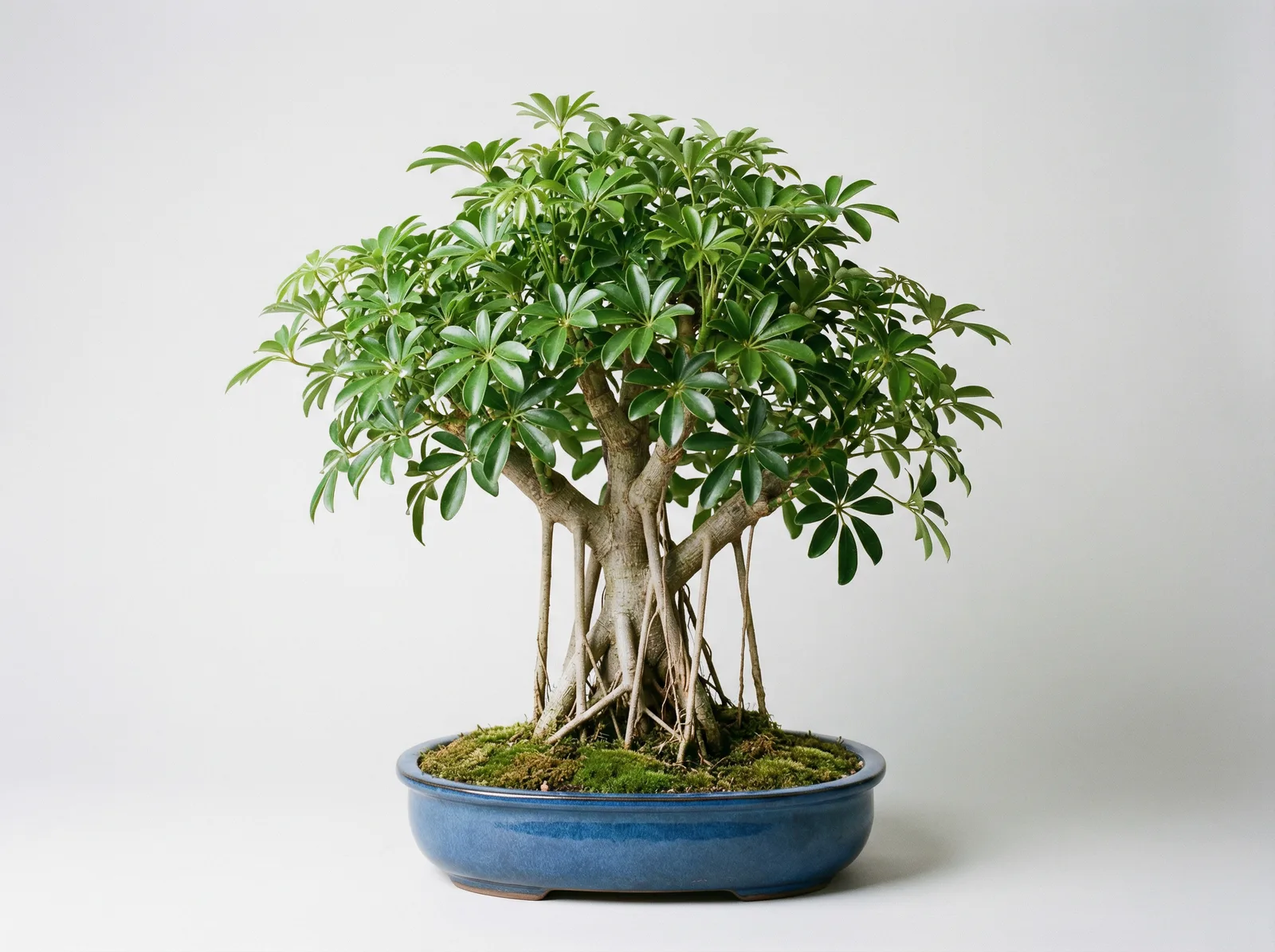
The runners-up are money tree (braided trunk, hand-shaped leaves) and Hawaiian umbrella (leaf clusters like tiny open umbrellas). Confirm yours with the lookup below — it shows exactly the light your species needs. The whole first month hinges on this ID, because the big three don't want the same life at all.
The verdict: indoors or out?
Ginseng ficus: indoors, and it's the easy one. The brightest window you have — south-facing ideally — within 1-2 feet of the glass. It tolerates normal home temperatures year-round and forgives most first-month mistakes. It may drop a round of leaves in its first two weeks with you; that's adjustment, not dying.
Fukien tea: indoors, with opinions. A bright window, warmth (it sulks below about 60°F), and no cold drafts. It's the touchiest of the three — give it a steady spot and a steady watering rhythm and it settles down.
Juniper: outdoors — not eventually, but as its permanent address. A juniper needs direct sun and a real winter dormancy, and it cannot live on a shelf or desk no matter what the display implied. Nothing on the tag told you that, which is exactly why this page exists. Indoors it declines slowly over 2-3 months while staying deceptively green. The one wrinkle: when to move it out depends on the season — read the next section before carrying it to the balcony.
The January juniper: how to move it outside safely
If your juniper arrived in December and has been in a heated living room since, it has lost its cold-hardiness — the antifreeze chemistry a juniper builds each fall fades in warmth. Carrying it straight from a 68°F room into a 20°F night can finish a tree that November cold would never have hurt. Never straight outside mid-winter.
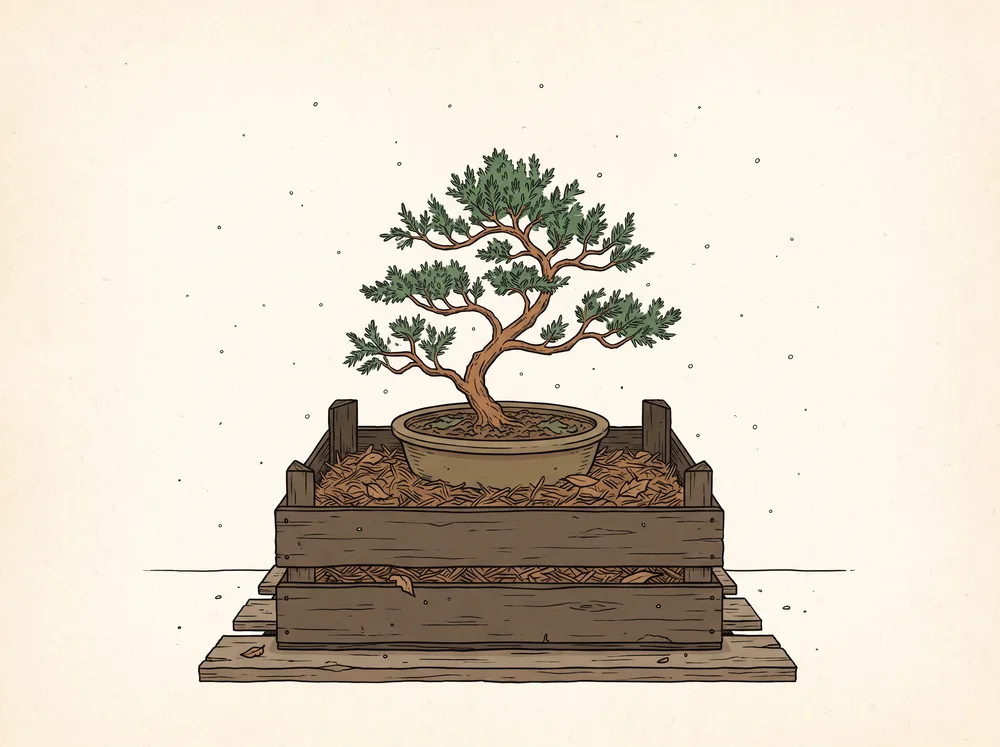
Stage it instead:
- Weeks 1-3: cold but sheltered. An unheated garage, shed, or enclosed porch holding roughly 25-45°F, with whatever daylight it offers. This lets the tree re-harden gradually.
- After 2-3 weeks: outside, in a spot sheltered from wind, with the pot protected — set it inside a larger box or crate packed with mulch or leaves, sitting on soil or wood rather than bare concrete.
- Water lightly all winter. Dormant junipers still need moist roots. Check weekly; water when the surface is dry, on days above freezing.
No garage? The balcony variant. Re-harden it in your coldest space — an unheated stairwell or a spare room with the heat off and the window cracked, ideally 35-50°F — for 2-3 weeks. Then move it to a balcony corner against the building wall, out of the wind, pot insulated in that mulch-packed box and raised off bare concrete. The wall-side corner runs several degrees warmer than the open rail, and that microclimate is the difference that matters.
If it's already spring — nights reliably above freezing — skip the staging and put it outside in morning sun today.
Your first 30 days, week by week
The winning move this month is restraint. Here's the whole plan:
Week 1 — location and rhythm. Identify the tree, put it in the right place, and learn the finger test: push a fingertip 1/2 inch into the soil each morning. Dry at that depth: water slowly until it runs from the drainage holes. Still damp: wait. That one habit prevents the two biggest first-month killers.
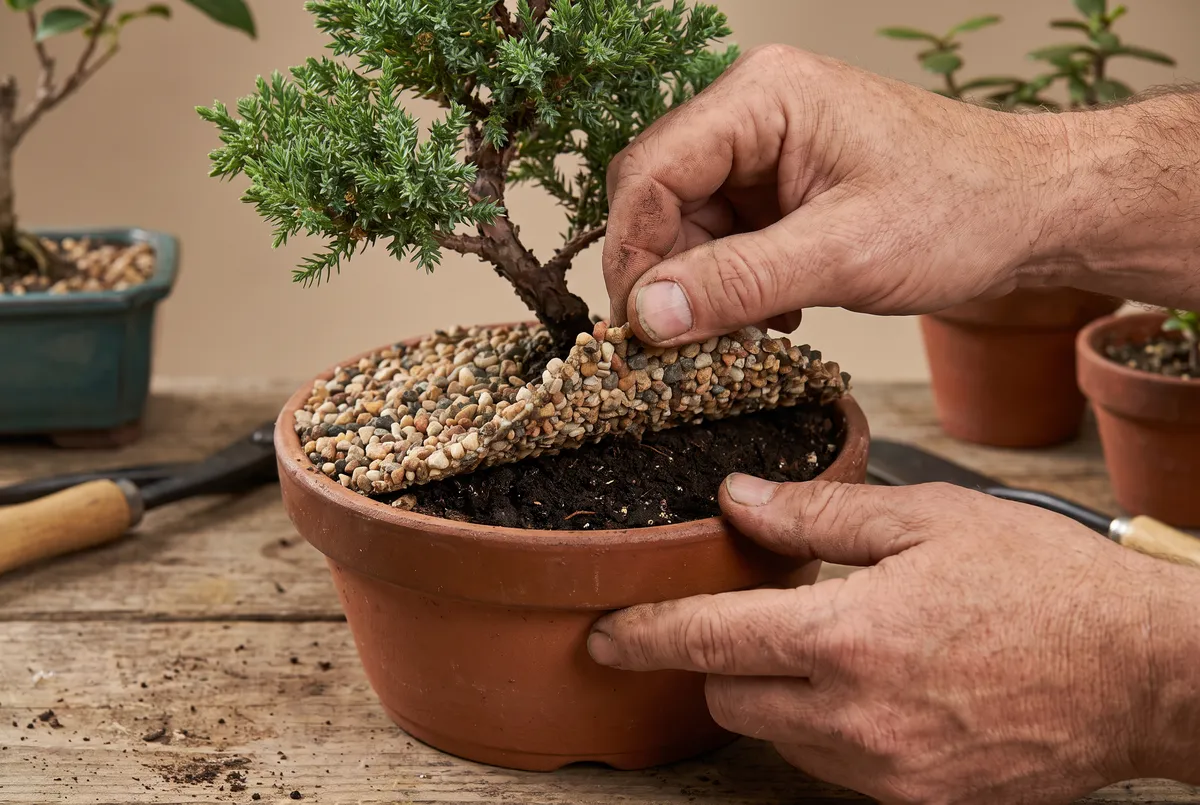
Week 2 — small fixes only. If the soil is sealed under glued gravel, pry the crust off gently so water can actually reach the roots — the one change worth making now. Confirm water exits the bottom of the pot; if there's no drainage hole, slip the tree out and into a draining pot, roots untouched.
Week 3 — steady as it goes. Expect some leaf drop from a tropical adjusting to your home, and don't chase it around the house — pick the bright spot and hold. A juniper on the staging plan graduates from garage to sheltered outdoors around now.
Week 4 — first real look. New leaf tips on a ficus, held color on a juniper, flowers hanging on a fukien tea: signs you've won the month. Now read your species' full care page and put its specific watering and light numbers on autopilot.
Not on this list: repotting, pruning, wiring, fertilizing. All of it waits until the tree is established and the season is right — spring, for most of it. A gift tree needs a stable month, not a makeover.
What this means for your first 30 days
Identify the tree today, move it to the right spot by tomorrow, and water by the finger test instead of a schedule. That's genuinely the whole month — gift bonsai mostly die of the wrong room or drowned roots, and you've now ruled out both.
Whoever gave you this tree handed you a live thing that can outlast the card it came with. A $30 kiosk juniper is a real bonsai, and some very good trees started exactly there. If something looks off in the weeks ahead — leaves dropping, foliage browning — the symptom pages will meet you calmly. Welcome in.
Species mentioned here
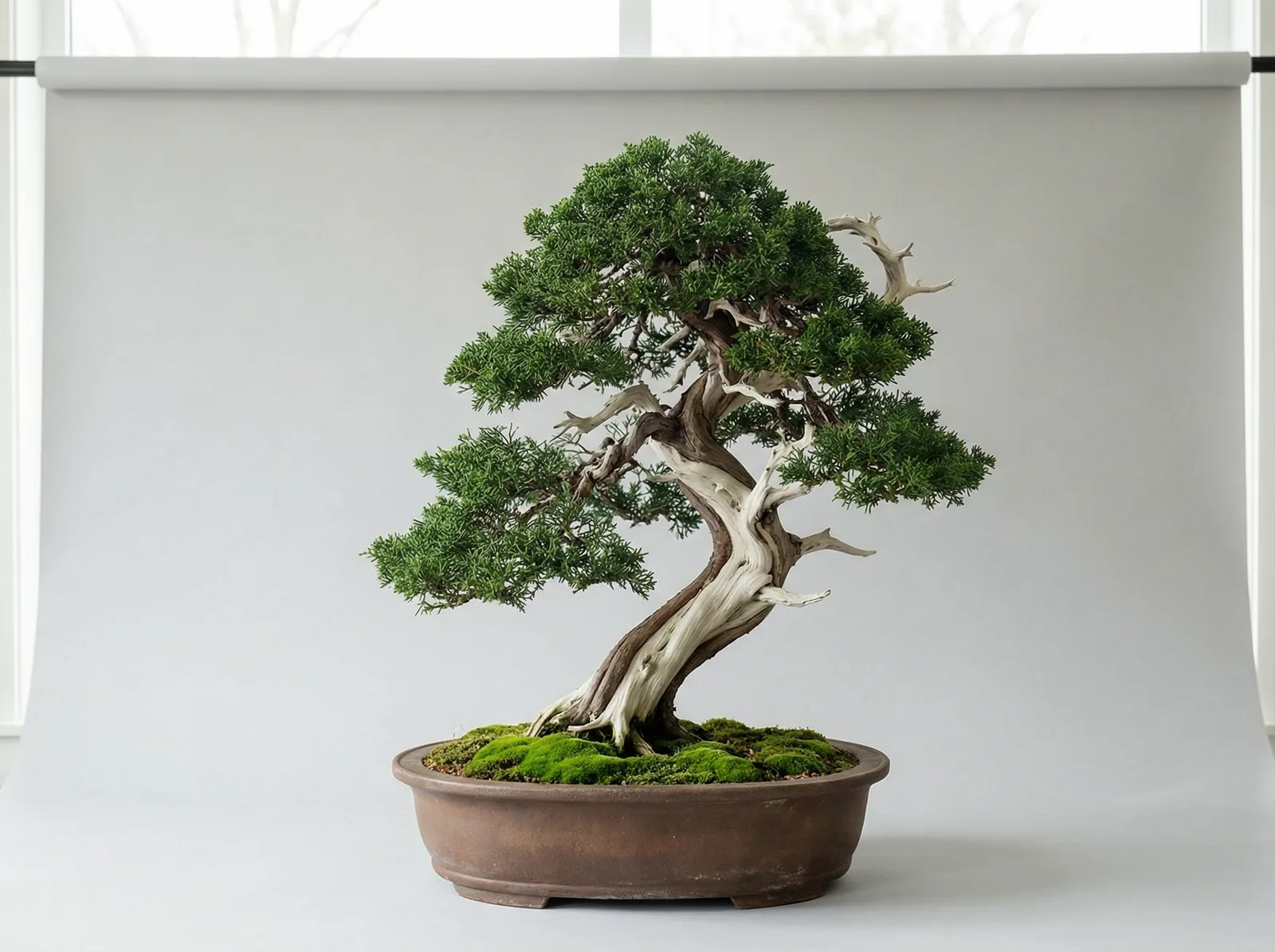
Juniper Bonsai
- care
- beginner
- light
- full sun
- zone
- 4–9
Ficus Bonsai
- care
- beginner
- light
- bright indirect
- zone
- 10–12
Fukien Tea Bonsai
- care
- intermediate
- light
- bright indirect
- zone
- 10–12
Money Tree Bonsai
- care
- beginner
- light
- bright indirect
- zone
- 10–12
Hawaiian Umbrella Bonsai
- care
- beginner
- light
- bright indirect
- zone
- 10–12
More on “Got a bonsai as a gift? Your first 30 days”
Keep reading