Do bonsai trees need direct sunlight?
Short answer
Most do — but not all. Outdoor species like juniper, pine, and maple need several hours of direct sun a day and decline without it. Indoor tropicals like ficus and money tree do fine in bright, indirect light near a window. The single most common beginner mistake is putting a sun-loving outdoor tree on an indoor shelf. Match the tree to your light.
Sun-lovers vs shade-tolerant
There's no one light rule for bonsai because “bonsai” isn't one plant — it's dozens of species with different needs. Use the lookup below to check yours. The rough split:
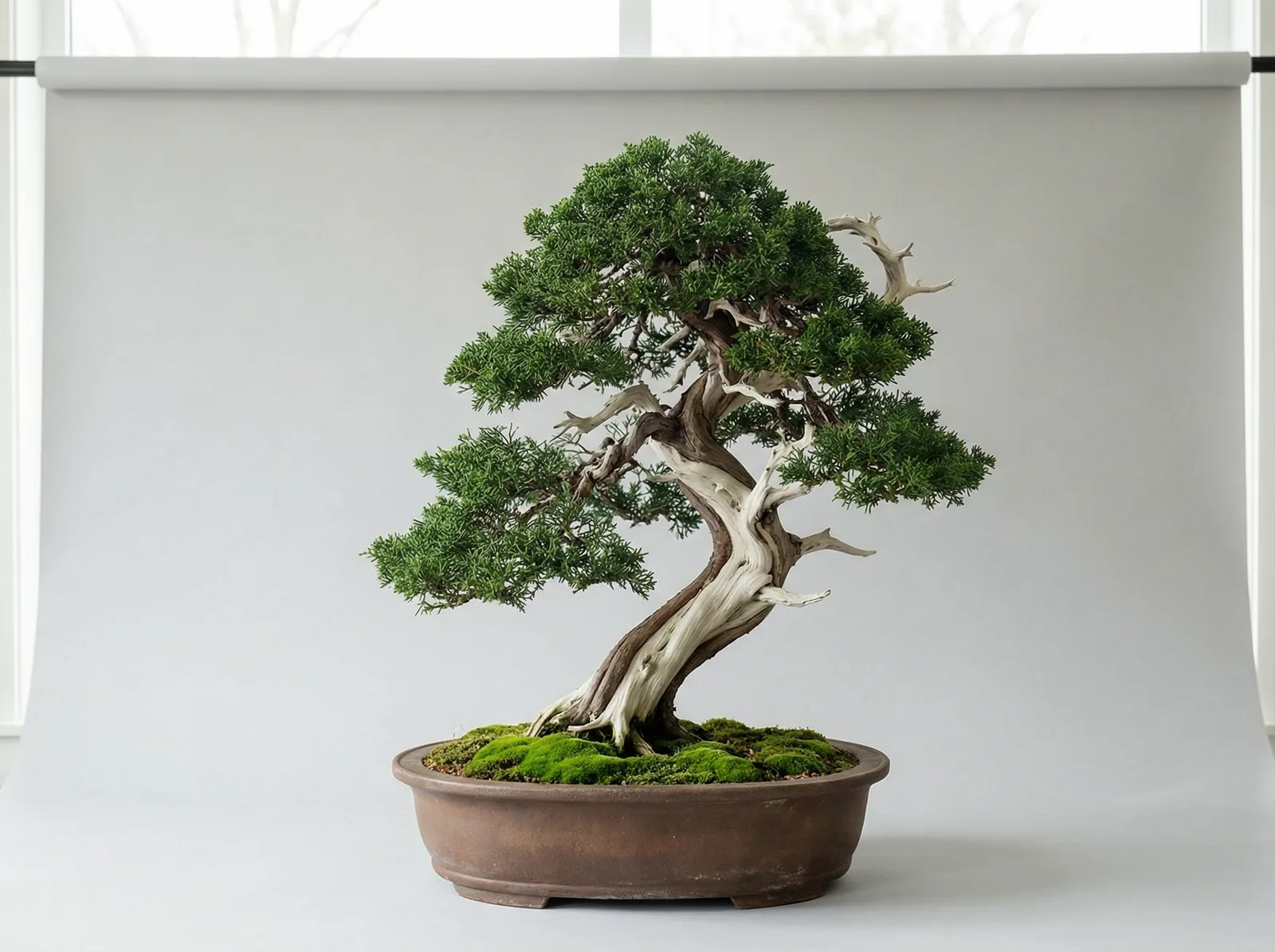
- Full-sun trees — junipers, pines, olives — want 5–6+ hours of direct sun and get weak and leggy without it.
- Partial-shade trees — Japanese maples, azaleas — want sun but scorch in harsh afternoon heat.
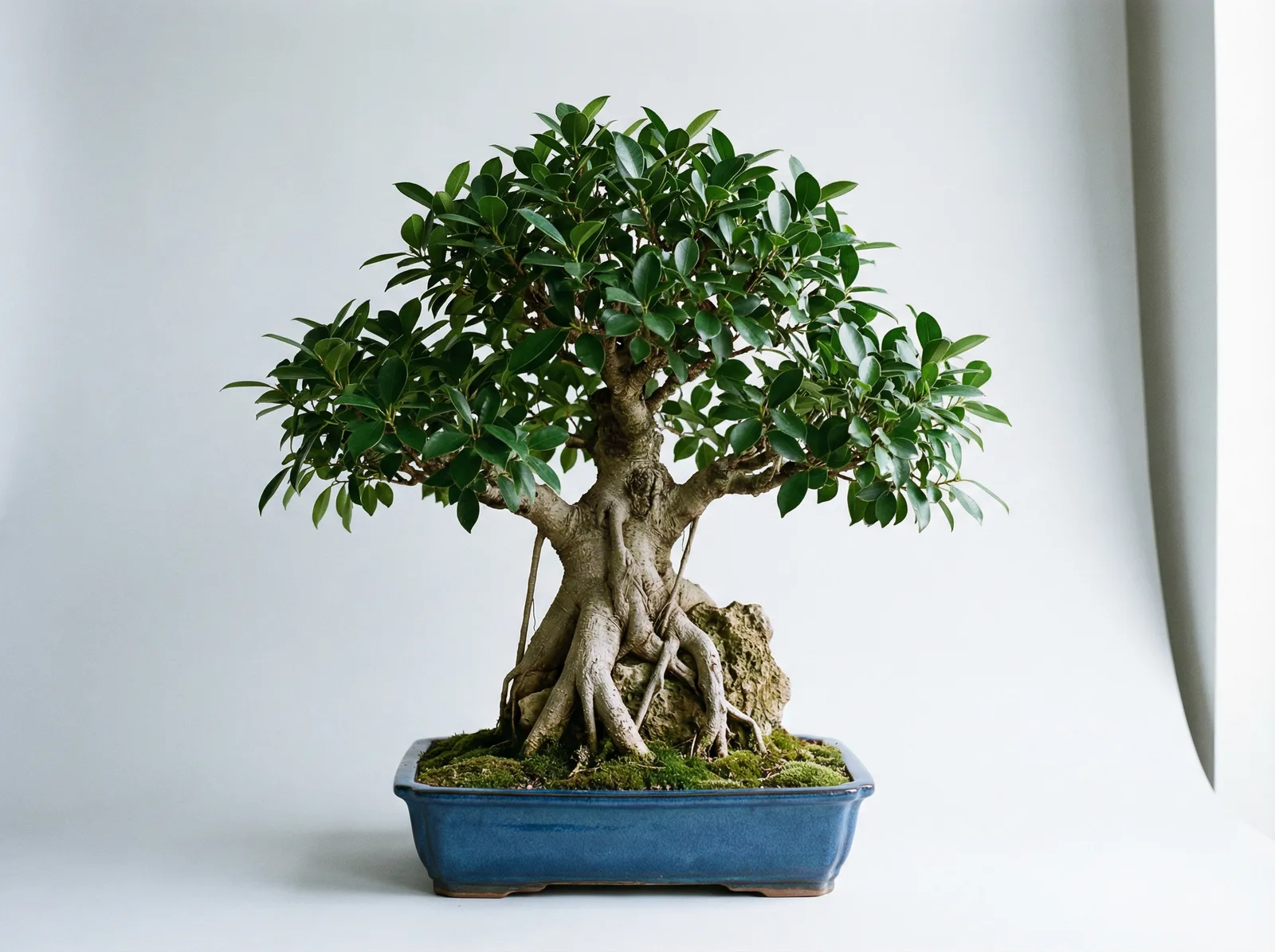
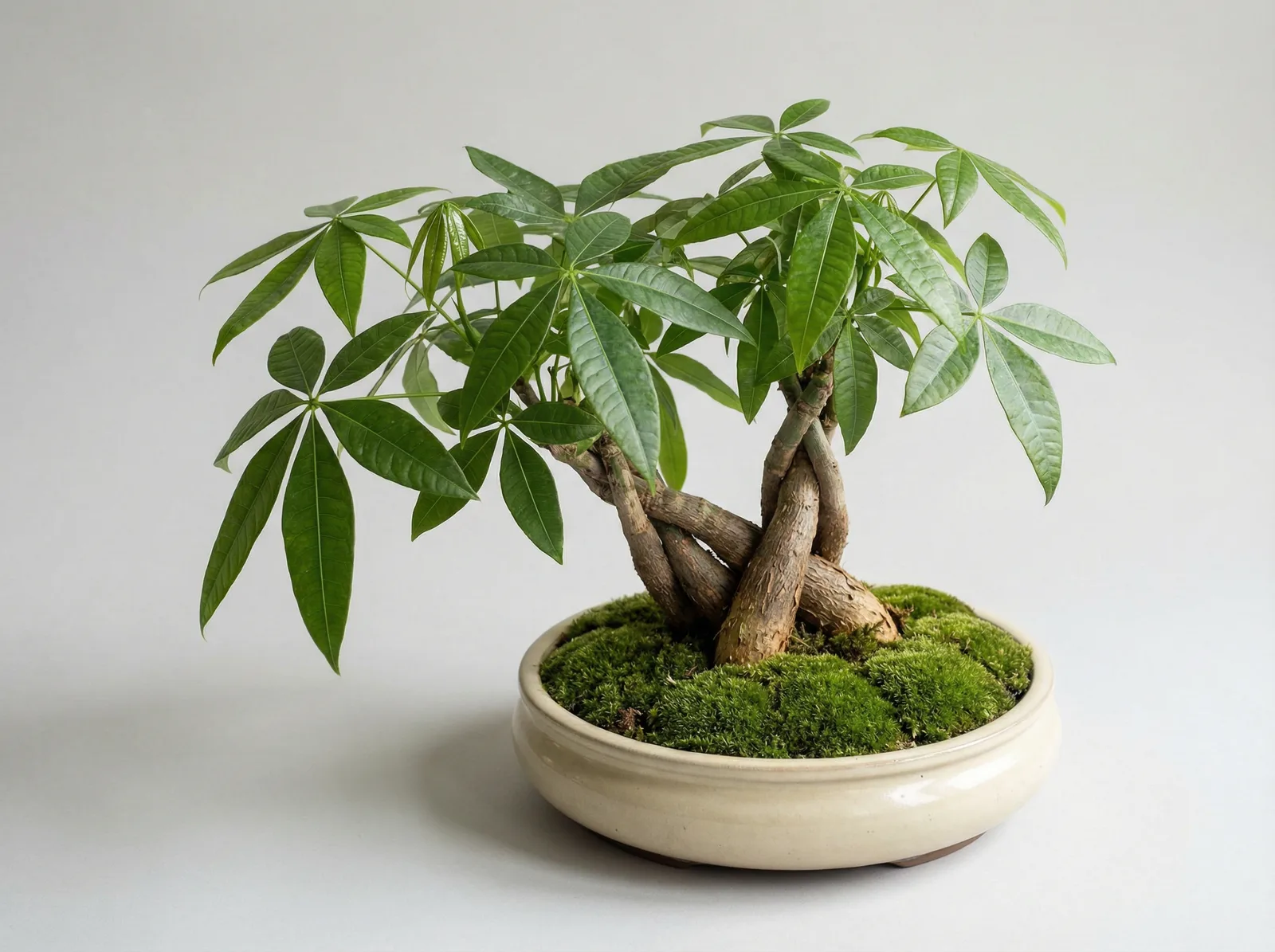
- Bright-indirect trees — ficus, money tree, carmona — the indoor tropicals, happy near a bright window without blazing direct sun.
The juniper-on-a-shelf problem
Here's the heartbreak we see most, and we won't soften it: junipers are not indoor trees. They're sold in cute pots at mall kiosks with no warning, they get set on a desk or a bookshelf, and they die slowly over two or three months while looking deceptively green the whole time.
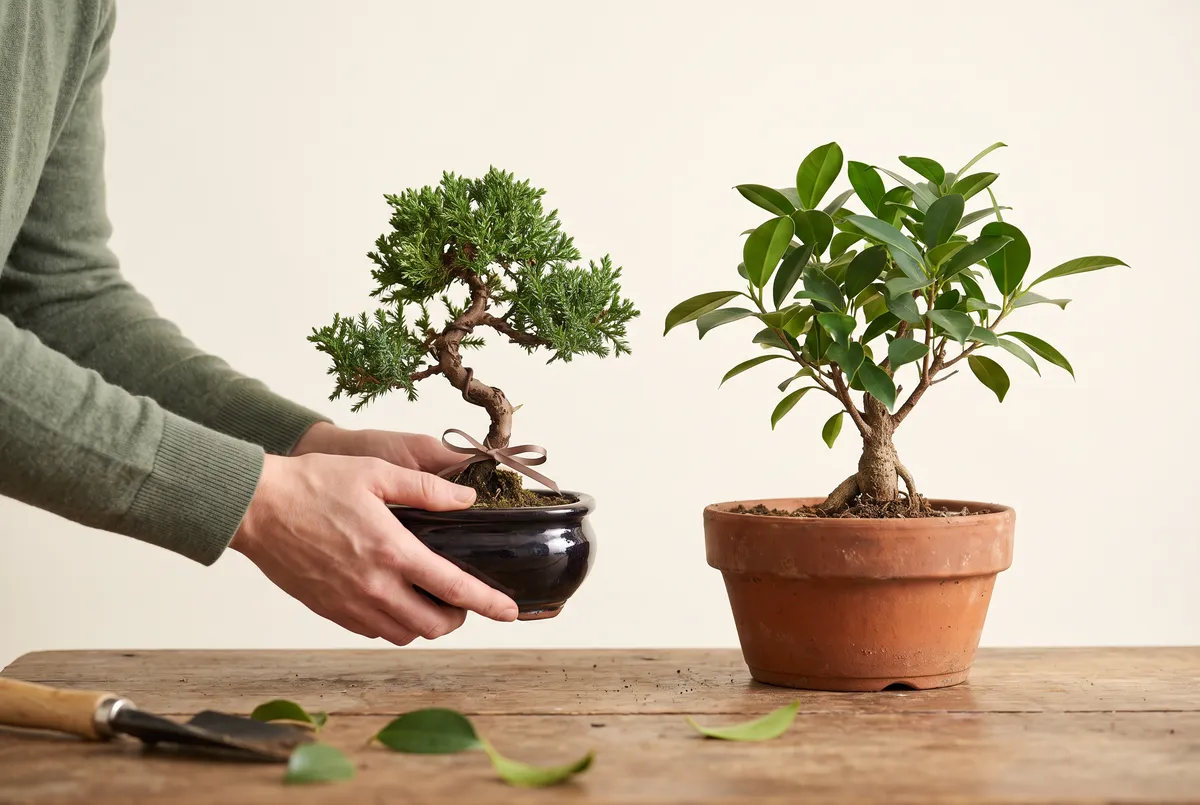
A juniper needs real, direct outdoor sunlight and a cold winter dormancy. Kept inside, it's starving in slow motion — by the time the foliage grays out, it's usually too late. The label set you up: nothing on that cute pot said “outdoor only,” so the mistake belongs to the seller, not to you. If you want a tree that genuinely lives indoors, get a ficus or Chinese elm instead.
How much light is “enough”?
For outdoor species, aim for a spot that gets several hours of direct sun — a south- or west-facing position outdoors is ideal in the Northern Hemisphere. For indoor tropicals, the brightest windowsill you have, ideally south- or east-facing, gets you most of the way.
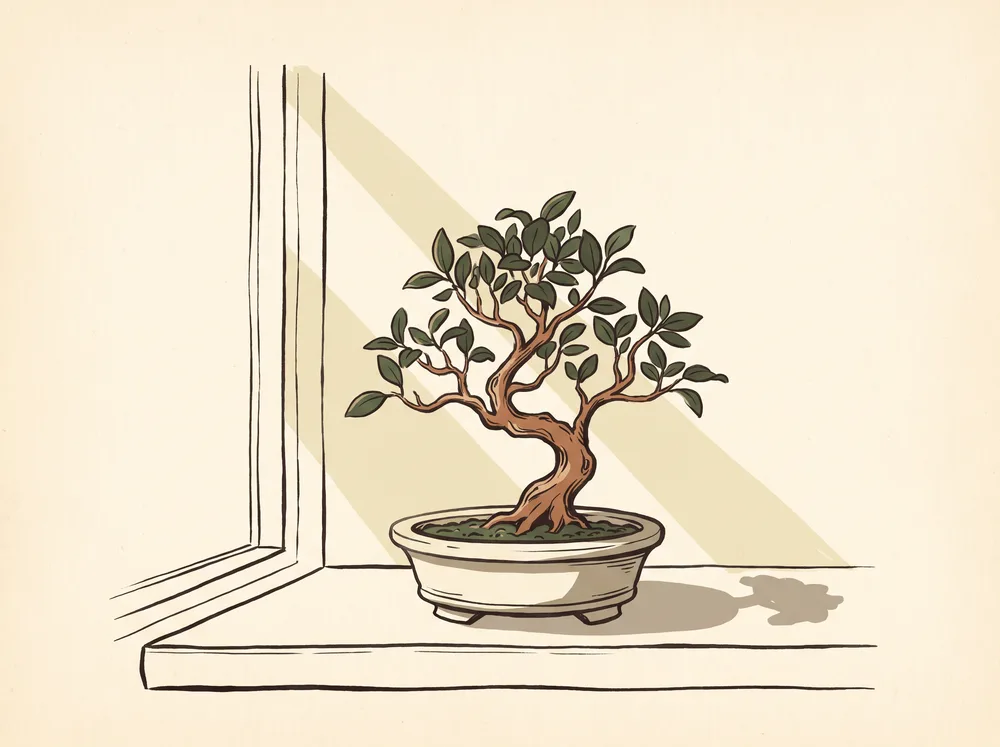
If your light is genuinely poor, a grow light works and we won't be snobby about it — a basic LED plant light on for 10–12 hours a day can keep an indoor tree healthy. What a grow light can't do is replace the outdoor conditions and winter cold that a juniper or pine needs. Some trees just have to be outside.
Signs your tree isn't getting enough
Trees tell you when the light is wrong. Watch for stretched, leggy new growth reaching toward the window; long gaps between leaves; pale or weak color; and dropping inner leaves. On conifers, a slow graying or browning after weeks indoors is a bad sign.
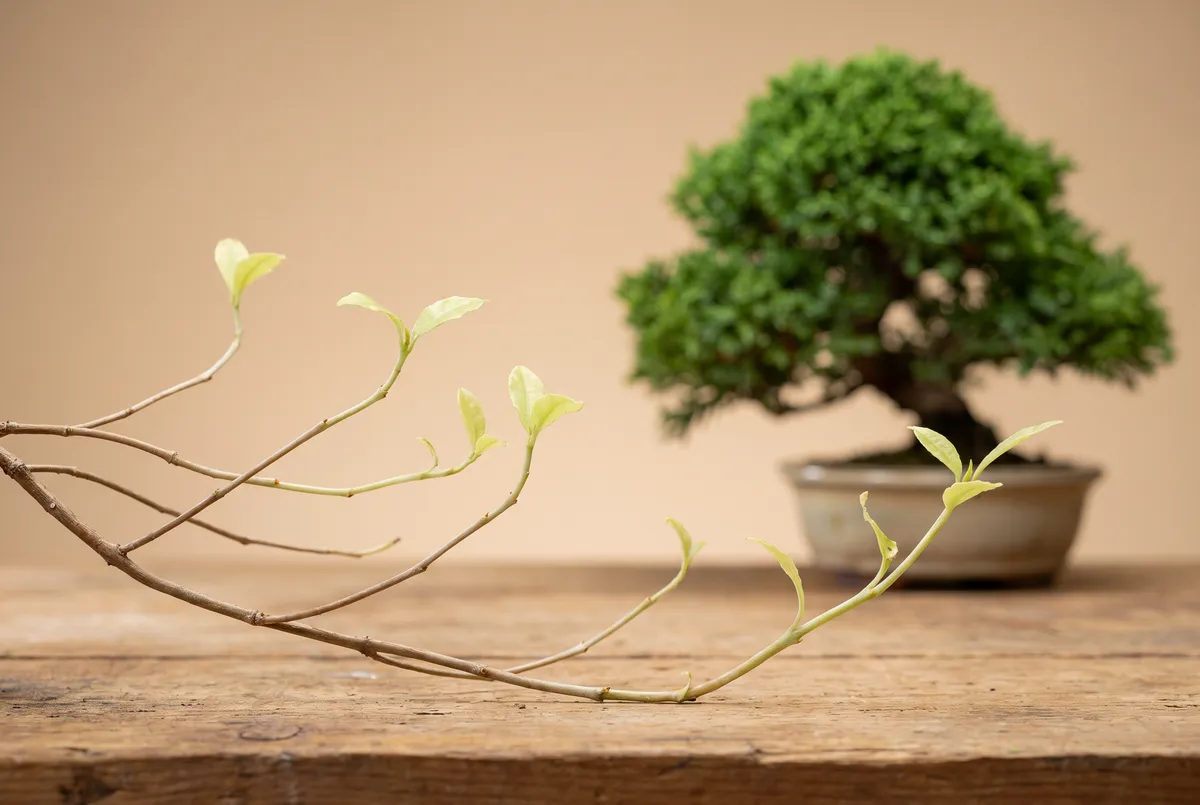
The fix is usually just “more light,” applied honestly — move it to a brighter window, put it outside for the season, or add a grow light. If the symptoms have you worried it's more than light, our species pages walk through the common problems tree by tree.
What this means for your tree
Before anything else, answer one question: is your tree an indoor or an outdoor species? That single fact determines where it lives and how much sun it needs, and getting it wrong is the fastest way to lose a tree.
Once you know, give it the brightest spot that fits its type, and watch how it responds over a couple of weeks. Light is one of the two habits — watering is the other — that decide whether a beginner tree makes it.
Species mentioned here
More on “Do bonsai trees need direct sunlight?”
Keep reading