Are bonsai trees hard to care for?
Short answer
Not as hard as their reputation — if you pick the right species. The hard part isn't pruning or wiring; it's watering consistently and not putting an outdoor tree indoors. A Chinese elm or ficus forgives a lot. A pine or maple asks more. Match the tree to how much attention you actually have, and bonsai is a manageable hobby, not a second job.
Beginner 19 · Intermediate 30 · Advanced 4 — of the 53 species we cover
Answer all three to see how hard bonsai would actually be for your situation.
What's actually hard about bonsai
The reputation says bonsai is a fussy, expert-only art. The reality is that two unglamorous things account for most beginner failures, and neither is a skill you're born with.
The first is watering consistently — a small pot dries fast, so the tree needs a daily glance. The second is right-tree-right-place: most “black thumbs” are really a sun-loving juniper stuck on an indoor shelf. Get those two right and the scary-sounding stuff — pruning, wiring, styling — is optional, forgiving, and honestly the fun part. You can keep a tree alive and healthy without ever wiring a branch.
The forgiving species
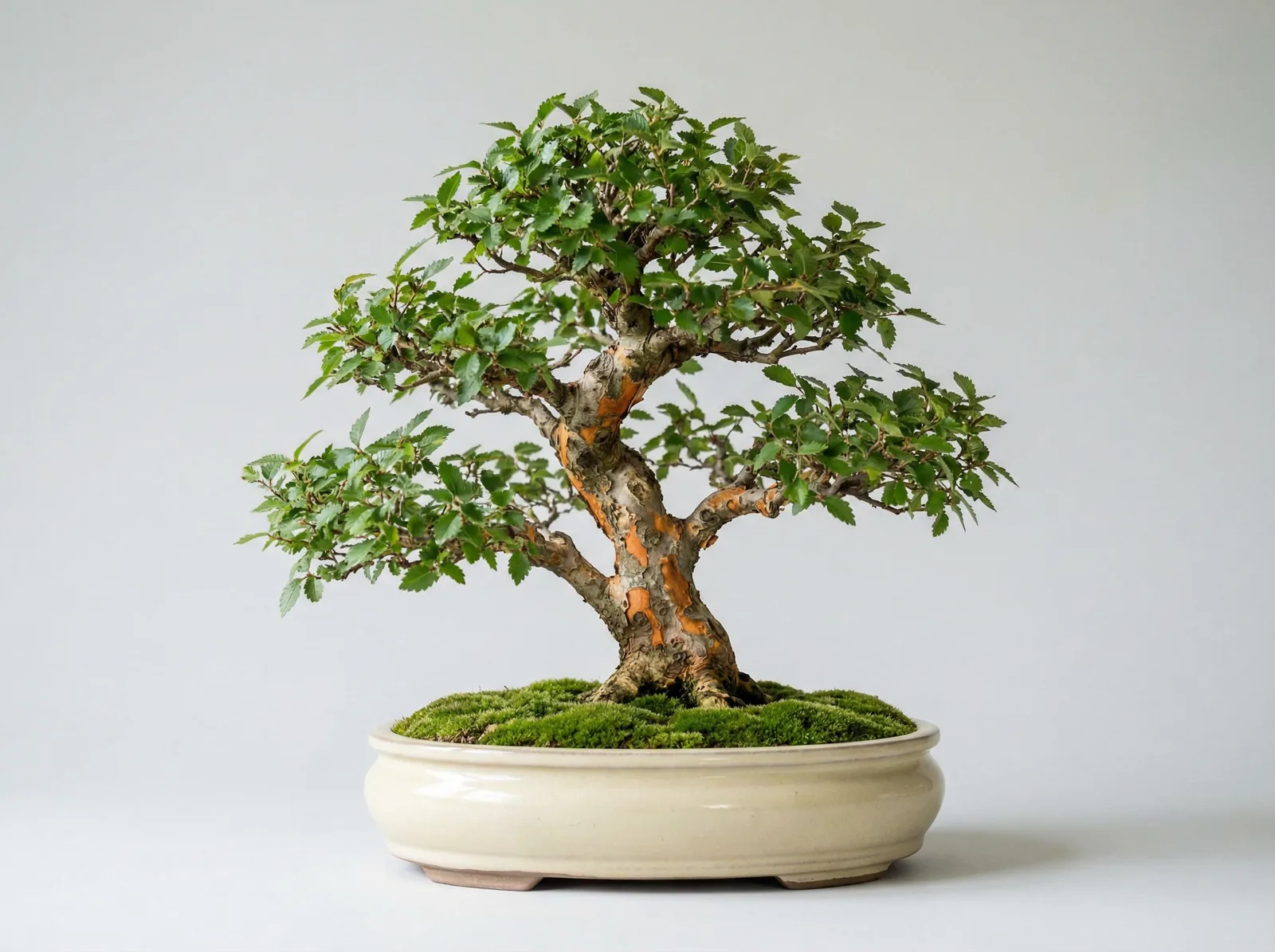
Difficulty in bonsai is mostly a species choice, and some trees are genuinely hard to kill. Our top pick, and it's not close, is the Chinese elm — it tolerates indoor or outdoor life, bounces back from pruning mistakes, and tells you clearly when it's thirsty.
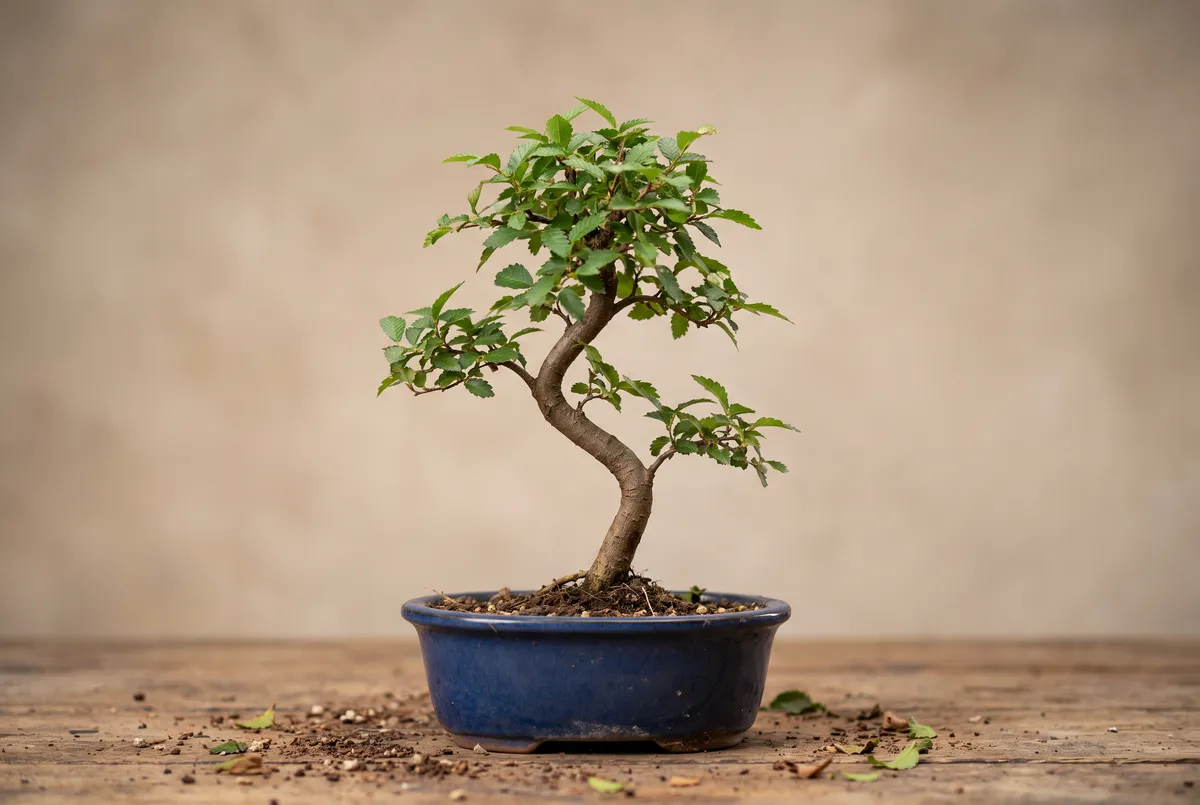
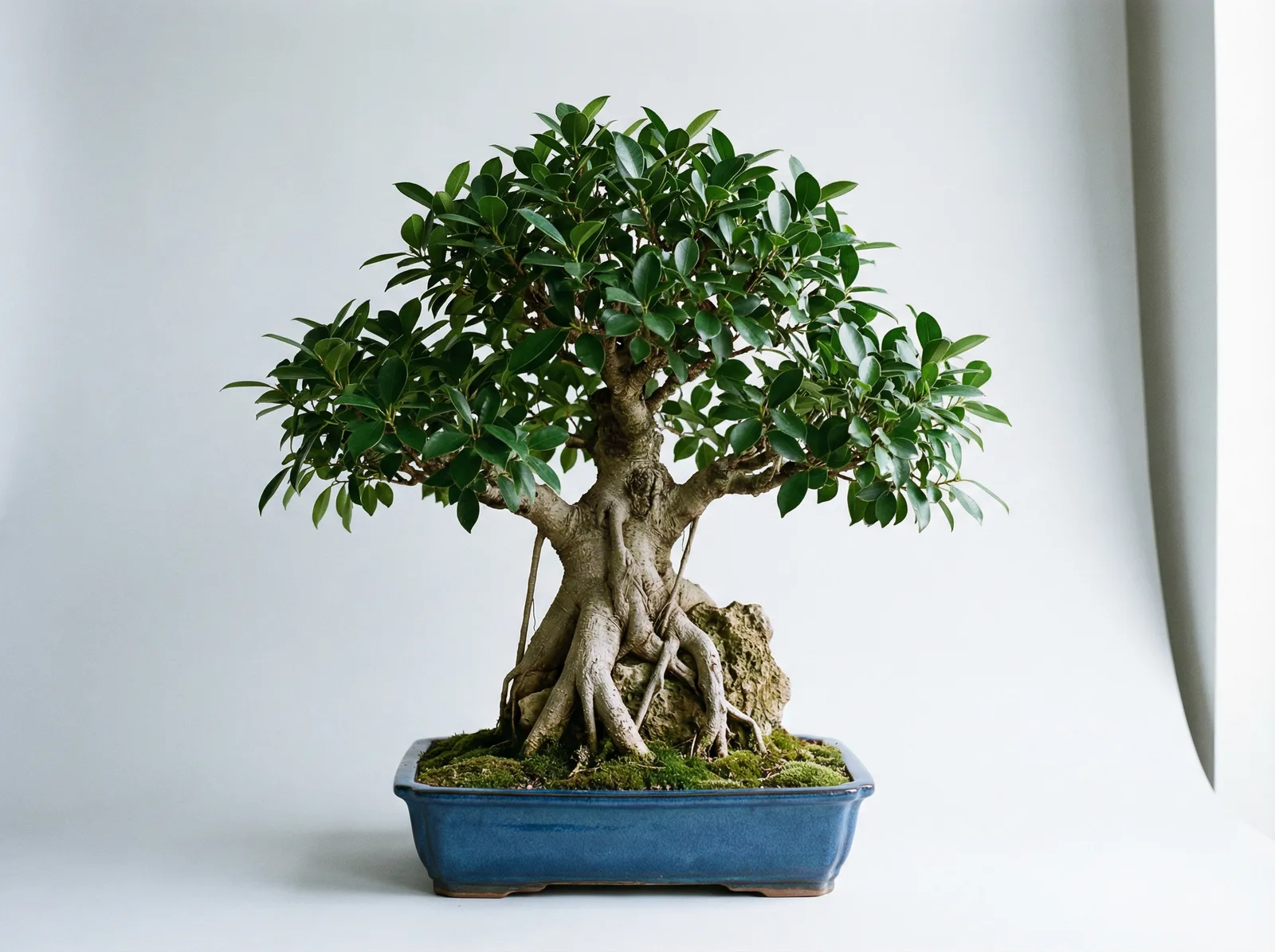
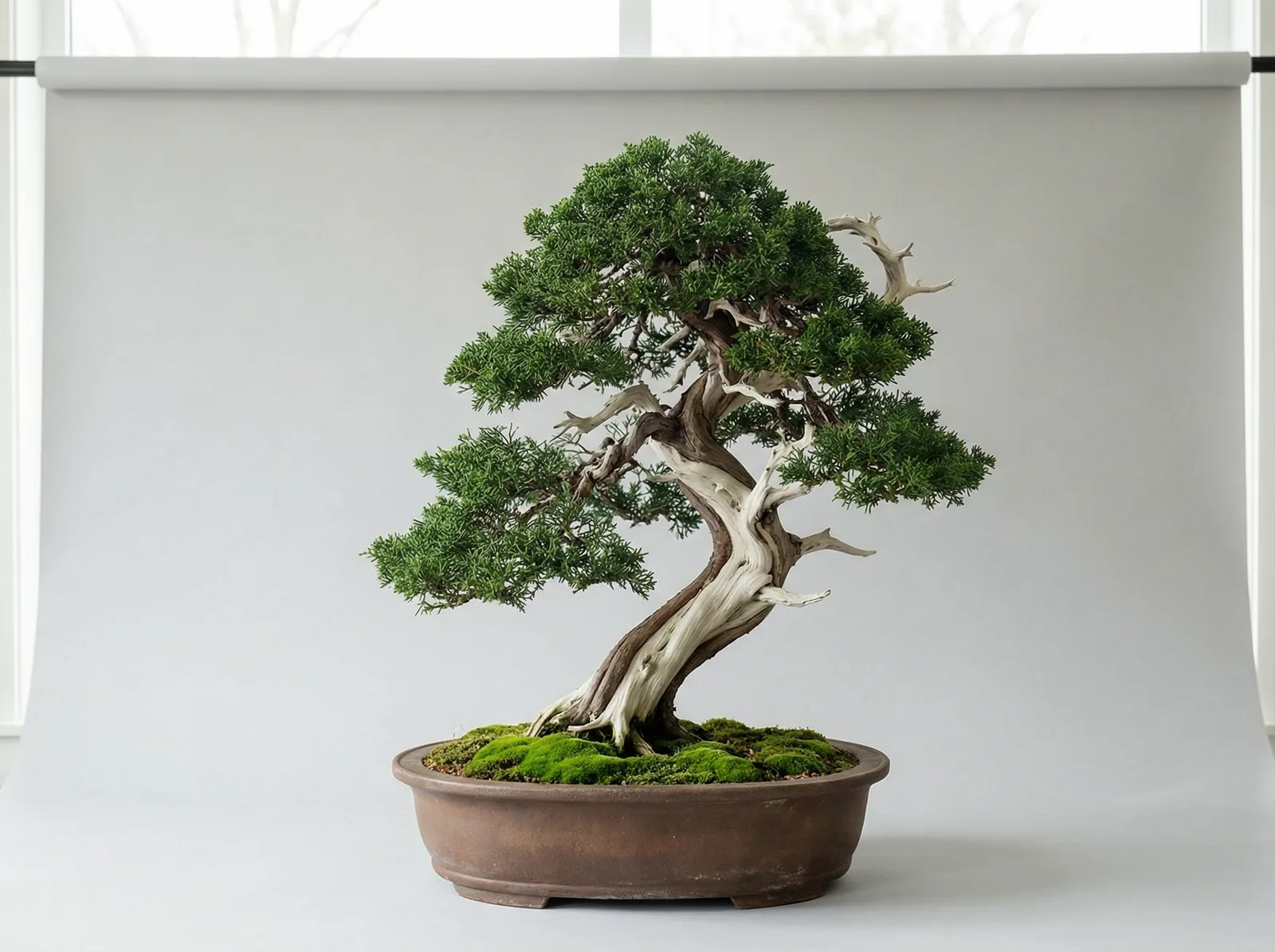
Right behind it: ficus, the most forgiving true indoor tree; jade, a succulent that would rather you forgot to water it; and Chinese juniper, rugged and cheap as long as you keep it outside. Toggle the scorer below to see how a beginner-friendly species stacks up against your situation.
The demanding species
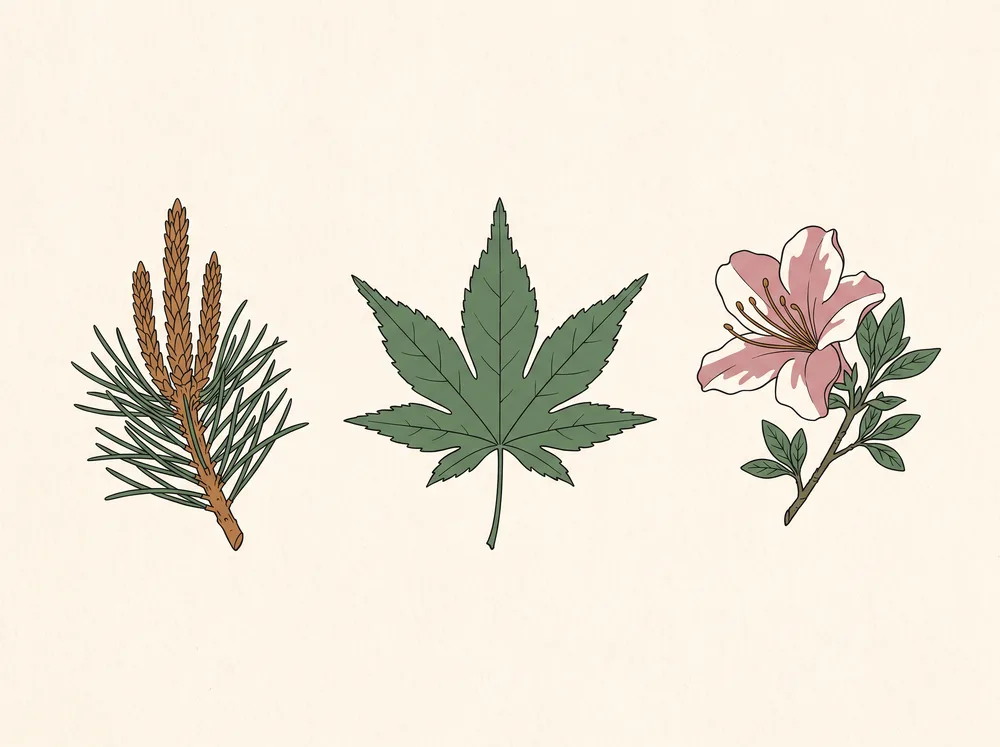
Some trees earn the “hard” reputation, and it's fair to name them so you go in eyes-open. Pines and white pine have particular needs around candle pruning and timing. Japanese maples scorch in harsh sun and need careful watering. Satsuki azaleas are gorgeous and genuinely finicky about water quality and soil.
None of these are impossible — plenty of beginners grow them — but they punish missed waterings and timing errors more than an elm does. If this is your first tree, we'd steer you to a forgiving species first and let you graduate to these once the watering habit is automatic.
How much time it really takes
Less than people fear. In the growing season, daily care is a 30-second soil check and, when needed, a few minutes to water. Pruning is a seasonal task — an hour here and there, not a daily one. Repotting happens once every year or two.
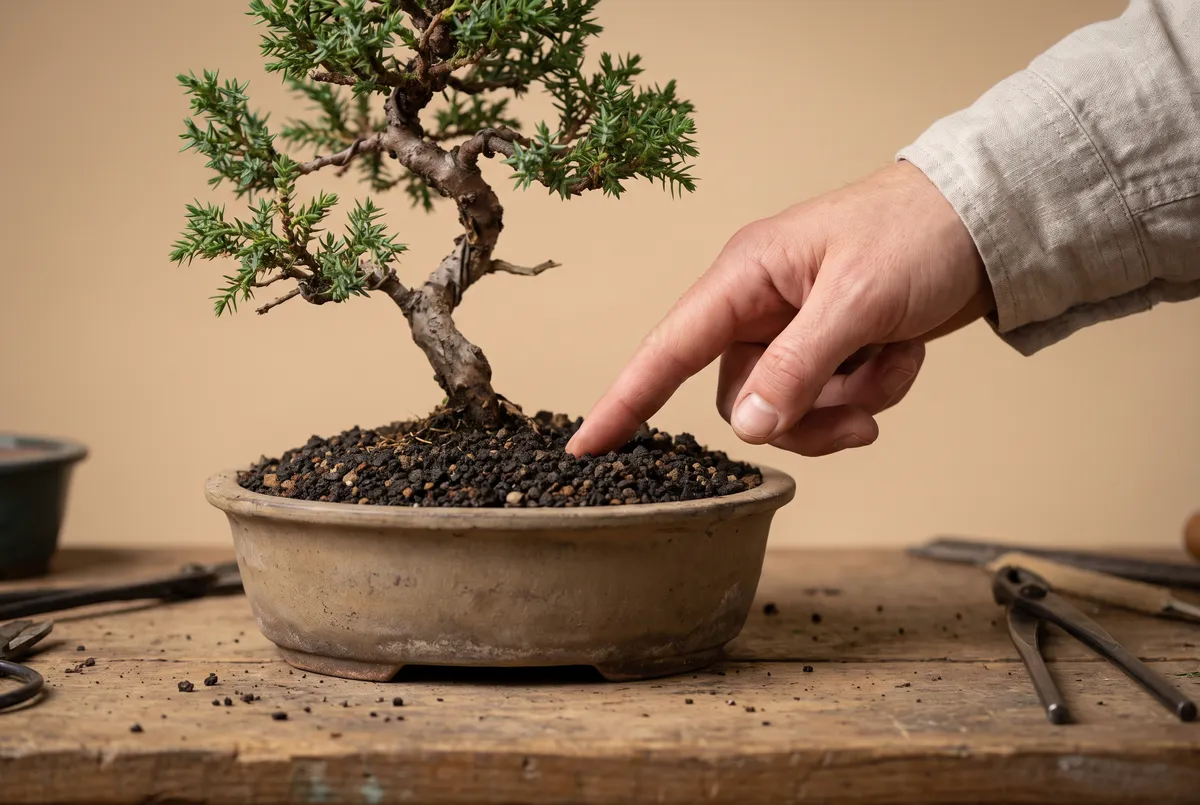
The honest catch is that the daily check is genuinely daily in summer — you can't skip a hot week and you can't fully automate it, though grouping trees and good soil helps. If you travel constantly and can't get a plant-sitter, that's the one real reason bonsai might not fit your life. Otherwise, it asks for minutes, not hours.
What this means for your tree
If you're deciding whether to start: you can absolutely do this. Buy a forgiving species, learn the watering habit, put the tree where its light needs are met, and you've cleared the two hurdles that matter.
Start with a beginner tree rather than a demanding one, and don't let the wiring-and-styling mystique scare you off — that's the optional, rewarding layer you add once the basics are second nature. Bonsai is patient, not hard.
Species mentioned here
More on “Are bonsai trees hard to care for?”
Keep reading