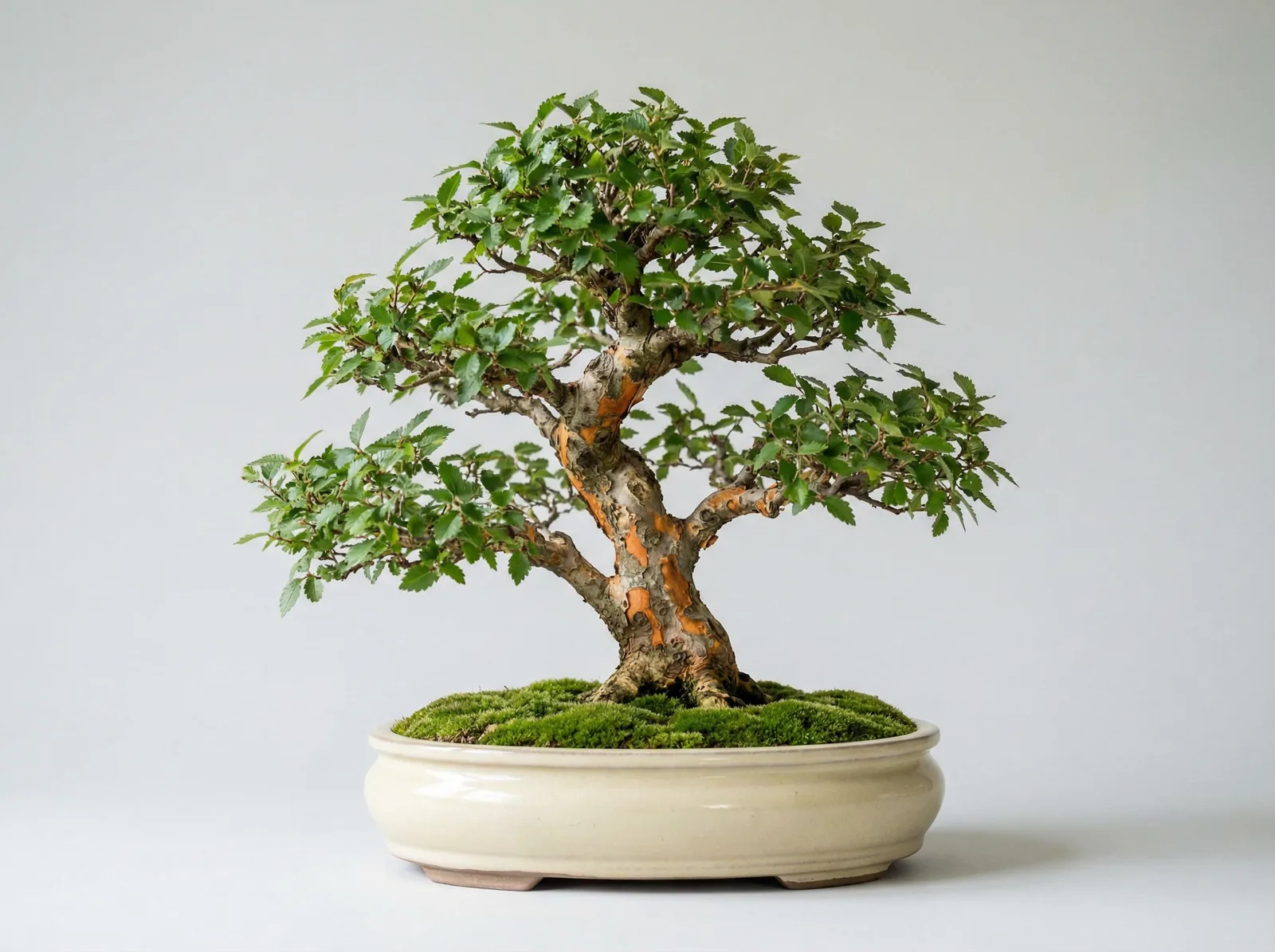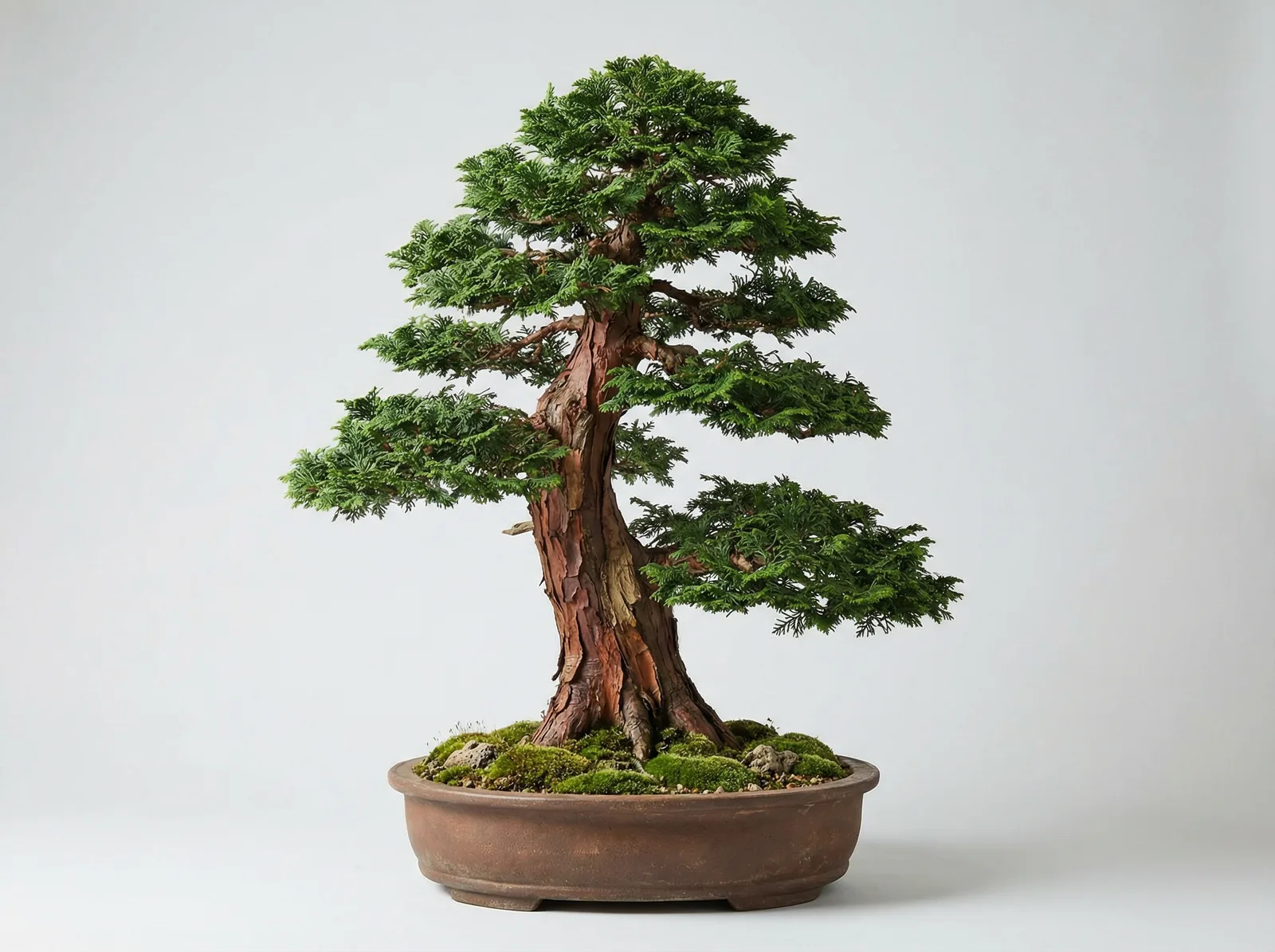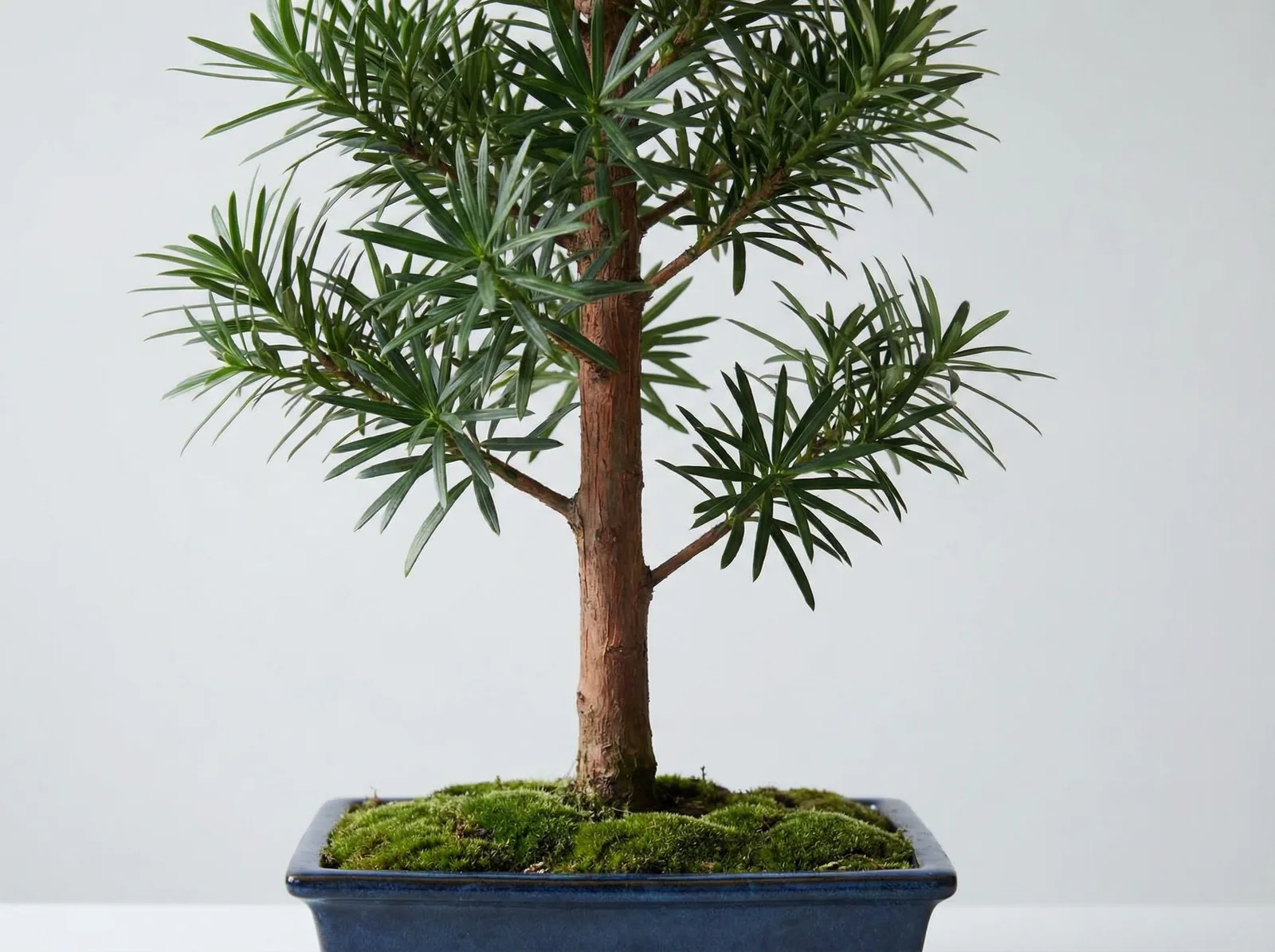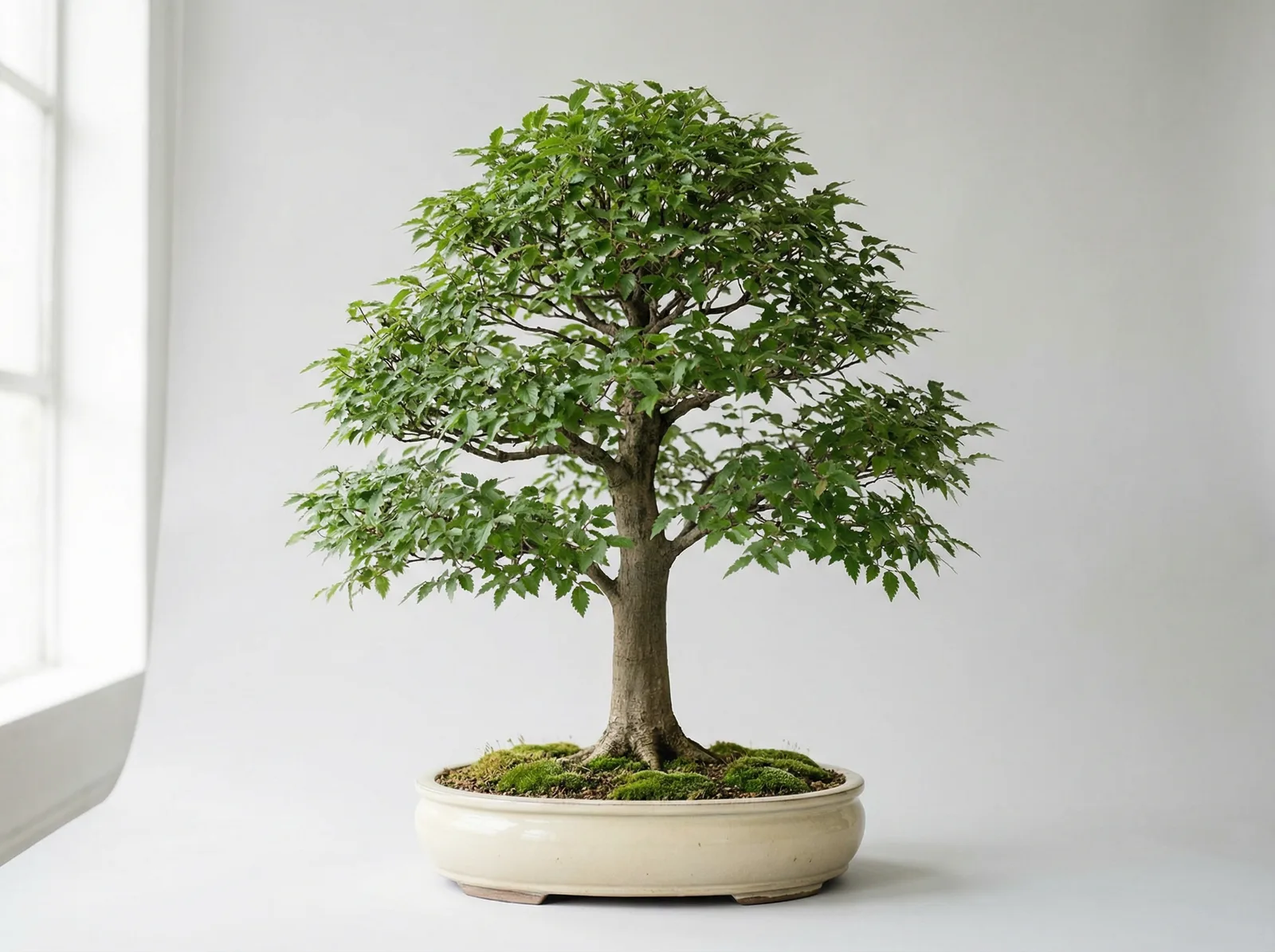
Taxodium distichumoutdoor
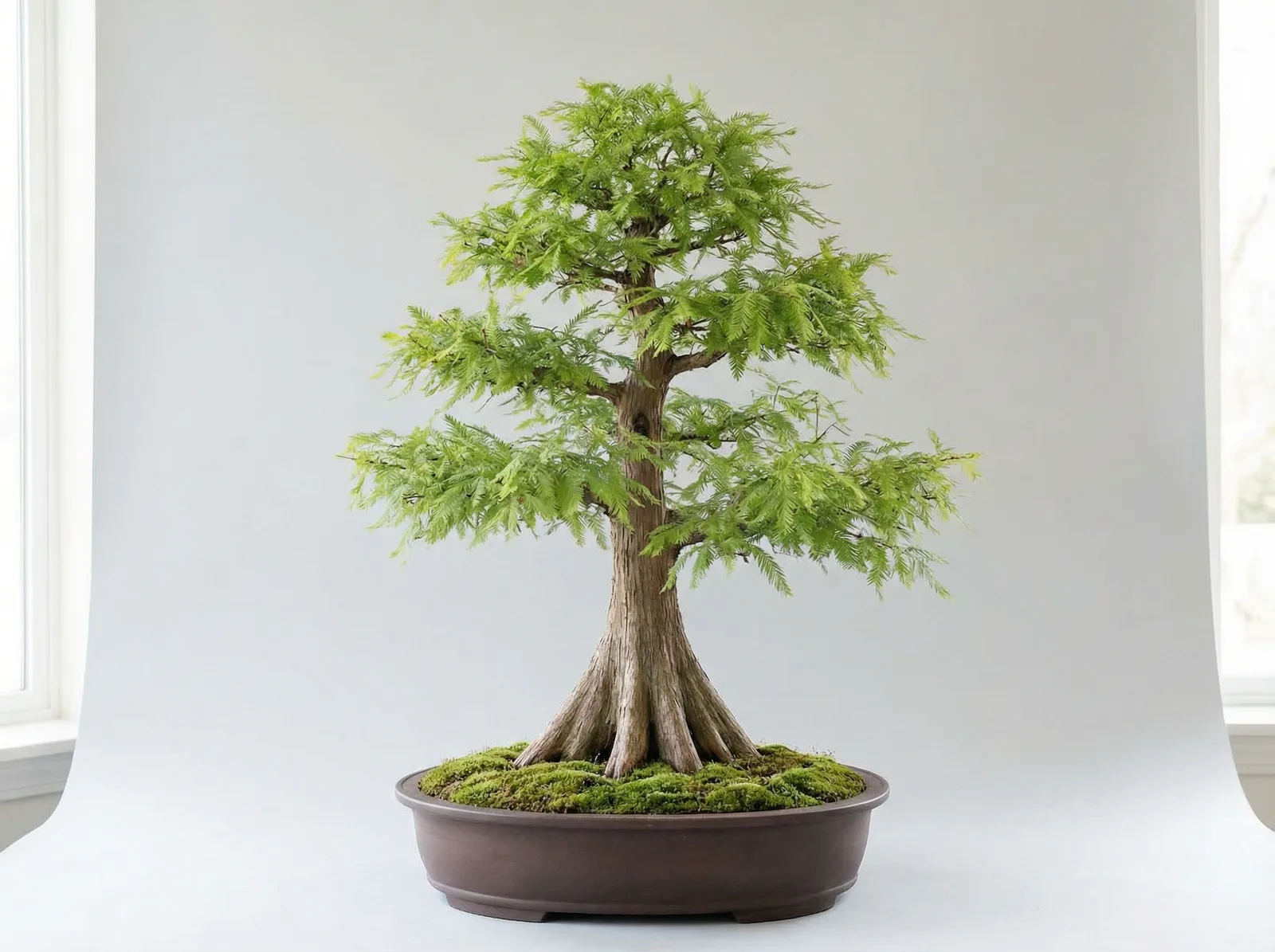
Bald Cypress Bonsai
- care
- intermediate
- light
- full sun
- zone
- 4–10
Juniperus chinensis · Cupressaceae
Why grow it
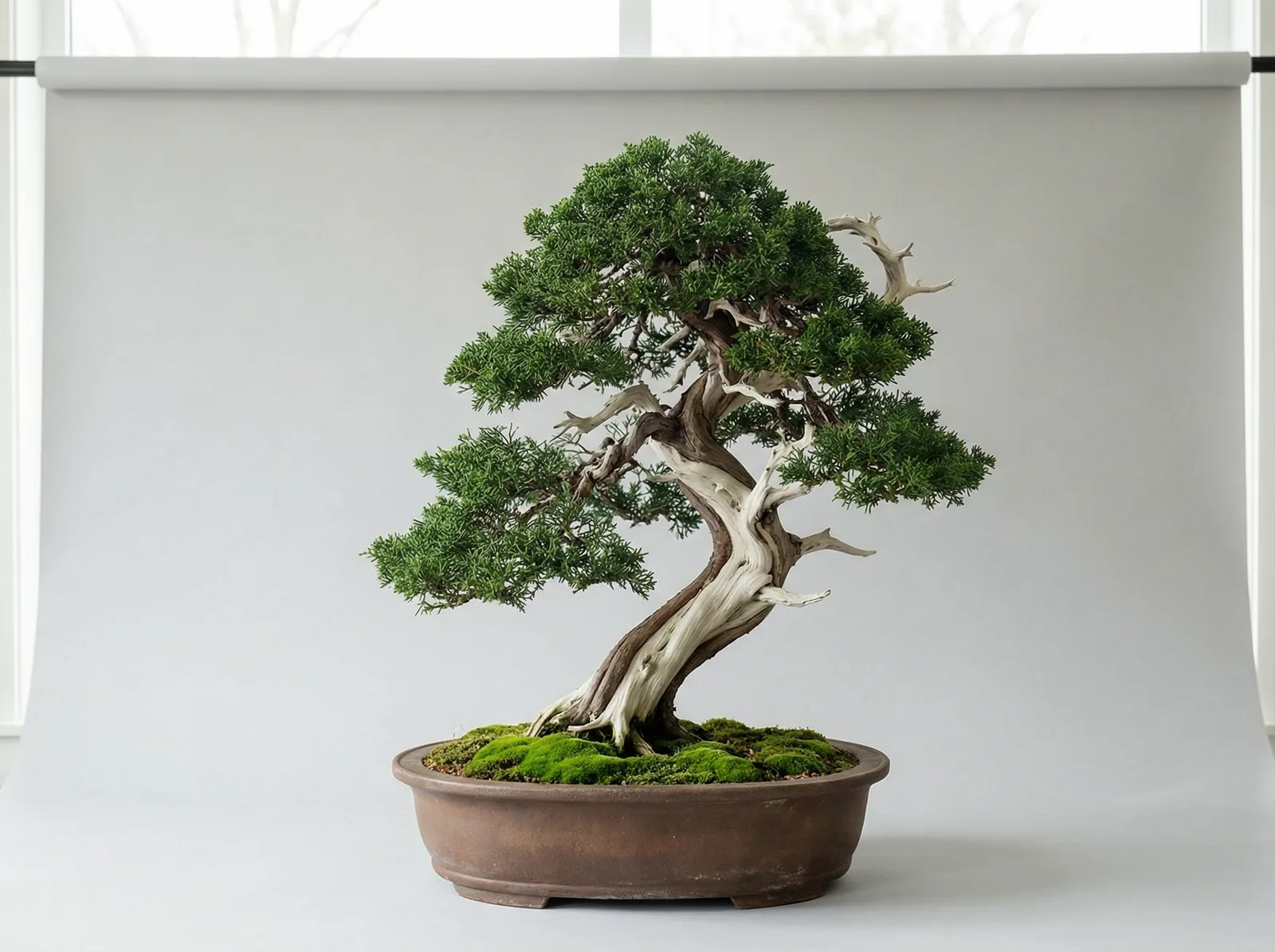
There's a reason every bonsai collection starts with a juniper. They're hard to kill, quick to respond, and they look good doing it. Juniperus chinensis varieties like 'Shimpaku' and 'Itoigawa' have been winning shows for decades because of their tight foliage and willingness to be bent into wild shapes.
The real magic is deadwood. Jin and shari on a mature juniper can make a $50 nursery tree look like it survived a century on a mountain ridge. That bleached-white, twisted deadwood against dark green foliage? Nothing else in bonsai comes close.
But here's what nobody tells beginners: this is an outdoor-only tree. Full stop. Your sunny windowsill won't cut it. Junipers need freezing winters and hot summers. They need rain and wind. Bring one inside and it'll look fine for three months, then quietly die on you. If you don't have outdoor space, pick a ficus instead.
The routine
Stop bringing your juniper inside. This one rule outranks everything else on this page. Every winter, forums fill up with "my juniper is turning brown" posts, and the answer is always the same: it was indoors. These trees need winter dormancy below 40°F for 8-12 weeks. No exceptions. If you live in a studio apartment with no balcony, a juniper isn't your tree.
Watering trips people up because juniper foliage stays green even when the roots are bone dry. By the time it looks thirsty, it's already in trouble. Stick your finger half an inch into the soil every morning. Damp? Leave it. Dry? Water thoroughly until it runs out the drainage holes. In July heat, that's daily. In January, maybe once a week. Your climate dictates the schedule, not a calendar.
Juniper looking rough right now?Skip to common problems below, or start with the symptom guide.For soil, mix 50% akadama with 25% pumice and 25% lava rock. Some growers throw in pine bark fines, and that works too. The point is fast drainage with some moisture retention. If water pools on the surface for more than two seconds, your mix is too dense.
Feeding is forgiving. Scatter Biogold pellets on the soil surface every 4-6 weeks from April through September. Or use any balanced organic fertilizer. Skip a feeding? The tree won't care. Just don't blast it with synthetic fertilizer in summer heat—that can burn roots.
Spider mites are the one pest to watch for. Hot, dry weeks in August are prime conditions. Blast the foliage with a hose weekly as prevention. If you see fine webbing between the scale-like leaves, hit it with horticultural oil twice, a week apart.
Shaping
Juniper pruning advice flipped a decade ago, and a lot of the internet hasn't caught up. The old rule -- pinch every tip by hand, never use scissors -- turns out to weaken the tree: wholesale pinching strips out the growing tips a juniper needs to build strength. Modern practice (the shift traces to Michael Hagedorn and today's professional consensus) is to cut elongating shoots back to a healthy side shoot with sharp scissors. Where you cut is what matters: shear through the middle of a foliage pad and every severed scale leaf browns; cut back to a junction and the pad stays green. Save finger-pinching for the occasional wayward tip, not the whole tree.
Structural pruning is different. For removing whole branches or reducing length, use a sharp concave cutter and work in spring or early fall. Cut back to a live lateral branch every time—bare stubs on junipers just die back further. Leave 2-3mm of extra wood past the junction; it'll dry and recede naturally.
Don't waste dead branches. Any branch you remove is a candidate for jin. Grab your jin pliers, crush the cambium layer, then peel the bark downward in strips. The exposed wood underneath dries to a pale ivory. Brush on lime sulfur and it'll bleach to bright white over a few applications. Best done in spring when the bark separates easily from the wood.
The interplay of deadwood and live vein is what junipers are for, and no other species does it as convincingly. A ribbon of living bark spiraling past bleached-white jin and shari can make a $50 nursery tree read like a century of mountain weather. Every branch you remove is a jin candidate; every section of trunk that loses its sap line is future shari. Decide early which parts of the trunk carry water and which become bone, because that decision is the design.
The foliage side of the equation is flexibility. Juniper wood stays bendable for years, so cascade, windswept, and literati shapes that would snap a maple are all on the table. Wire in late autumn or early winter when the tree is dormant, anchor every run to the trunk or a heavier branch, and make big bends over two or three sessions spaced a week apart rather than in one go. Match wire size to each branch with the wire-gauge calculator at /tools/wire-gauge.
Branches set in 8-12 months. Check monthly for wire bite -- juniper bark grows slowly, but it does grow, and bite scars stay visible for years. When wire starts pressing in, cut it off in segments. Unwinding tears foliage pads apart.
Carving is the long game. As the design matures, refine jin and shari with hand tools or a rotary carver, and hit the deadwood with lime sulfur every year or two to keep it pale and preserved. This is years-long work, and that's the point.
When things go wrong
"Indoor juniper" kills more of these trees than every pest and disease combined. Brown foliage that starts at the interior and works outward? Classic indoor death spiral. The tree can't photosynthesize properly without UV light and temperature swings. By the time you notice browning, the damage is weeks old. Getting the tree back outside is the only fix, but timing matters. During the growing season, move it straight out. In winter, don't go from a heated living room to a frozen bench -- stage it through an unheated garage or shed (25-45°F) for a couple of weeks so the warmth-softened growth can re-acclimate, then move it out.
One cruel juniper trait to know before you diagnose anything: a dead juniper stays green. The foliage holds its color for weeks -- sometimes a month or more -- after the tree has actually died, so "it still looks okay" means nothing. Use the scratch test instead. Nick a sliver of bark on a suspect branch with a thumbnail: green and moist underneath means live wood; tan and dry means that branch is dead, and you should keep scratching back toward the trunk until you find green. A juniper that scratches dry at the trunk is gone, however green the tips look today.
Soggy soil is the second biggest killer. Junipers are mountain trees. They want air at the roots. If your soil holds water like a sponge, root rot sets in within a few weeks. You'll see the foliage yellow from the bottom up. Repot into a grittier mix—heavy on pumice and lava rock—and cut away any black, mushy roots.
Spider mites show up as tiny bronze specks on the foliage, with fine webbing at branch junctions. They love hot, dry conditions—the same weather you're enjoying on your patio. A weekly spray-down with the hose prevents them. Already got an infestation? Two applications of neem oil, seven days apart, usually handles it (see /guides/pest-control for the full treatment playbook).
Winter root damage happens when the pot freezes solid for days. The species is hardy to -30°F in open ground, but roots in a shallow pot don't have the insulation they'd get underground. In zone 6 or colder, bury the pot in mulch or move it to an unheated garage once temps consistently drop below 20°F.
Skip the big-box "mallsai" junipers glued into decorative pots. The tree is usually fine, but you're paying $35 for a $6 plant in a $4 pot with a bag of rocks glued to the surface. Instead, hit your local nursery and grab a 1-gallon Juniperus procumbens 'Nana' or chinensis 'Shimpaku' for $15-30. You'll get a healthier tree with more trunk to work with.
For pre-bonsai with real potential, Wigert's Bonsai in Florida sells juniper nursery stock with solid trunk movement, typically $40-150. Beyond that, this is a species your local landscape nursery handles well. Look for low branching, a trunk that moves (not ramrod straight), and foliage that's dense and green to the tips. Avoid anything with brown patches or sparse interior foliage -- that's a tree that's been stressed or neglected.
Some links may become affiliate links; our picks don't change.
Also on the bench