Bonsai Seed Kits: An Honest Review
Our stance
Skip them. A bonsai seed kit is a five-year project sold as a five-week gift.
Short answer
Skip the bonsai seed kit. The seeds often sprout, but you're five to ten years from anything that reads as a tree, and most kits ship undated seed with unknown germination. For the same $25 to $30, a live starter tree gives you a bonsai to work on this weekend.
This page could carry seed-kit affiliate links and make money. It doesn't, because the product doesn't do what its box says.
Here's the honest version of what a seed kit is: four packets of tree seed, a peat pellet or two, a small plastic pot, and a printed card. Nothing in the box is a bonsai. Nothing in the box becomes a bonsai for years — growing a bonsai from seed means about two years before you have a seedling worth potting, and five to ten before there's a trunk worth styling.
That's a legitimate hobby if it's the one you want. It is not what someone unwrapping a gift expects. The two things get confused because both cost about $25.
So the picks below are what to buy instead, at the same money.
Our picks at a glance
| # | Pick | What for | Typical price |
|---|---|---|---|
| 1 | Chinese elm starter tree | Buy this instead — live tree | $35–65 |
| 2 | Dwarf jade starter tree | Buy this instead — live tree | $25–50 |
| 3 | Ficus retusa starter tree | Buy this instead — live tree | $30–70 |
| 4 | Field-grown pre-bonsai stock | If you want the long project, done properly | $25–60 |
Some links here are, or will become, affiliate links. If you buy through one we earn a commission. It doesn't change your price, and it doesn't change our picks — we'd still tell you to skip the seed kits.
Buy this instead — live tree
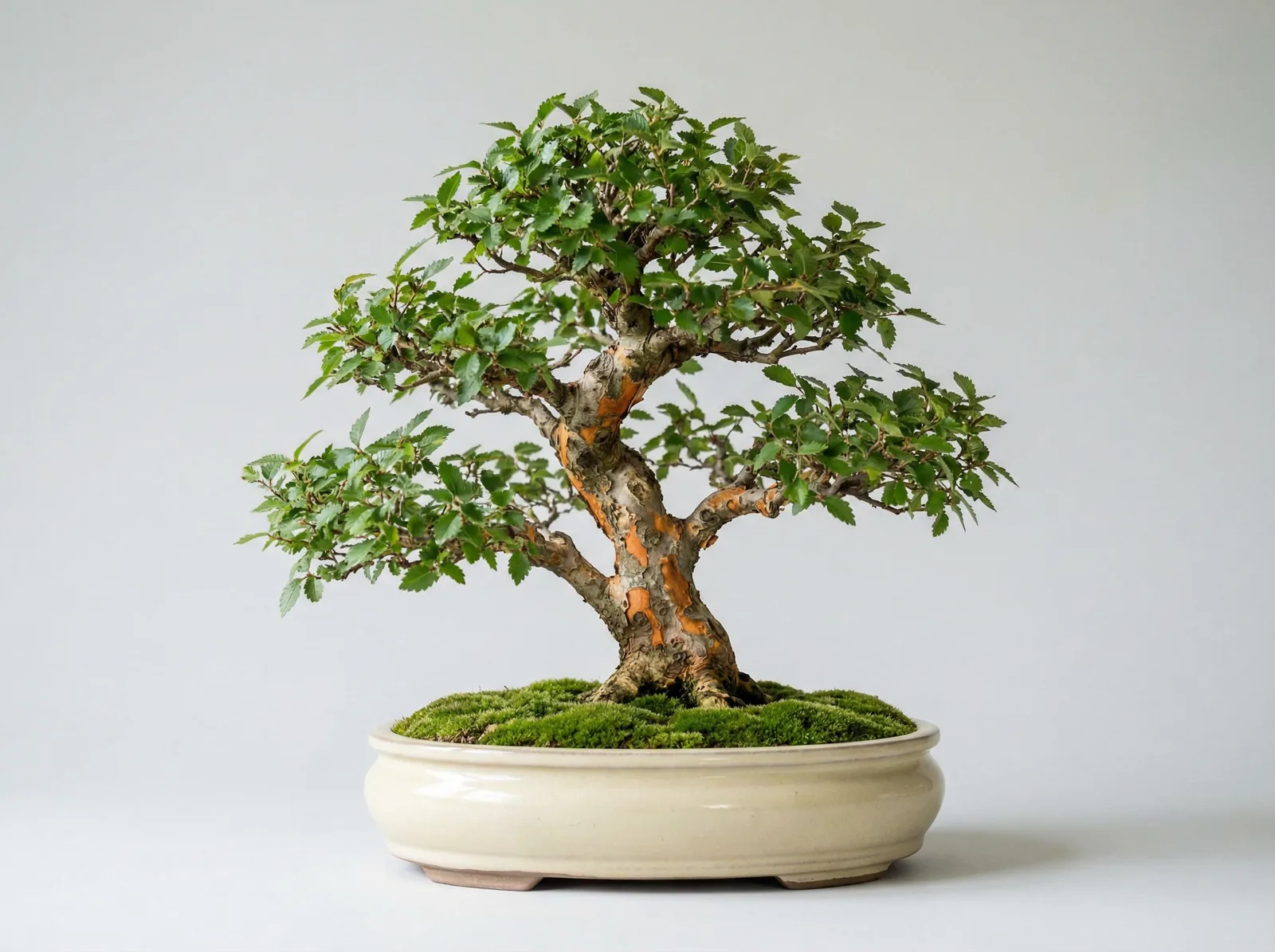
Chinese elm starter tree
$35–65typical
- What it is
- A rooted, branched Ulmus parvifolia several years into its development, in a training or ceramic pot.
- Why we picked it
- It's the same money as a mid-range seed kit and it's a tree today. You can prune it the week it arrives and see the response within a month, which is the part of the hobby that keeps people in it.
- Who it's wrong for
- Someone who specifically wants to raise a plant from a seed. That's a real desire — it just isn't bonsai yet, and it deserves proper seed rather than a kit.
Buy this instead — live tree
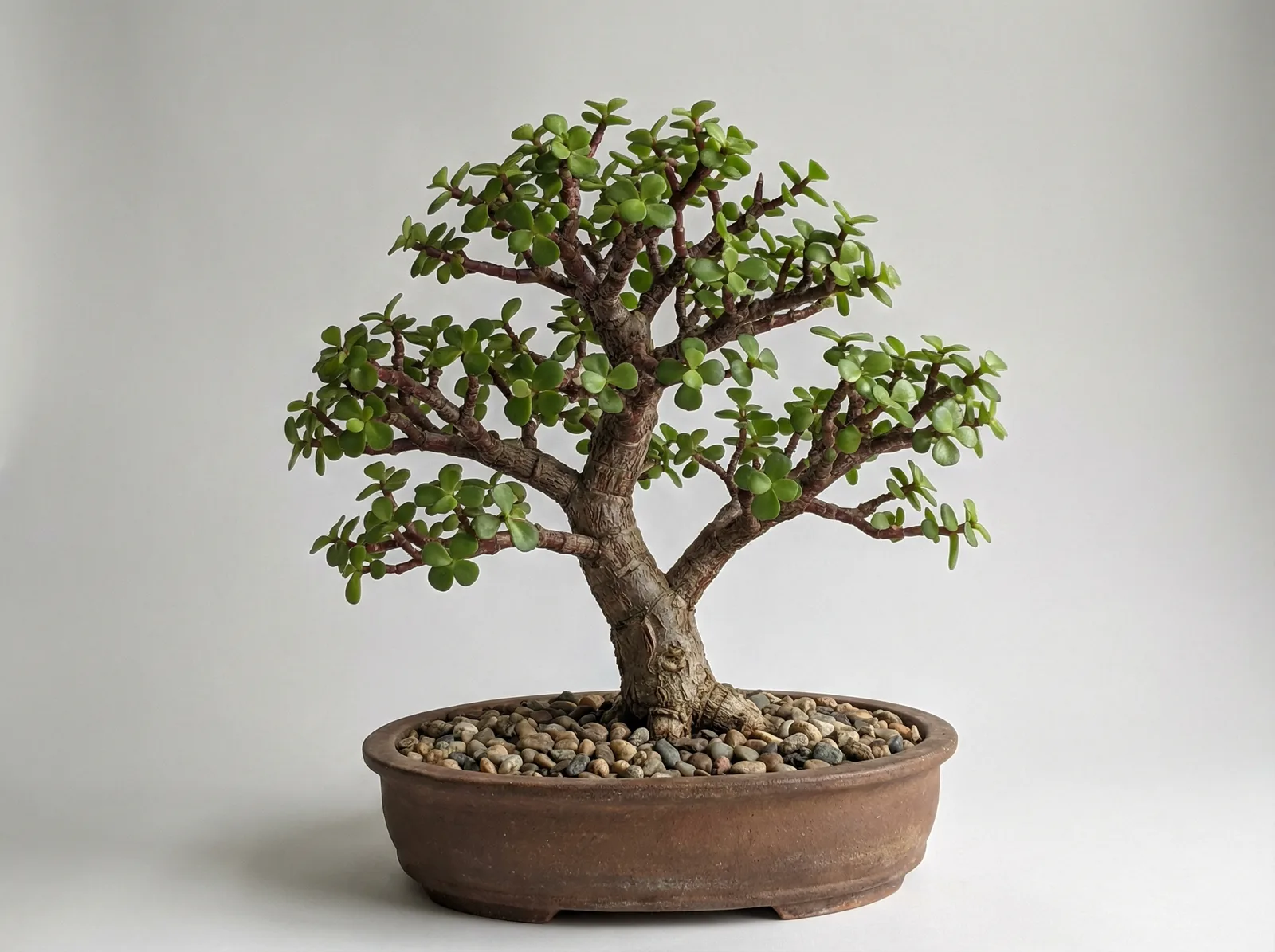
Dwarf jade starter tree
$25–50typical
- What it is
- Portulacaria afra, a succulent that thickens a trunk faster than almost any woody species and strikes from cuttings in weeks.
- Why we picked it
- If the appeal of a seed kit is watching something grow from nothing, jade delivers that in a timeframe a person can hold onto. Snip a branch, push it in soil, and you have a second tree by next season.
- Who it's wrong for
- A dim room. It needs the brightest window in the house to stay compact instead of stretching.
Buy this instead — live tree
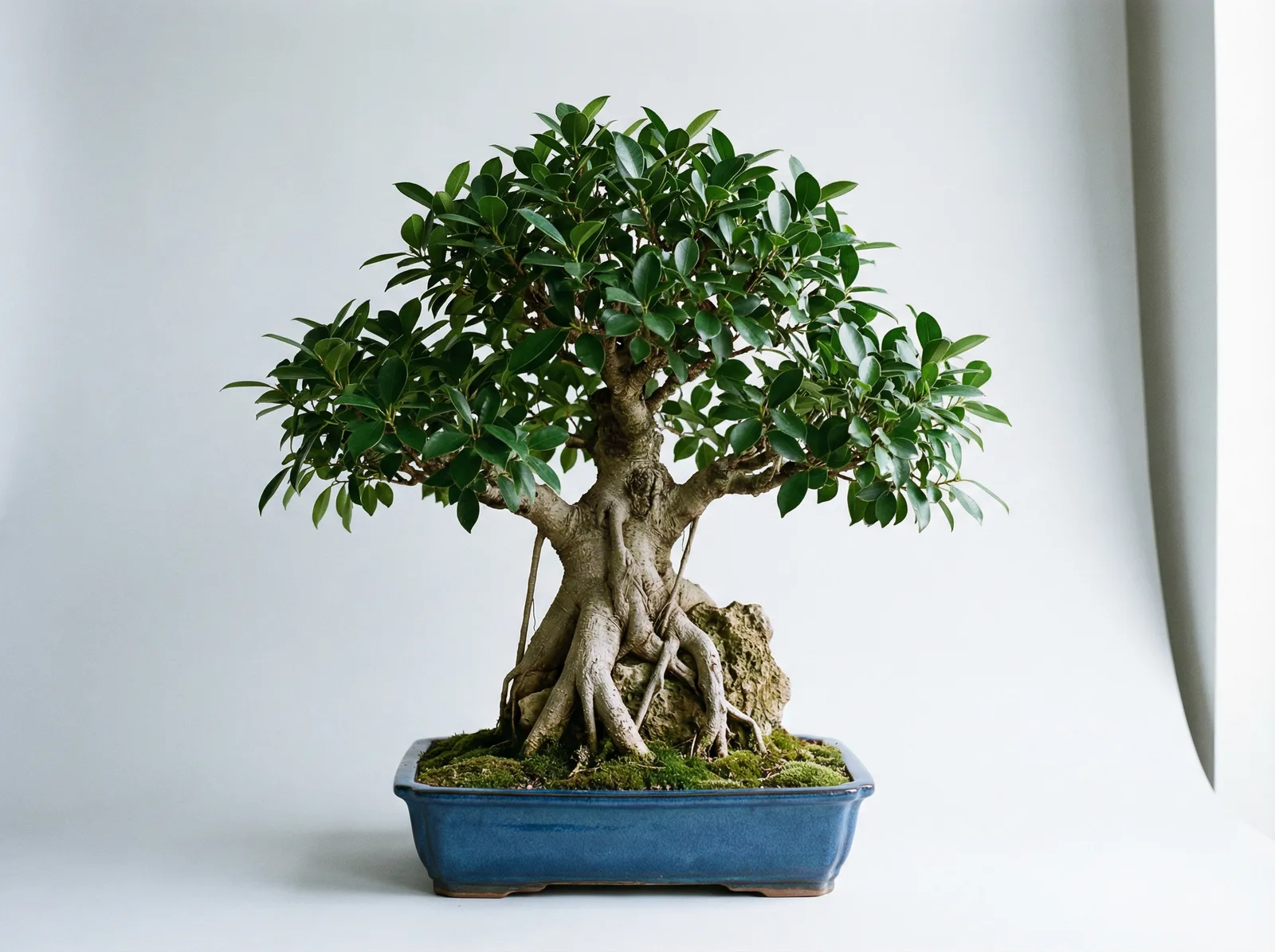
Ficus retusa starter tree
$30–70typical
- What it is
- A Florida-grown tropical fig, Ficus microcarpa (often sold as Ficus retusa), often with aerial roots already forming, sold ready to style.
- Why we picked it
- It's the most gift-proof tree we know: no dormancy requirement, tolerant of indoor light, and quick to recover when someone forgets it for a week. A seed kit given to a beginner ends in a drawer; this ends on a windowsill.
- Who it's wrong for
- A cold room. Below roughly 55°F it drops leaves, and a winter windowsill can be colder than the room it's in.
If you want the long project, done properly
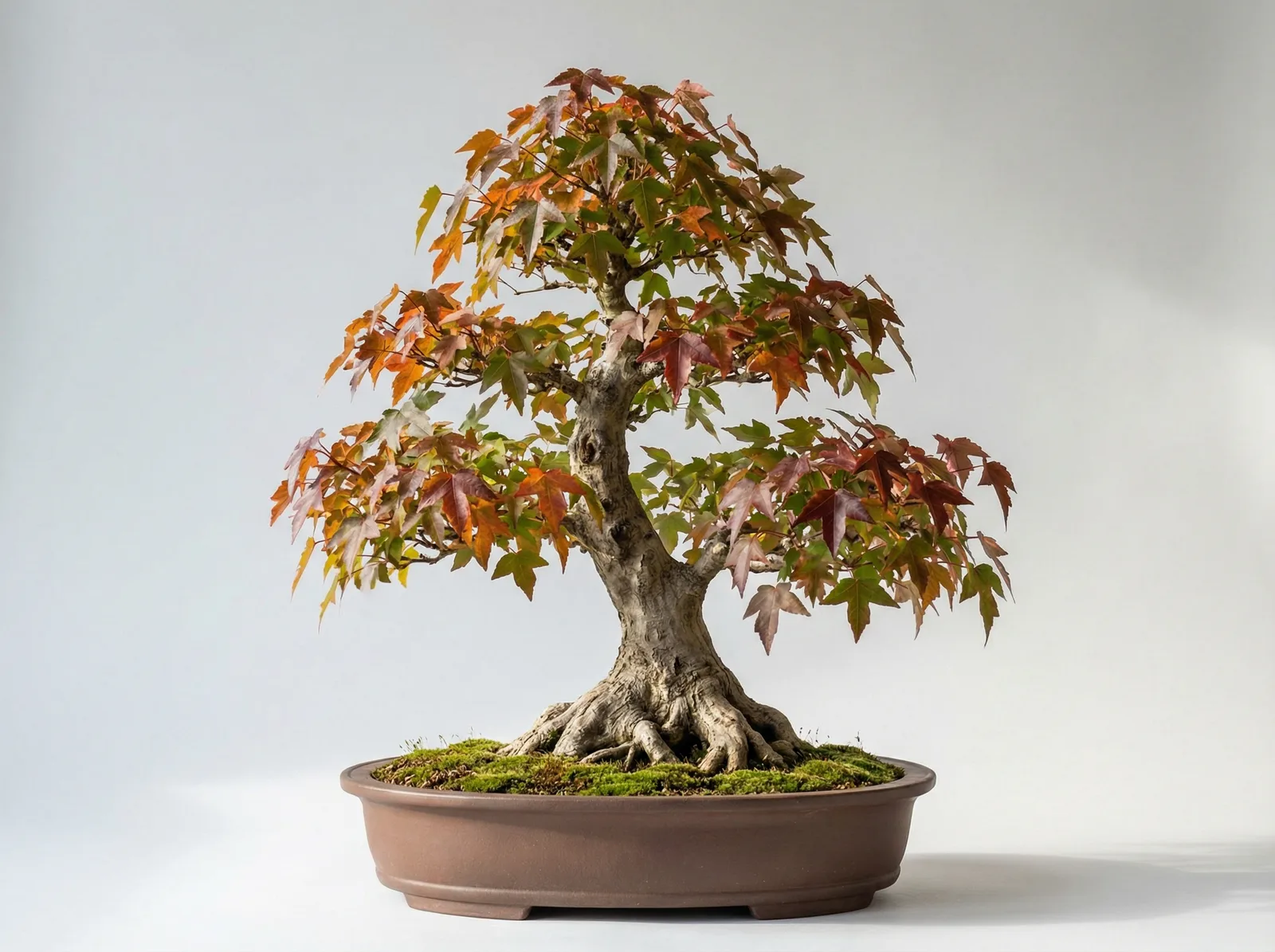
Field-grown pre-bonsai stock
$25–60typical
- What it is
- Young nursery plants grown in the ground for a few years specifically as bonsai material — thicker trunks, no pot, no styling done yet.
- Why we picked it
- This is the honest version of the seed-kit fantasy. You still do the developing work over years, but you start from a trunk instead of a seed coat, which cuts the wait roughly in half and removes the germination lottery entirely.
- Who it's wrong for
- A gift. It arrives looking like a shrub, because it is one. Buy this for yourself, when you already know you like the hobby.
What to avoid
Kits promising "grow 4 bonsai trees"
Four species in one box means four different germination requirements — some need cold stratification for months, some need scarification, some need warmth. A single printed instruction card cannot be right for all four.
Seed packets with no harvest or packing date
Tree seed viability drops with age and storage temperature. An undated packet gives you no way to know whether you're planting this year's seed or something that sat in a warehouse for three summers, and germination failure is the most common complaint about these kits.
Kits whose seed list is mostly showy non-bonsai species
Flame tree, jacaranda, and wisteria seed germinate readily and photograph well on a box. They are also large-leafed, fast, awkward subjects that most growers wouldn't hand a beginner. The seed choice is made for the packaging, not for you.
Heat mats and grow lights bundled with the kit
They raise the price toward the cost of an actual tree while solving a problem you only have because you bought seeds. If you want a grow light, buy one for a tree you already own.
Giving a seed kit as a present
The recipient gets homework with a five-year deadline and no tree. This is the single most common way a person's bonsai interest ends before it starts — see our gift guide for what to give instead.
How we choose
We haven't grown out every kit on the market, and we're not going to claim we have. This verdict rests on things that are checkable: how long woody species take to reach styling size, what germination requires per species, and what buyers report about kit seed that never sprouted.
The timeline is the part that isn't in dispute. Growers agree that seed-grown material needs several years in the ground or a large pot before trunk thickness is worth working with. Nothing about packaging changes that.
We also apply one rule to ourselves here: we hold this position even though seed-kit affiliate programs pay well and this page ranks for their keyword. Our picks are the same ones we'd give a friend across a bench.
Species on this page