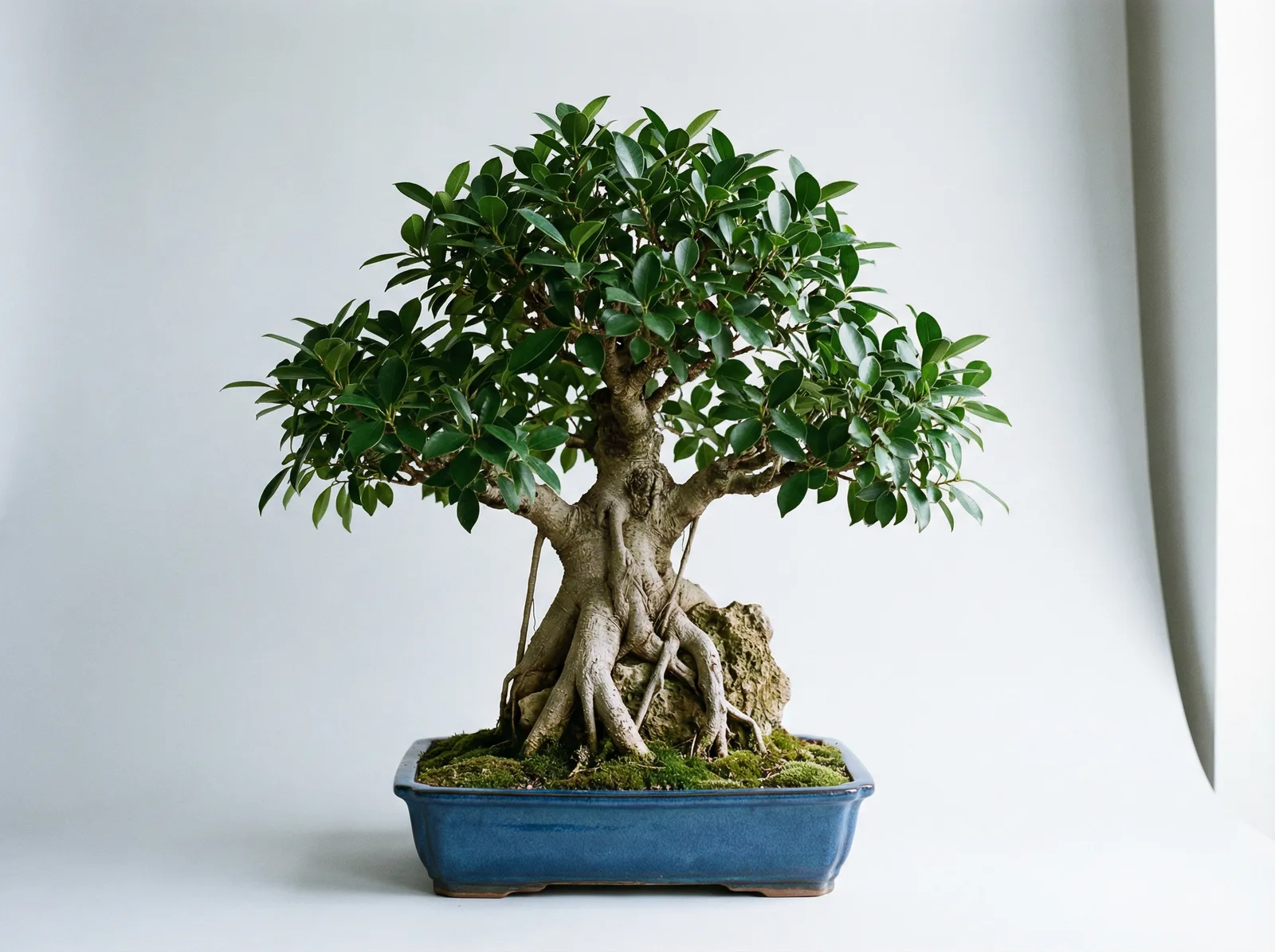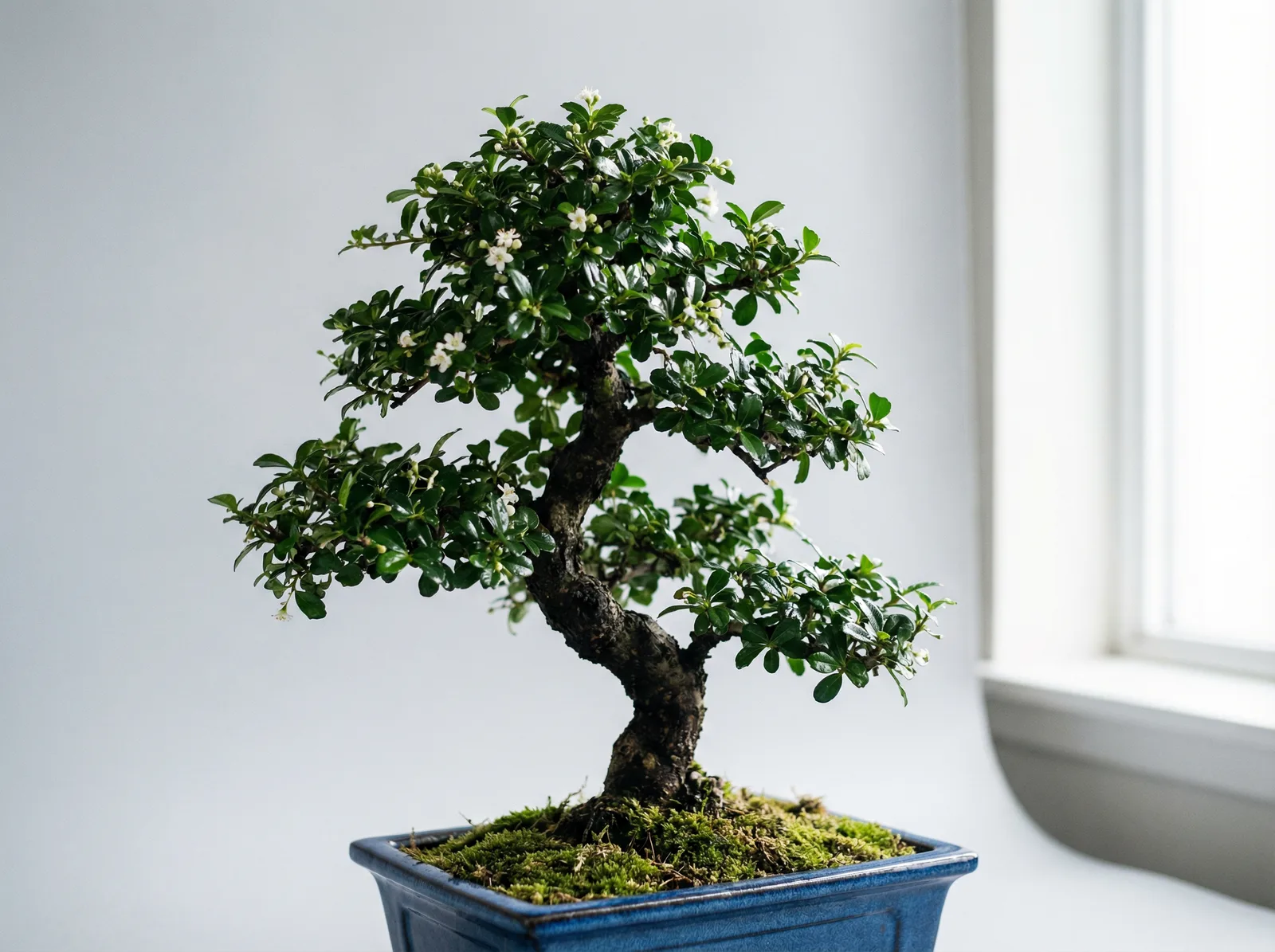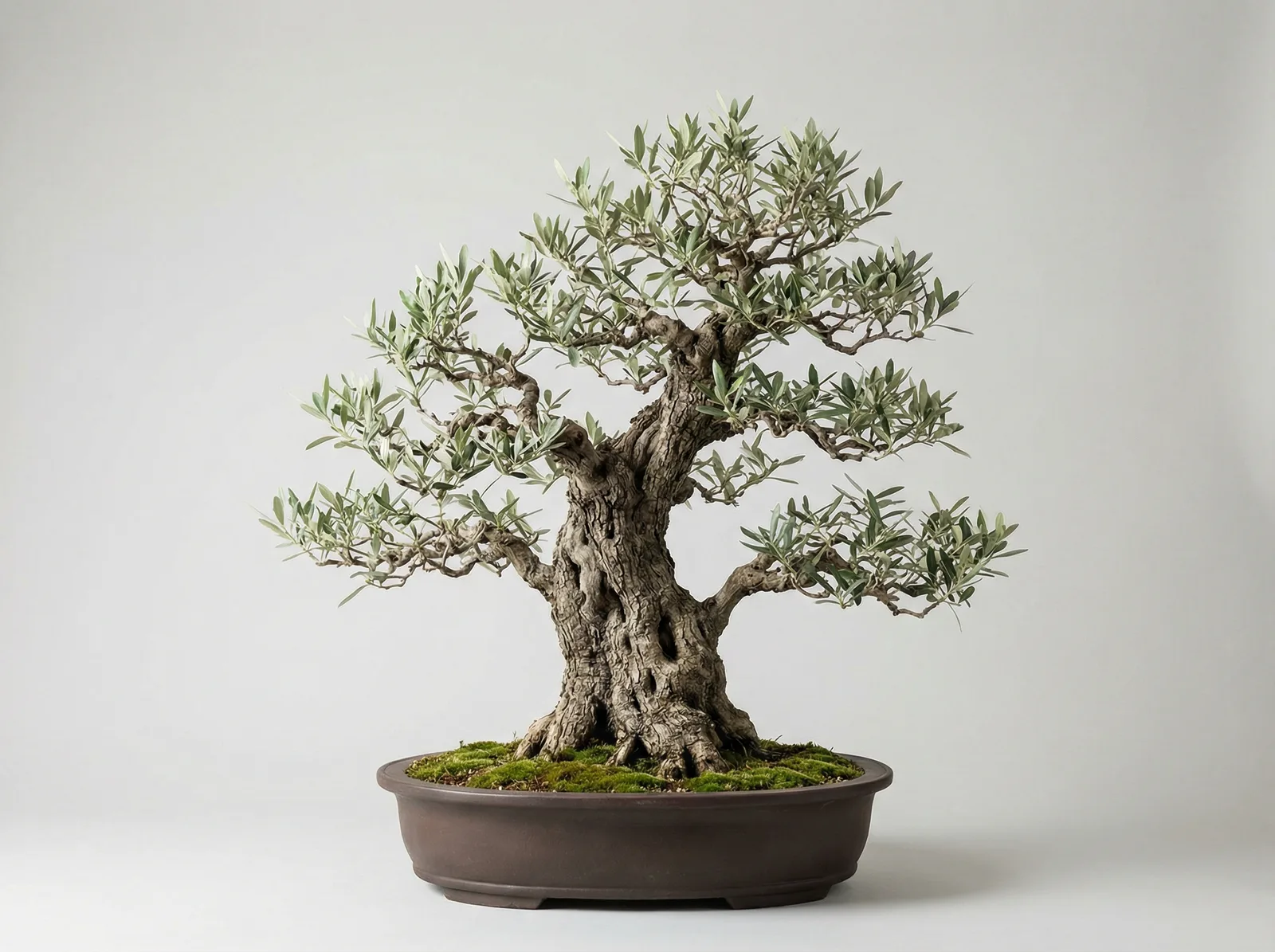
Bougainvillea glabraboth
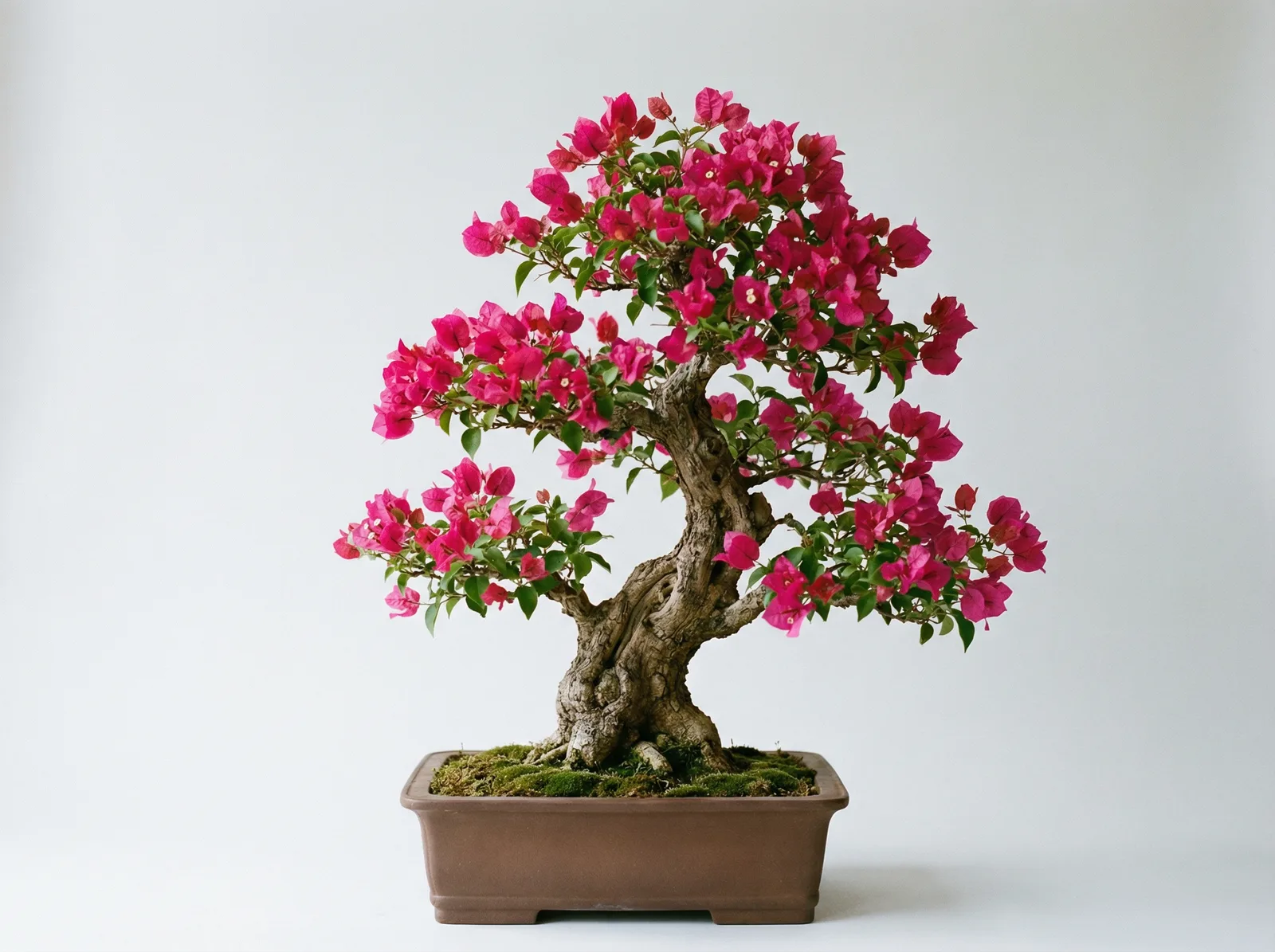
Bougainvillea Bonsai
- care
- intermediate
- light
- full sun
- zone
- 9–11
Portulacaria afra · Didiereaceae
Why grow it
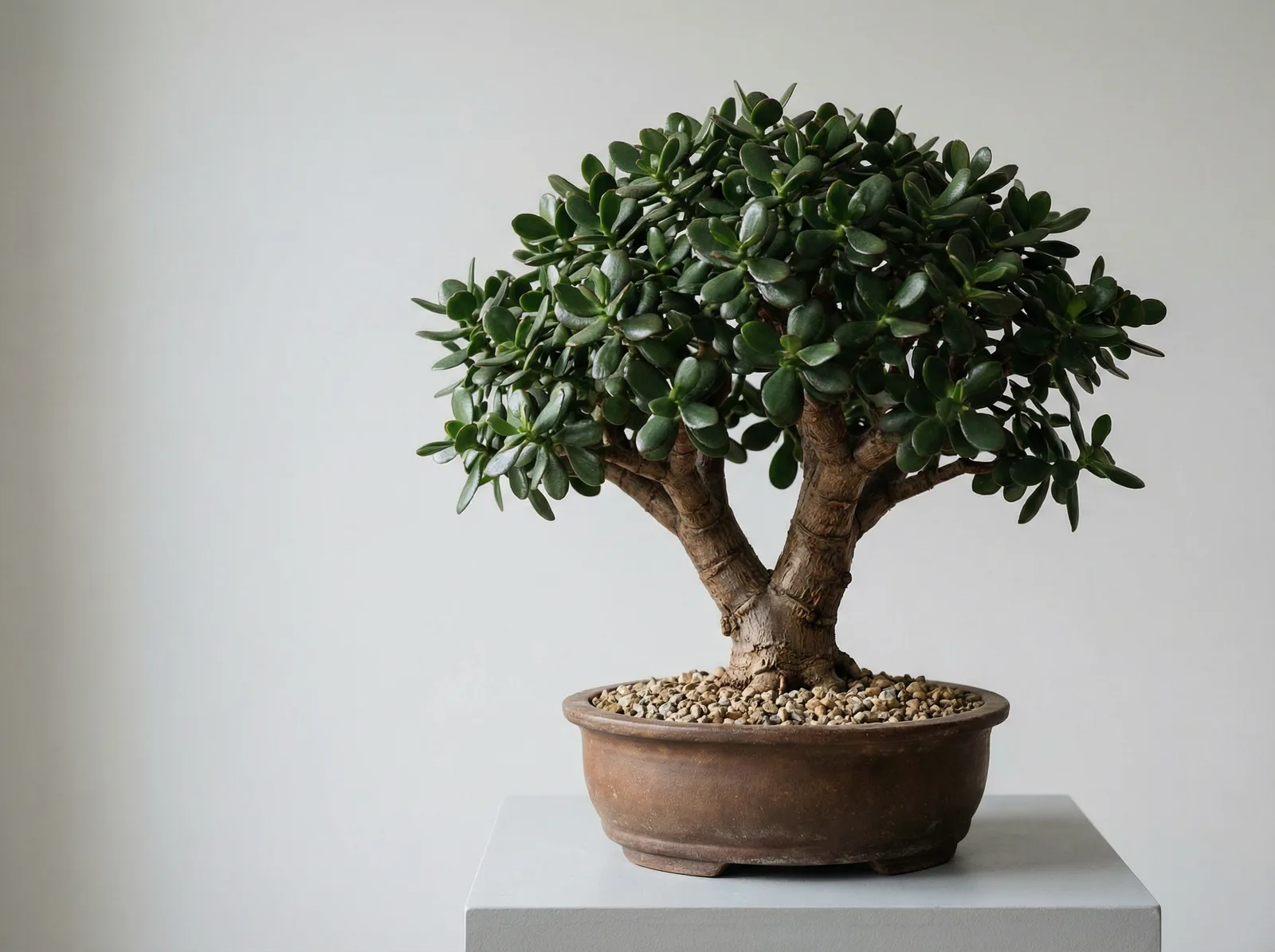
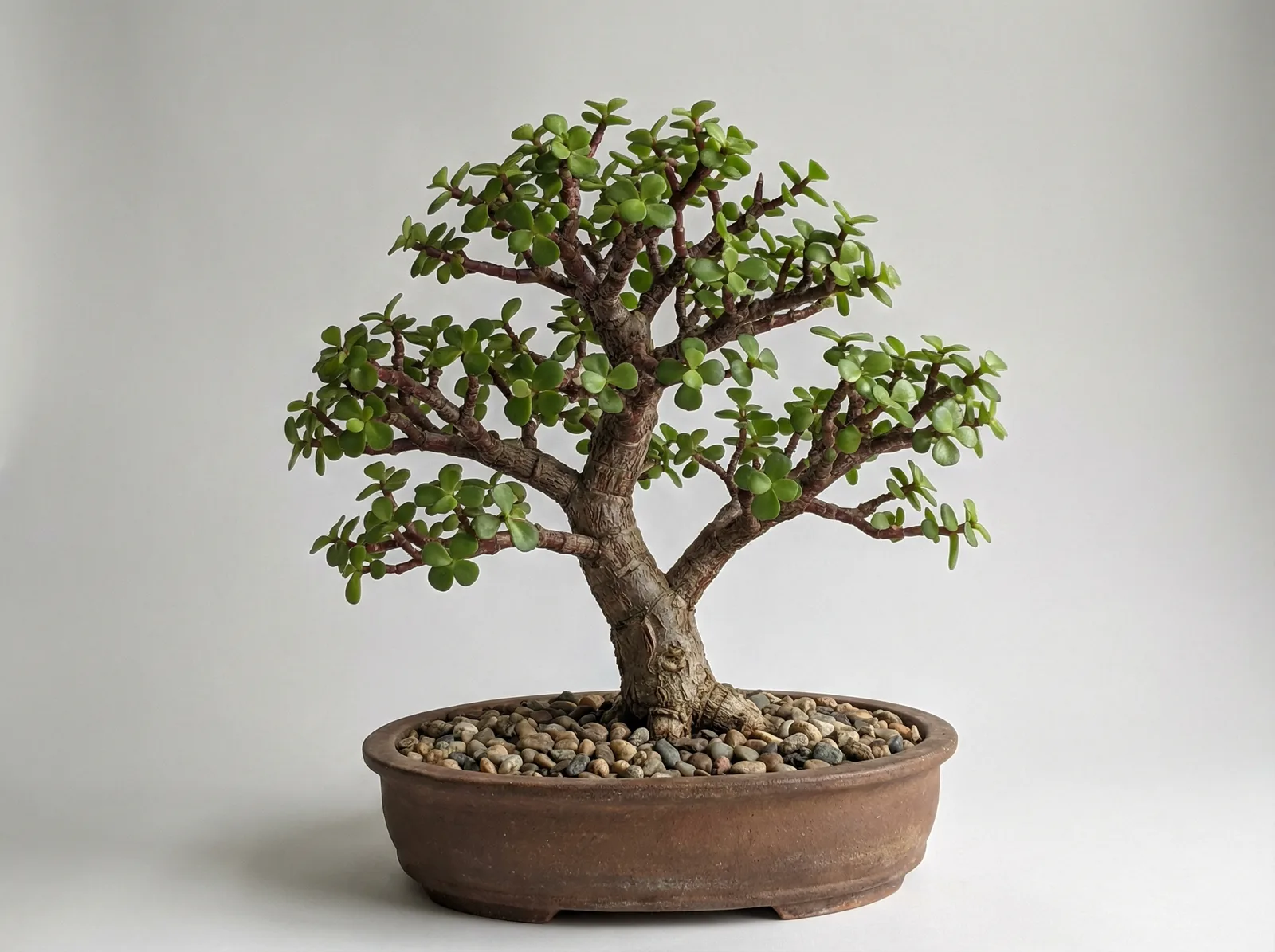
Let's clear something up: dwarf jade (Portulacaria afra) is not jade. It's not even related to the Crassula ovata sitting on your grandmother's windowsill. Different genus, different family, different continent of origin. The confusion actually works in your favor -- Portulacaria is a better bonsai species in almost every way. Smaller leaves, faster trunk development, and branching that actually ramifies.
In the wild, elephants in South Africa strip these plants down to stumps on a regular basis. The plants shrug it off and regrow. That tells you everything about how hard they are to kill. They store water in leaves, stems, and roots. Cut off a branch, stick it in dirt, and you've got a new tree in three weeks.
Those reddish stems against small, round green leaves make for a striking combination. And here's what surprises people: as the trunk matures, the bark turns gray-brown and develops genuine woody character. From five feet away, a well-developed dwarf jade is indistinguishable from a traditional deciduous bonsai.
The routine
Give this plant sun. Then give it more sun. In full outdoor light, you get tight internodes, red-tinged stems, and a trunk that thickens fast. Under a desk lamp? Leggy, pale, and disappointing. A south-facing window is the bare minimum indoors. If your stems are stretching with wide gaps between leaves, the tree is begging for more light.
Watering dwarf jade is the easiest thing in bonsai. Drench the soil, then forget about it until it's dry half an inch down. In summer, that's maybe every 5-7 days. In winter, every two to three weeks. The leaves wrinkle slightly when the plant is actually thirsty -- that's your built-in moisture meter. Soft, mushy stems mean you've been too generous. Back off immediately.
Dwarf Jade looking rough right now?Skip to common problems below, or start with the symptom guide.Growth is fast enough to see results within a single season. Prune a branch in June, and by August you'll have multiple new shoots filling the gap. That feedback loop makes dwarf jade perfect for experimentation. Try a technique, see what happens, adjust. Low stakes, high reward.
Pests? Almost never. Maybe mealybugs once every few years, hiding in leaf axils. Dab them with rubbing alcohol. Done. No drama.
Shaping
Cut dwarf jade anytime between April and September and it'll push two new shoots from the node below within days. That's the species' superpower -- effortless ramification. Snip back to a leaf pair and wait. Two branches appear. Repeat. Within two growing seasons you'll have a dense canopy from a handful of cuts.
One thing: don't apply cut paste. The stems are succulent, and they need air exposure to callus properly. Sealing the wound traps moisture and invites rot. Let cuts dry in open air for a day. They'll look rough at first but smooth out within a few weeks.
Lost your tree's shape to a long winter of indoor stretching? Cut it back to the trunk in April. Sounds brutal, but dwarf jade push new growth from dormant buds all along the remaining wood. Hard pruning in spring is basically a reset button. Just avoid heavy cuts in winter when growth has stalled -- the tree won't respond until warmth returns.
Scale is dwarf jade's styling superpower. The leaves are already pea-sized, so a 6-inch tree reads as a full-sized specimen with zero leaf-reduction work -- no defoliation, no fussing. That makes this the single best species for shohin and mame sizes, and it means your design decisions show up honestly: what you see on the bench is what the tree will look like, just thicker.
Wiring has a narrow window. Green, flexible stems take wire and set position in 4-6 weeks during active growth. Once stems turn brown and lignify, they snap -- no warning, no flex, just a clean break. If you miss the green stage, switch to clip-and-grow, which builds better-looking structure on this species anyway. (If you do wire, size it with /tools/wire-gauge and use the lightest gauge that holds.)
Forest plantings are where dwarf jade really performs. Root 5-7 cuttings of different lengths, plant them in a shallow ceramic slab, and you've got a convincing miniature grove within a single growing season. Space the tallest cutting off-center, cluster two or three medium ones nearby, and scatter the smallest toward the edges. The planting looks mature shockingly fast.
When things go wrong
Love kills more dwarf jade than neglect ever will. Overwatering is the number one killer, full stop. Mushy stems, dropping leaves, a sour smell from the soil -- that's root rot, and it moves fast in succulents. If you catch it early, stop watering, pull the tree from the pot, trim away any black or brown roots, let the root ball dry for 24 hours, and repot in a gritty mix of 70% pumice and 30% bark. Then don't water for a week. (Skip the bark scratch test here -- on a succulent, the live-or-dead check is turgor: firm, plump leaves and solid stems mean the tree is fine no matter how bare it looks; soft and mushy from the soil line up means rot.)
Leaf drop without mushiness usually points to cold exposure. Was the tree near a window during a cold snap? Did temperatures dip below 50°F? Move it somewhere warmer and the new leaves will come.
Stretchy, pale growth with big gaps between leaves is a light problem, pure and simple. Move the tree to brighter conditions and prune back the leggy sections. New growth in proper light will be compact and colorful. There's no shortcut around this one -- more light or accept the legginess.
Here's the thing about dwarf jade: you don't need to spend much. Nurseries sell 4-inch pots of Portulacaria afra for $5-10. Grab one with a thick base and some trunk movement, stick it in a bonsai pot with pumice-heavy soil, and you're off to the races. You can also propagate from cuttings -- snip a 4-inch branch, let it callus for two days, stick it in dry soil, and water after a week. Roots in three weeks, guaranteed.
If you want a head start, online vendors like Wigert's and Eastern Leaf sell developed dwarf jade bonsai for $40-150 with actual trunk character. But honestly? For this species, buying a $8 nursery plant and growing it out yourself is half the fun. You'll learn more and the tree will be uniquely yours.
Some links may become affiliate links; our picks don't change.
Also on the bench