Prunus serrulataoutdoor
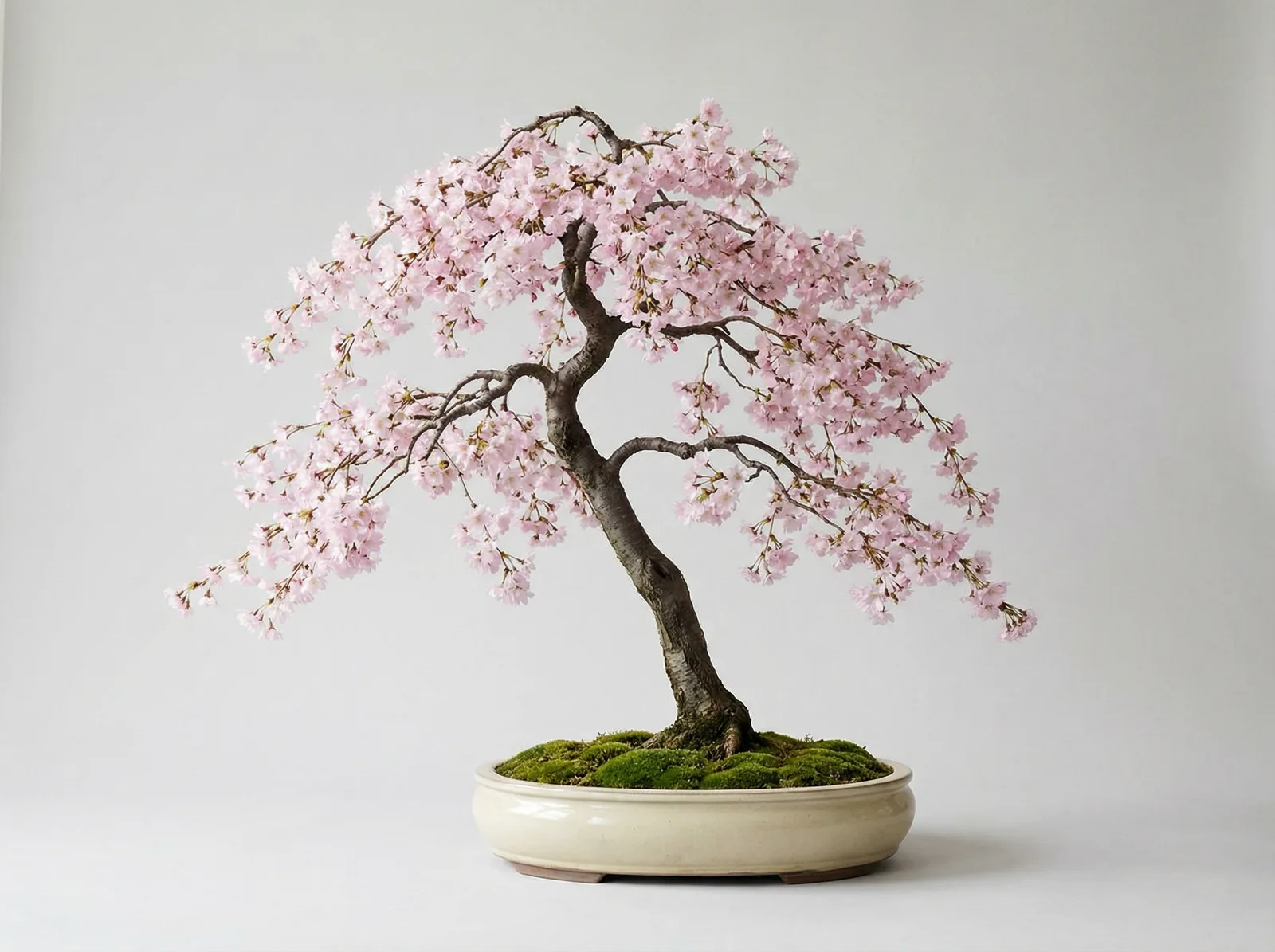
Cherry Blossom Bonsai
- care
- advanced
- light
- full sun
- zone
- 5–9
Pyracantha coccinea · Rosaceae
Why grow it
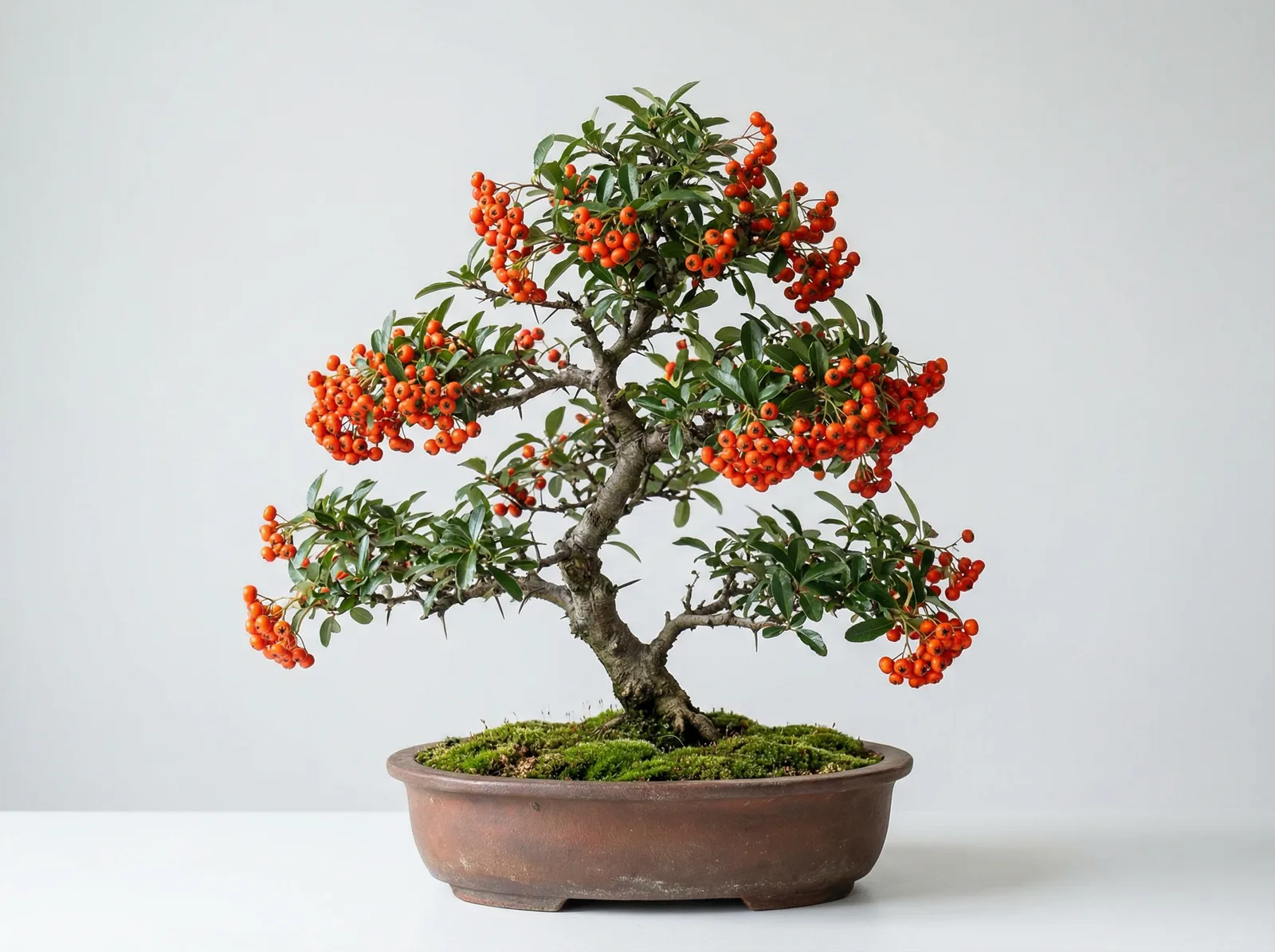
Firethorn earns its name honestly. From September through January, mature Pyracantha coccinea bonsai drip with clusters of berries so vivid they look lit from inside -- orange, red, or yellow depending on the cultivar. It's one of the best fruiting bonsai for temperate climates, and nothing else provides that kind of winter color.
The white flower clusters in spring are attractive enough on their own, but the fruit is the real show. A well-grown firethorn covered in orange berries against dark green leaves is genuinely eye-catching. Fair warning: birds love the berries too. If your tree lives outdoors, netting might be necessary to keep your display intact.
Also fair warning: the thorns are sharp. Really sharp. They make wiring an adventure and repotting a blood sport. Wear leather gloves for heavy branch work. The thorns are worth tolerating for the berries. Barely.
prune: late winter (structure); summer (pinch non-fruiting shoots)
The routine
Full sun is everything. Without strong light, firethorn produces foliage but skimps on flowers and fruit -- and the fruit is the whole reason to grow this species. Give it the sunniest spot in your garden. South-facing wall is ideal. The more sun, the more berries. Simple math.
Watering is straightforward. Firethorn is drought-tolerant once established, but consistent moisture during flowering and fruiting season produces the best berry set. Let it dry slightly between waterings. Soggy winter roots are worse than dry conditions any day.
Firethorn looking rough right now?Skip to common problems below, or start with the symptom guide.Fertilizer strategy makes or breaks fruiting. Heavy nitrogen early in spring pushes vegetative growth. Once you see flower buds forming, switch to a low-nitrogen feed -- tomato fertilizer works and costs a fraction of specialty bonsai brands. Growers argue about whether the extra phosphorus in bloom formulas actually adds flowers; what's settled is that backing off nitrogen stops the tree trading fruit for foliage.
Pruning timing matters because flowers form on last year's wood. Any branch you remove in late winter takes its spring flowers with it -- that's the unavoidable price of structural work, so keep those cuts to branches that genuinely don't fit the design. Detail pinching happens in summer, and only on shoots that aren't carrying fruit.
Shaping
Heavy structural pruning happens in late winter, once the berry display is over. Be honest with yourself about the cost: spring's flower buds are already sitting on last year's wood, so every branch you cut takes its berries with it. The branches you keep fruit normally, and the new wood the tree pushes over summer flowers the following year.
Summer pinching controls shape without killing your fruiting wood. After fruit sets -- you'll see small green berries forming -- pinch back non-fruiting shoots to maintain the design. Leave fruiting shoots completely alone until the berries are done.
Thorns can be clipped off if they interfere with your design. But leaving some adds to the tree's rugged natural character. On mature wood, thorns become less prominent. New growth is the thorny stuff.
Deadwood features suit firethorn well. The wood is hard and rot-resistant. Jin from removed branches and small areas of shari add to the rugged character beautifully. Treat with lime sulfur to preserve and bleach the deadwood.
Styling firethorn is a negotiation with its thorns and its calendar. The thorns set the technique: leather gloves, slow hands, and wiring in late spring once the first flush hardens -- the wood goes rigid fast, so bend early or shape with shears instead. The calendar sets the design: everything should serve the fall berry display.
Cascade and semi-cascade put that display where it belongs. Arching branches spill naturally below the pot rim, and heavy orange clusters hanging under the lip of a cascade pot is firethorn at peak performance -- the kind of thing that stops people at exhibitions.
Berry placement becomes part of the design over time. You'll learn which branches set the most fruit; feature those prominently and prune around them. Informal upright works too if you'd rather carry the berries higher.
Check wire monthly -- firethorn thickens quickly -- and remove it before it bites. Sizing help: /tools/wire-gauge.
When things go wrong
Fire blight is the serious one. This bacterial disease blackens shoots and leaves like they've been torched -- hence the name. It spreads fast. Cut out affected branches six to eight inches below visible damage. Sterilize your tools between every single cut with rubbing alcohol. Prevention matters: avoid overhead watering and prune in dry weather only.
Scab fungus causes dark spots on leaves and fruit, making berries crack and discolor. It's worse in humid rainy springs. Preventive fungicide before flowers open helps in problem areas. Clean up fallen leaves and fruit to reduce reinfection next season.
Aphids on new growth tips in spring. A strong water spray knocks them off. Insecticidal soap for heavier infestations. They're more nuisance than threat, but heavy populations distort new growth and reduce flowering. For anything beyond soap and water, /guides/pest-control has the treatment ladder.
Thorn injuries are a practical reality. Keep firethorn where people won't brush against it accidentally. The thorns cause painful scratches -- especially when you're reaching into the canopy without gloves.
If fire blight or a hard winter leaves you staring at a browned branch, scratch-test before surgery: a fingernail nick showing green means the wood under the damage is alive; dry brown means prune back into live tissue. Wear gloves even for this -- the thorns don't care that you're only diagnosing.
Landscape nurseries sell Pyracantha as hedging plants for $10-25. This is where you want to shop. These make excellent bonsai material -- look for plants with interesting trunk bases and low branching. Named cultivars like 'Mohave' (orange-red) and 'Yukon Belle' (orange) are widely available and proven performers.
Bonsai vendors less commonly carry firethorn, but when they do, expect $50-150 for developed material. Honestly, this is one species where nursery stock beats pre-bonsai for value. A $15 hedge plant with a thick trunk becomes impressive bonsai material in three to five years of focused work.
Also on the bench