Celtis sinensisoutdoor
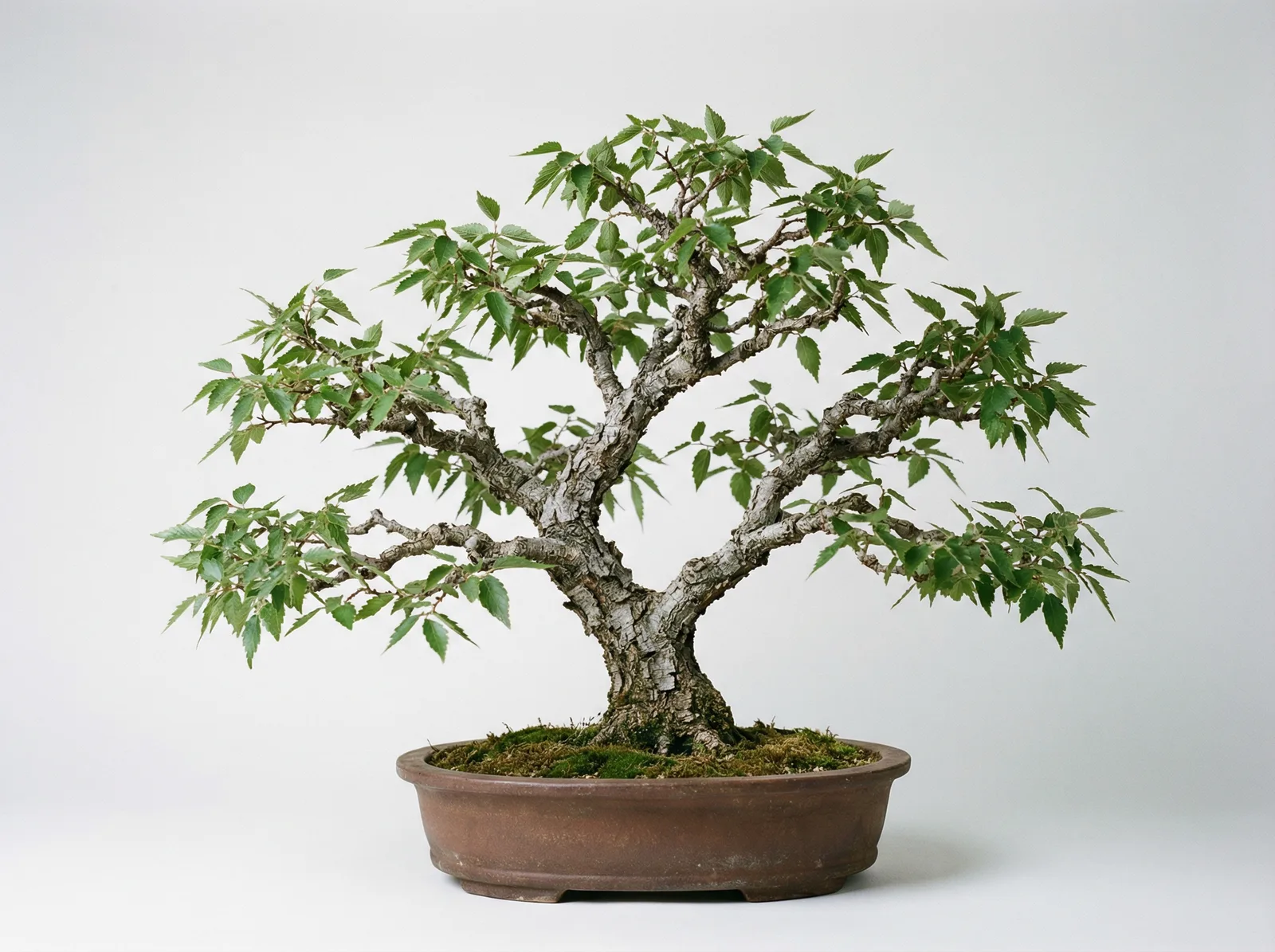
Hackberry Bonsai
- care
- beginner
- light
- full sun
- zone
- 5–10
Betula pendula · Betulaceae
Why grow it
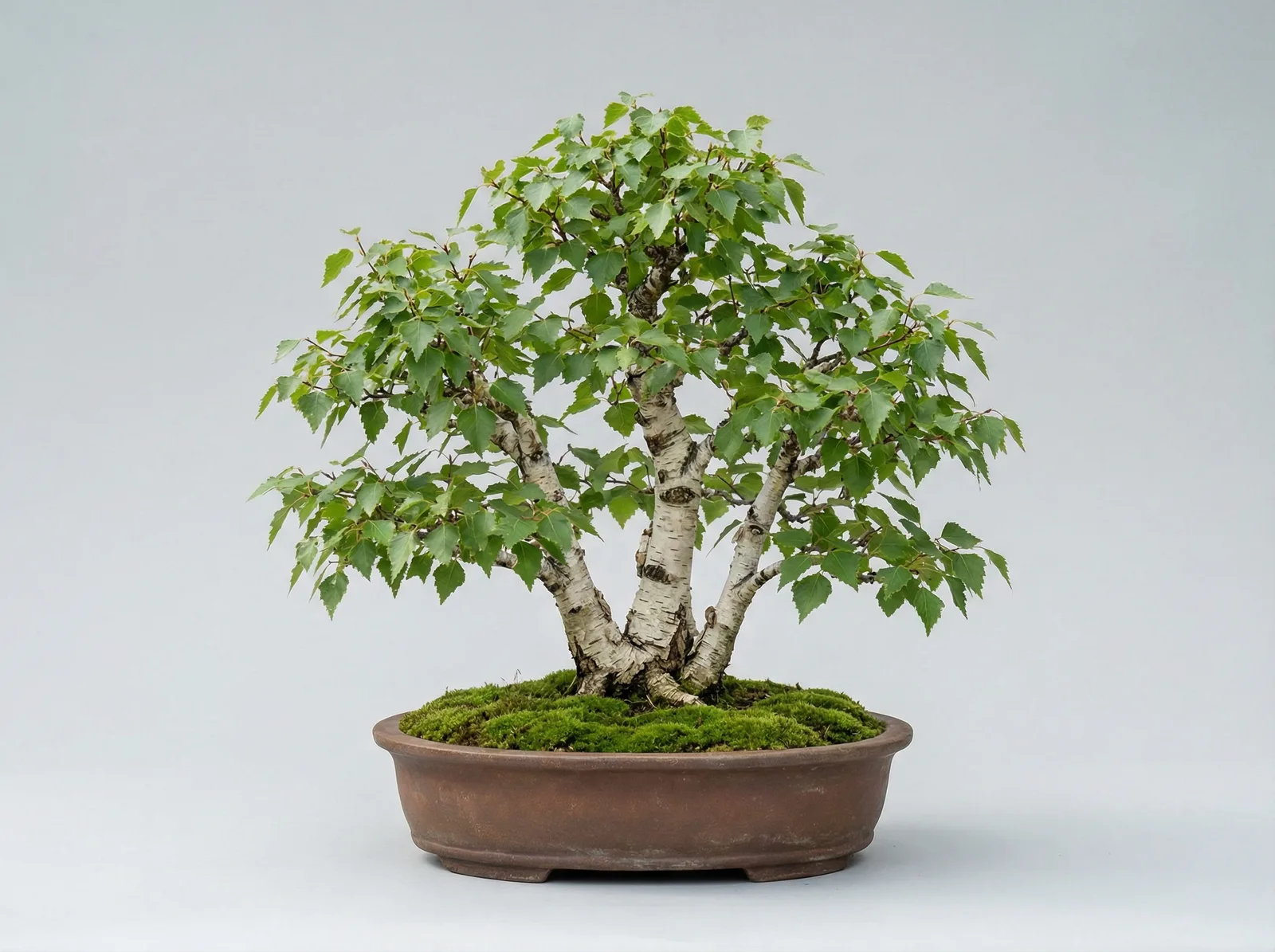
Birch bonsai brings the atmosphere of northern forests to your growing bench. That distinctive white papery bark -- peeling in thin layers, catching the light -- is one of the most recognizable features in the tree world. Betula pendula loses none of that presence in miniature. The delicate triangular leaves turn bright gold in autumn, and the winter silhouette of fine twiggy branches against white bark is worth the entire year of care.
Silver birch is the top pick for bonsai. The weeping branch tips and clean white bark develop together as the tree matures. One catch: bark starts bronze on young trees and doesn't whiten for five to eight years. Patience required.
Birch really shines in group plantings. Five to seven trees of varying sizes in a shallow oval pot, white trunks creating visual rhythm -- that captures the northern forest feel in a way no single tree can. Single-tree bonsai work fine, but the species reaches its full potential in groves.
The routine
Water is non-negotiable with birch. These trees evolved in cool, moist climates and have zero drought tolerance. Zero. Check the soil twice a day in summer. A birch that dries out loses branch tips to dieback within hours, and those tips don't regenerate. Ever. Use a moisture-retentive soil mix -- 40% akadama, 30% bark, 30% pumice -- and consider a humidity tray underneath.
Heat stress is a real concern if you're in zone 7 or warmer. Provide afternoon shade during summer and increase watering frequency. Leaves scorch and the tree struggles above 90°F. If your summers are hot day and night, birch might not be the right species for you. Be honest about your climate.
Birch looking rough right now?Skip to common problems below, or start with the symptom guide.Winter care is the easy part. Birch is one of the hardiest bonsai species on earth. Let it experience full winter cold. Protect the pot from freeze-thaw cycles, but the tree itself shrugs off -40°F and colder. It needs that cold period for proper dormancy.
Two pests matter with birch -- bronze birch borer and leaf miner -- and a healthy, well-watered tree resists both. Details and treatments are under common problems below.
Shaping
Never prune birch in spring. The tree bleeds sap heavily from spring cuts, similar to maples, and the loss weakens it significantly. Structural branch work happens in late summer or winter only.
Refinement pruning runs through the growing season. Let shoots extend to five or six leaves, then cut back to two. Birch ramifies well with consistent trimming, building that fine twiggy growth that looks spectacular when the leaves drop in October.
Avoid hard cutbacks on older wood. Birch doesn't back-bud as reliably as elm or ficus. Remove all foliage from a branch and it may simply die. Always leave some growth on every branch you want to keep.
Winter silhouette is a major feature. The fine ramification you build through summer pruning pays off dramatically when the leaves fall. A good birch should look beautiful bare. If the branch structure isn't clean, no amount of summer foliage hides that.
Birch sheds branches it decides it doesn't need -- shaded or weak ones simply die back -- so style with redundancy. Never hang the whole design on one irreplaceable branch, keep the canopy thinned so every branch earns its light, and expect to lose a twig or two each year. Birch designs that last are loose and forgiving, not precision-engineered.
Forest plantings are where the species peaks. Five to seven trees of varying thickness in a shallow oval or slab pot, arranged asymmetrically -- no straight lines, no even spacing. The tallest tree goes slightly off-center with smaller trees stepping down toward the edges, and the white trunks carry the rhythm.
Literati suits a single birch surprisingly well. One thin, elegant trunk with sparse branching near the apex echoes a lone tree at the forest edge -- northern character in a single line.
Wire young branches in summer while they're flexible, sizing the wire to the branch with the tool at /tools/wire-gauge, and check weekly for bite because birch thicken fast. Older branches snap rather than bend; shape mature wood with pruning cuts alone. And preserve the natural droop at the branch tips -- don't wire them upward. That gentle hang of the outer twigs is what makes birch look like birch.
When things go wrong
Drought kills more birch than every other cause combined. The fine branches die fast when soil dries out, and they don't come back. Prevention is the only cure -- keep soil consistently moist. If you travel frequently, set up automatic watering or arrange for someone to water daily. This isn't optional with birch.
After a dry spell, find out exactly what you lost before pruning: scratch along each branch with a fingernail until the underbark shows green instead of brown, and cut back to that point. Twigs that scratch brown are gone; the branch below the green line is still in business.
Birch leaf miner tunnels inside the leaves creating brown blotchy patches -- mostly cosmetic, but heavy infestations weaken the tree over time. Bronze birch borer is more serious: D-shaped exit holes in the bark mean damage is already done, and stressed trees are its favorite target. A vigorous, well-watered birch resists both. For treatment options, see the pest guide at /guides/pest-control.
Bark not turning white is normal on young trees. The characteristic papery white bark develops with maturity, typically after five to eight years. Bronze bark on young birch is expected, not a problem.
Nurseries and garden centers sell silver birch for landscaping at $15-40. Trunks tend to be straight -- the challenge is finding material with movement or interesting root flare. Multi-stem specimens are ideal for clump-style bonsai and occasionally show up at independent nurseries.
Collecting birch from the wild is possible in many regions where they grow as pioneer species. Look for compact root systems in rocky or shallow soil. Collect in early spring before bud break, keep roots wrapped and moist, and move quickly. Birch transplants reasonably well if you never let the roots dry out. Not for five minutes. Not even once.
Also on the bench