Ulmus parvifoliaboth
Chinese Elm Bonsai
- care
- beginner
- light
- full sun+
- zone
- 5–10
Celtis sinensis · Cannabaceae
Why grow it
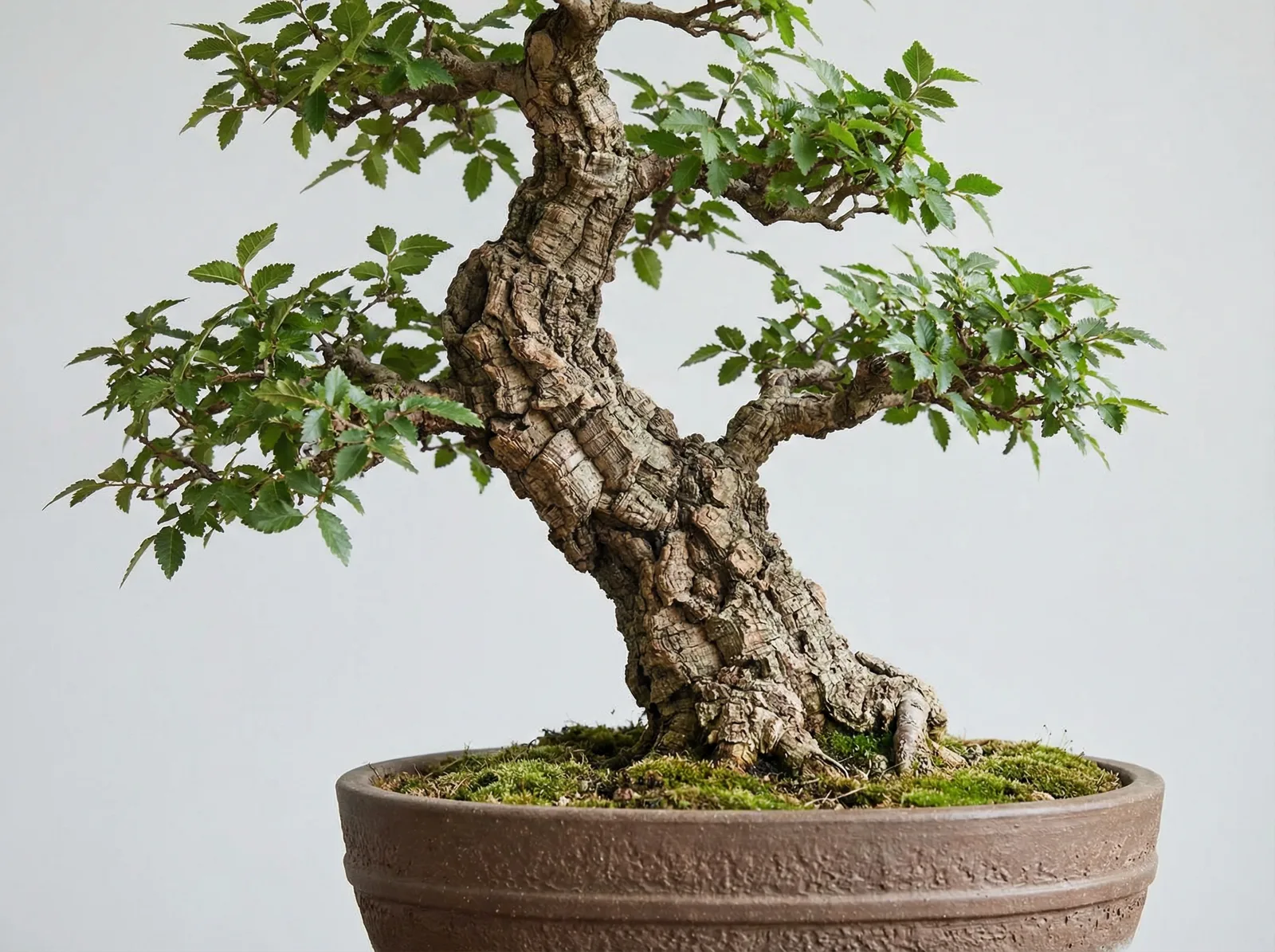
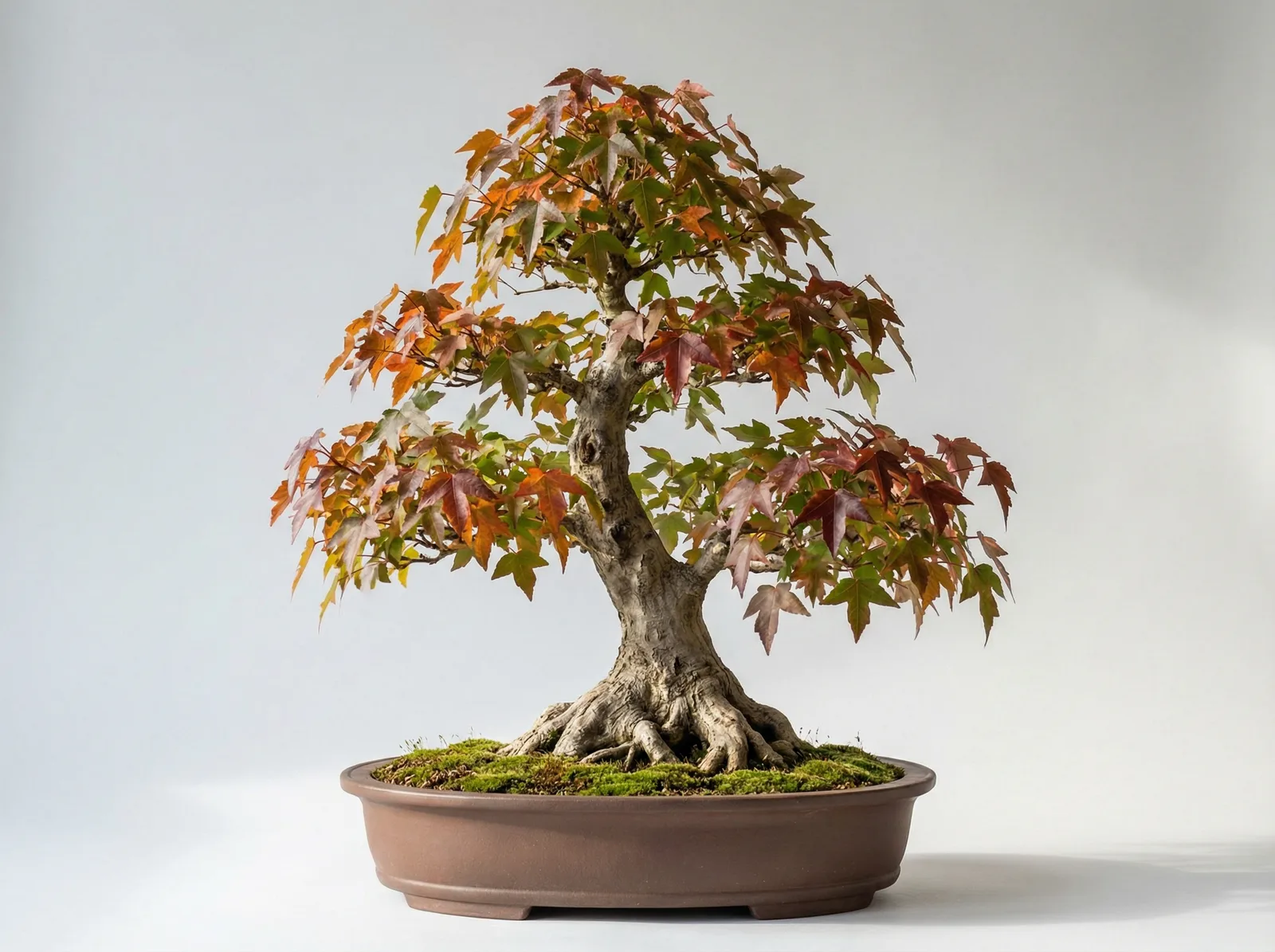
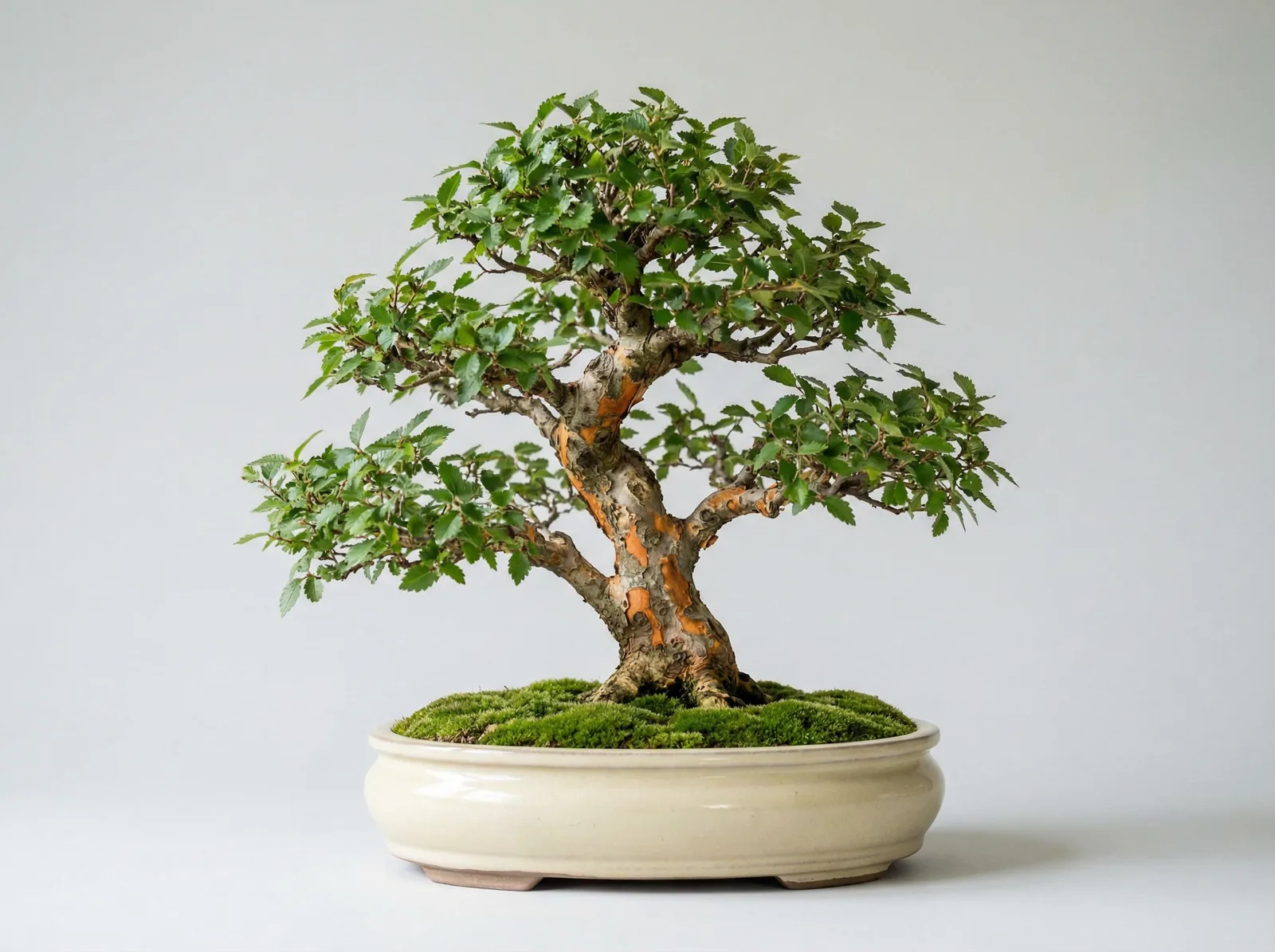
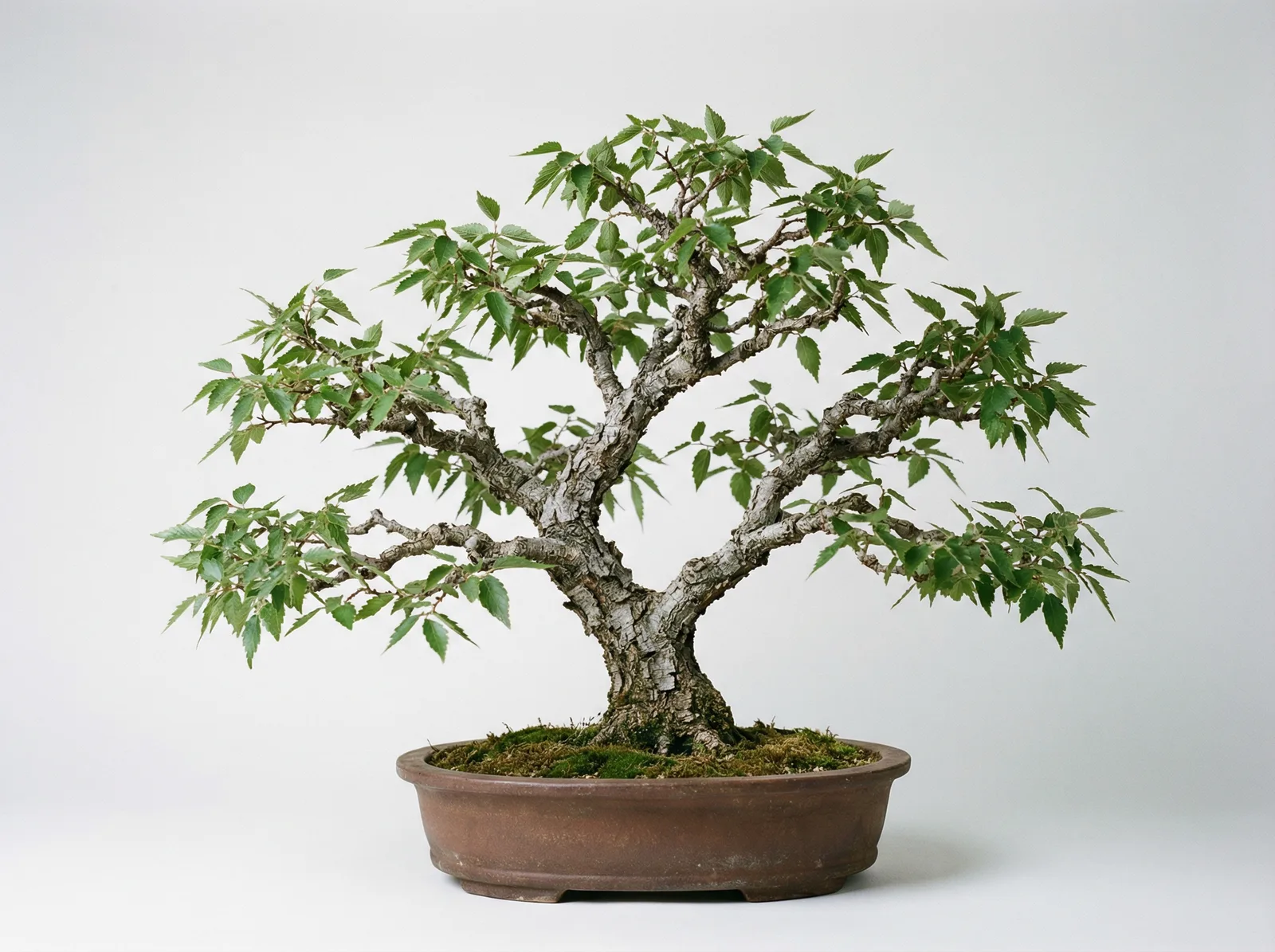
Chinese hackberry is one of bonsai's best-kept secrets. Celtis sinensis develops thick warty bark faster than almost any other deciduous species -- within three to five years, you've got deeply ridged bark that gives even young trees genuine age and presence. The small serrated leaves reduce well with pruning. And the tree is as tough as Chinese elm but with a more rugged, ancient-looking character.
The bark is the main event. That deeply ridged, corky texture starts early and only gets better with time. The trunk thickens quickly in the ground or a large grow pot, and combined with hackberry's willingness to fuse roots and develop impressive nebari, you can create convincing old trees in surprisingly short timeframes.
Hackberry is popular in Asia for bonsai but underappreciated in the West. It handles heat, drought, neglect, and aggressive styling better than most deciduous species. Beginners find it forgiving. Experienced growers appreciate how fast it develops character. Everyone should have one on their bench.
The routine
Hackberry is about as low-maintenance as deciduous bonsai gets. Full sun, water when dry, feed regularly. The tree grows fast enough that you'll spend more time with your pruning shears than worrying about care. That's a good problem to have.
Heat tolerance sets hackberry apart from the competition. Where Japanese maples scorch and birch wilt in summer heat, hackberry shrugs off 100°F days without even slowing down. Live in a hot climate and want a deciduous bonsai? Put hackberry at the top of your list. Nothing else in this category handles heat as well.
Hackberry looking rough right now?Skip to common problems below, or start with the symptom guide.Winter care is simple. Let it go dormant, reduce watering, protect the pot from hard freeze-thaw cycles. In zones 9-10, it may keep some leaves through winter. That's normal. Fresh growth pushes in spring regardless.
Gall-forming insects are the main pest concern. Hackberry nipple gall causes small bumps on leaves but doesn't harm the tree. It's purely cosmetic. Remove heavily affected leaves if they bother you. Chemical treatment is rarely justified.
Shaping
Prune aggressively all season long. Shoots extend to six to eight leaves? Cut back to one or two. Hackberry back-buds from old wood without hesitation, so cut hard and cut often. The tree fills back in within weeks.
Structural pruning in late winter before buds break. Remove crossing branches, clean up inward growth, cut what doesn't fit your design. Hackberry seals wounds fast -- large cuts close within a season or two. Cut paste on anything wider than a pencil helps but isn't mandatory.
Leaf reduction happens naturally with consistent pruning over two to three years. First-year leaves are full-size, but regular cutting back progressively shrinks them. Defoliation in early summer accelerates the process if you're impatient. Only on healthy, vigorous trees.
Root pruning can be aggressive. Hackberry roots are vigorous and fill pots fast. Don't be timid at repotting -- cut hard and the tree bounces right back. This vigor makes hackberry excellent for root-over-rock plantings too.
Hackberry hands you its best feature early -- warty, ridged bark within a few years -- so the whole styling job is keeping that bark in view. Informal upright with a clearly visible trunk line is the natural choice. Any design that buries the trunk in foliage wastes the one thing this species does faster than everything else.
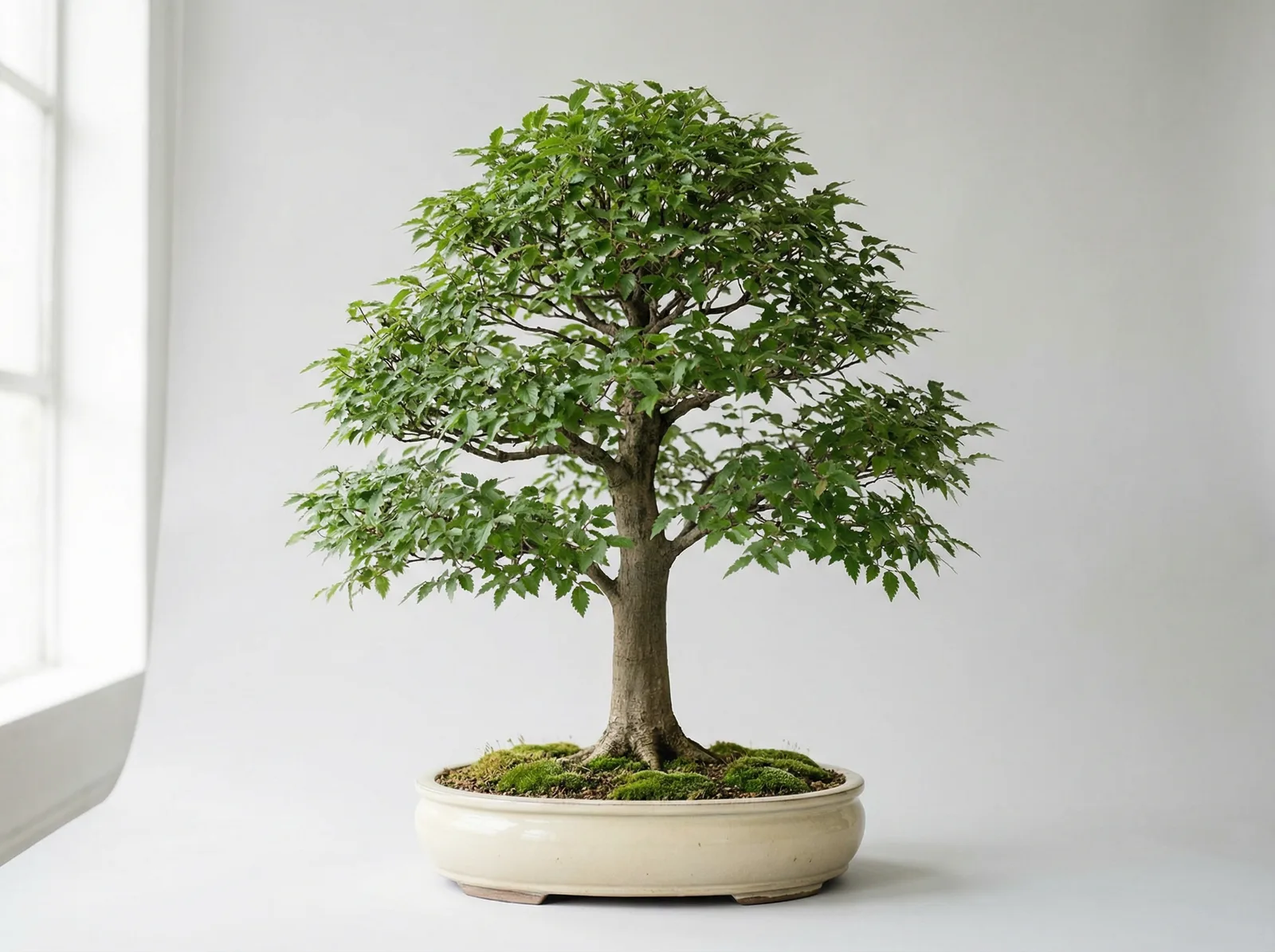
Broom style is the other classic: a rounded canopy on a straight or gently curved trunk, built through years of clip-and-grow. Hackberry pushes evenly in all directions, so the dome fills in on its own schedule -- your job is to keep cutting back to the profile.
Root-over-rock plays to the aggressive root system. Train young roots over a rock and they grip within a single growing season, then thicken and fuse into a dramatic base that matches the bark's character.
Wiring works on young branches -- match gauge to branch thickness at /tools/wire-gauge -- but check often, because hackberry thickens fast enough to swallow wire in weeks. For primary branches and trunk work, directional pruning is safer and, at this growth rate, surprisingly quick.
When things go wrong
Hackberry nipple gall is the thing everyone asks about. Small bumps on leaf surfaces caused by a psyllid insect laying eggs. Looks alarming. Does nothing to the tree. Remove affected leaves if the look bothers you. The tree stays perfectly healthy either way.
Scale sometimes clusters in the bark ridges and branch crotches, and powdery mildew can appear where air sits stagnant -- both minor on a vigorous hackberry. Improve the airflow, and the pest guide at /guides/pest-control covers treatment for both.
The most common "problem" is actually overgrowth. Hackberry grows so vigorously that a few weeks without pruning turns a refined tree into a shapeless mess. Stay on top of your trimming schedule, especially June through August when growth peaks.
A dormant hackberry can look lifeless, especially in warm zones where leaf drop is patchy. The thumbnail scratch test settles it: scrape a sliver of bark from a twig and look for green cambium, the live layer under the bark. Brown means that twig is dead -- not the tree. Cut back to green and this species will replace the loss by July.
Chinese hackberry is less common in Western nurseries than Chinese elm but available from specialty bonsai vendors. Expect $40-120 for pre-bonsai with bark development. Check vendors in the southern US and California who tend to stock more warm-climate species.
Imported pre-bonsai from Asia offer excellent value at $50-200. The bark development on imported hackberry is often impressive for the price. Look for thick ridged bark and compact proportions. Stock moves fast when it lands -- if a specialty vendor lists Celtis with decent bark, don't sit on the decision.
Also on the bench