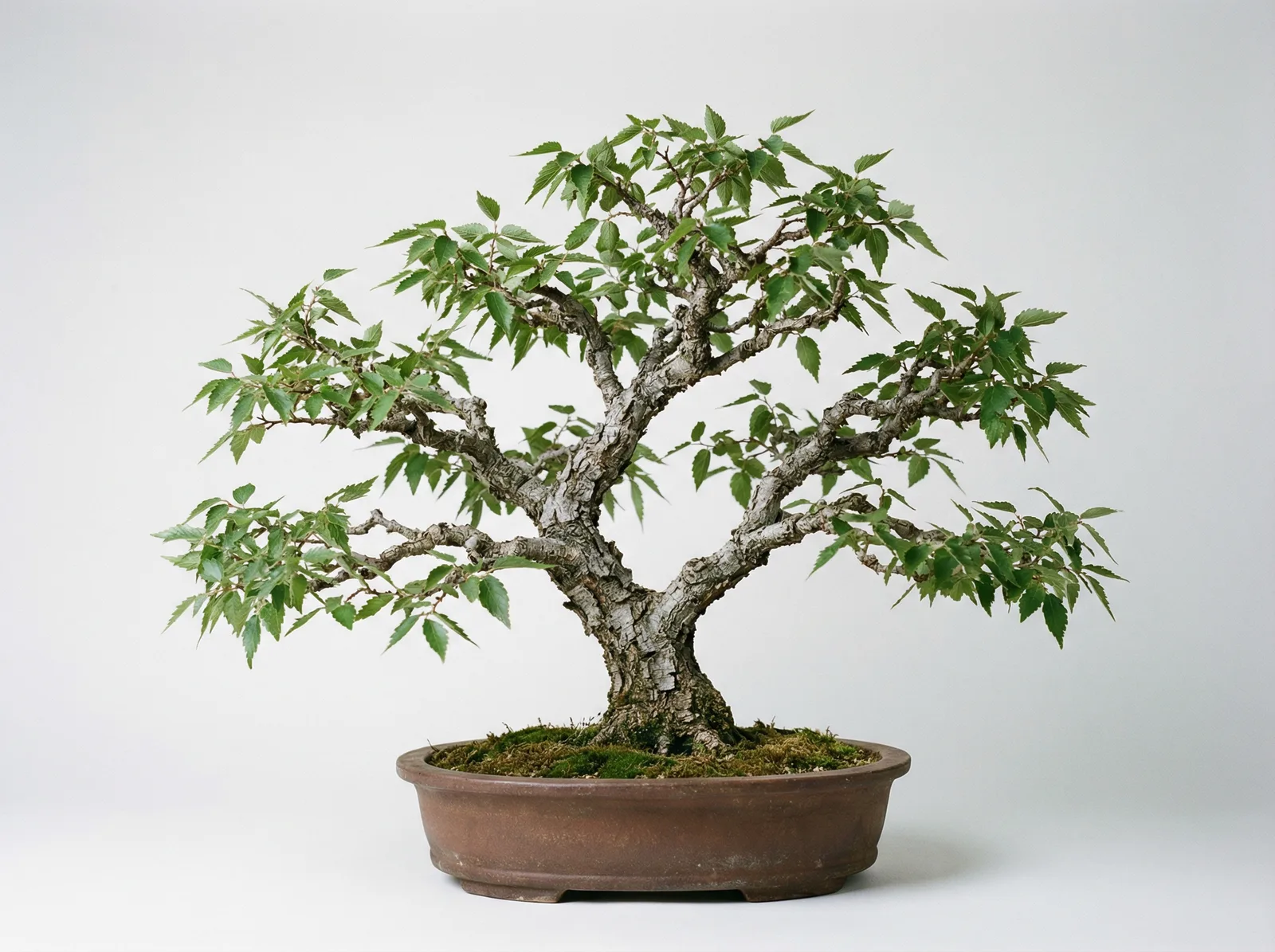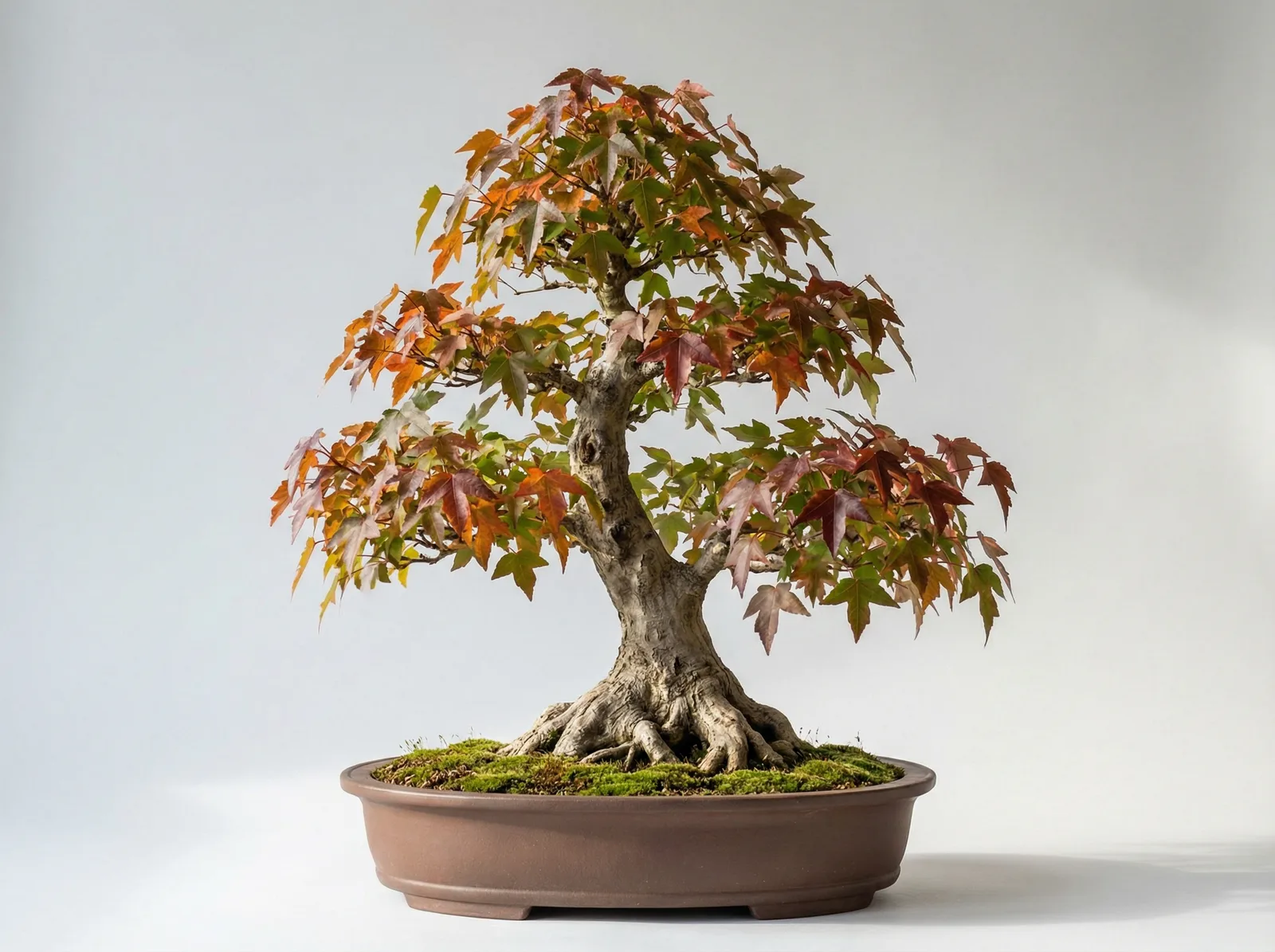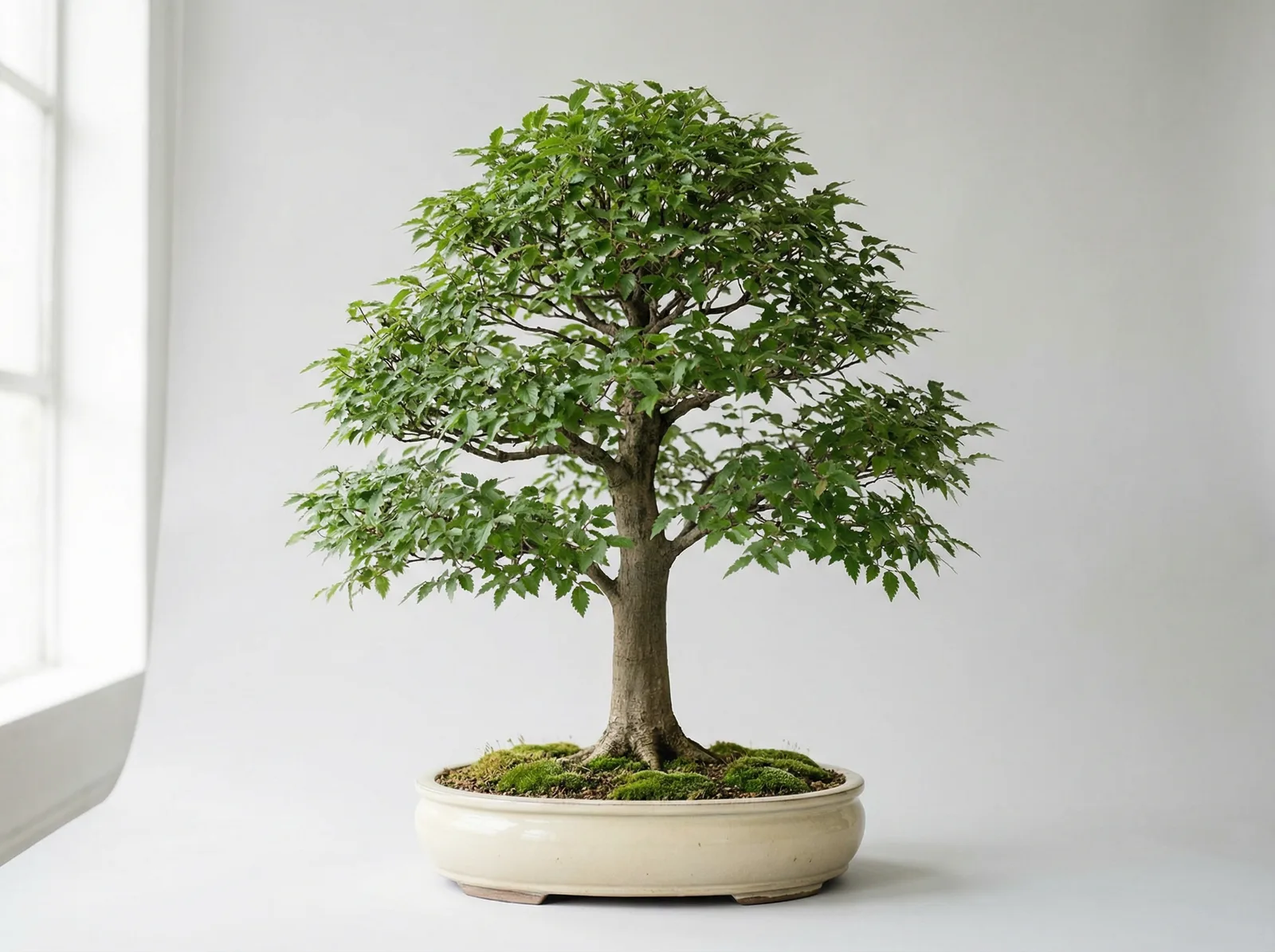
Ulmus parvifoliaboth
Chinese Elm Bonsai
- care
- beginner
- light
- full sun+
- zone
- 5–10
Ulmus parvifolia 'Corticosa' · Ulmaceae
Why grow it
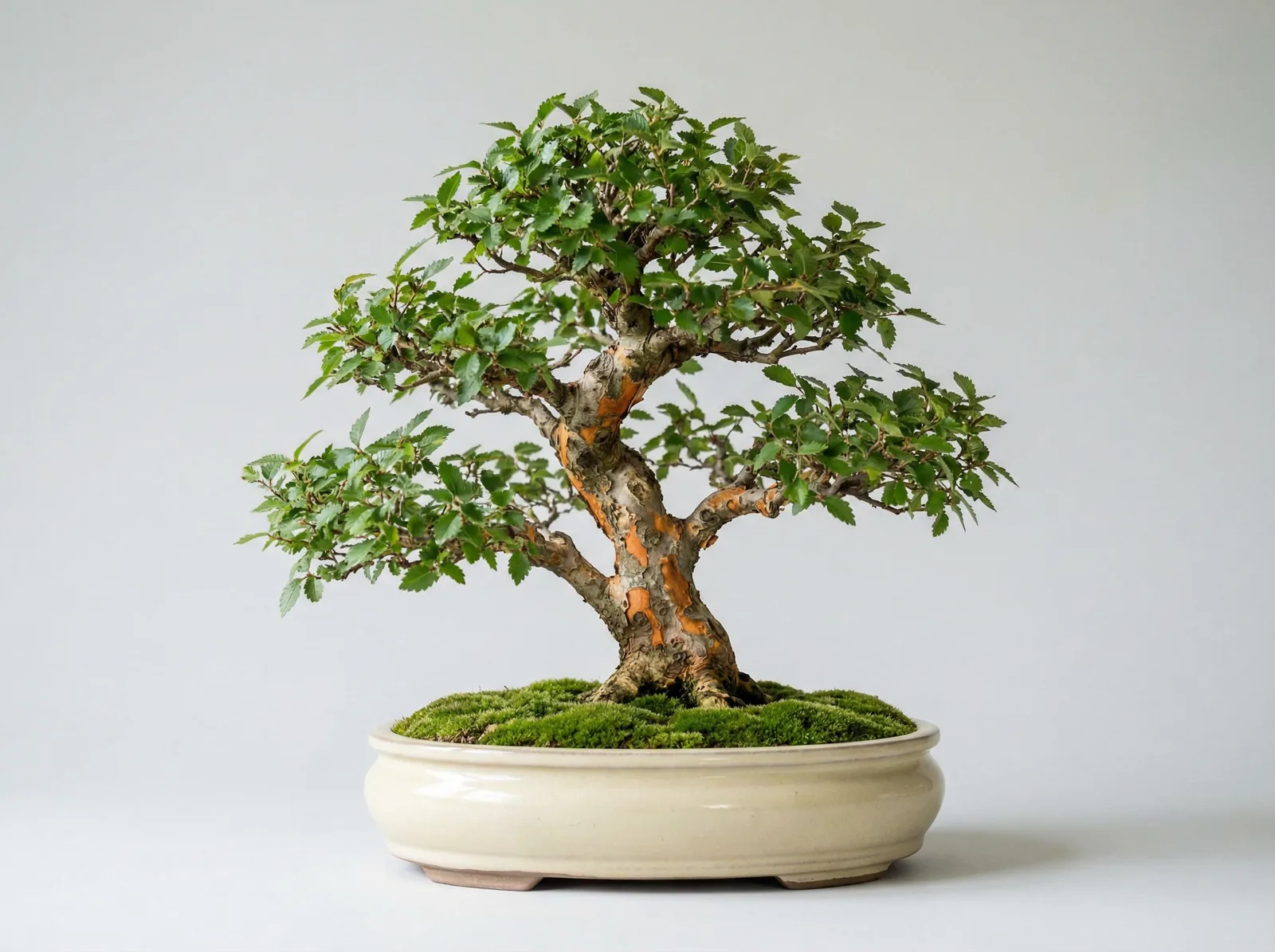
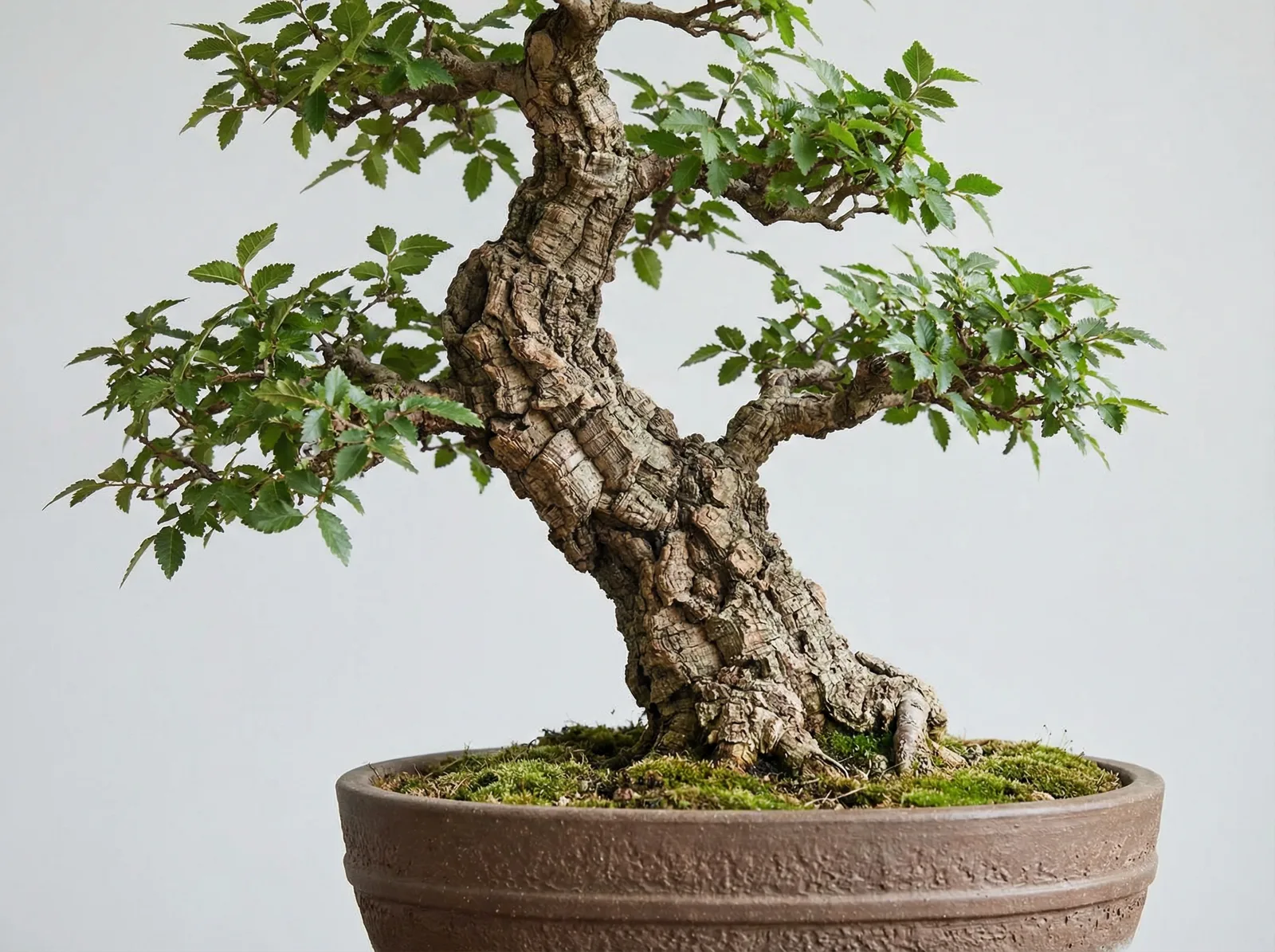
Cork bark elm takes everything great about Chinese elm bonsai and adds one spectacular feature: deeply fissured, corky bark that makes even a young tree look ancient. While a regular Ulmus parvifolia might need 20 years to develop interesting bark, the 'Corticosa' cultivar looks weathered and old in five to seven. That's a significant shortcut.
Same species as Chinese elm, just a cultivar selected for exaggerated bark texture. You get all the same toughness, small leaves, and fine ramification, plus that incredible bark. It's one of the fastest paths to a tree that looks genuinely old without actually being old.
Cork bark elms work both indoors and outdoors, though outdoor growing produces noticeably thicker bark and better overall health. If you keep one inside, give it maximum light and seriously consider moving it outside for summer. The temperature swings and seasonal changes trigger more cork production.
The routine
Care is almost identical to regular Chinese elm -- these are tough, adaptable trees. Water when the soil surface starts to dry, feed with Biogold or any balanced organic fertilizer every two weeks during growing season, and provide as much light as possible. Not much to overthink here.
The one thing that sets cork bark care apart: protect that bark. Don't wrap wire directly on the trunk or primary branches. The corky texture compresses and tears under wire pressure, and the damage takes years to fill in. Use guy wires for trunk positioning and clip-and-grow for shaping. Save the wrapping wire for thin secondary branches where bark is still smooth.
Cork Bark Elm looking rough right now?Skip to common problems below, or start with the symptom guide.Outdoor growing produces dramatically better bark. The seasonal temperature swings trigger heavier cork production. If yours lives indoors, move it outside from May through September at minimum. The difference in bark development is noticeable within a single season.
Pest-wise, same as any Chinese elm. Aphids on new spring growth, occasional scale, spider mites in dry conditions. Weekly water spraying prevents most problems.
Shaping
Prune throughout the growing season. Let shoots reach six to eight leaves, then cut back to two or three. Cork bark elms back-bud reliably from old wood, so cut with confidence. The tree pushes new growth without hesitation even from thick branches.
Structural pruning in late winter before buds break. Remove branches, adjust the trunk line, refine the silhouette. Seal large cuts with cut paste -- corky bark heals slowly around big wounds, so paste helps prevent dieback around the cut edge.
Defoliation in early summer accelerates leaf reduction. Strip every leaf from a healthy vigorous tree and the second flush comes in noticeably smaller. One defoliation per season maximum.
Dead branch stubs on cork bark elm can look interesting rather than ugly. The corky texture absorbs them into the overall character of the trunk. Don't over-clean the tree. A little roughness adds to the aged appearance you're building.
The bark that makes this cultivar worth growing is also its one hard styling rule: never wire the trunk or primary branches. Corky bark compresses and tears under pressure, and the damage takes years to fill in. Shape the trunk with clip-and-grow, position primaries with padded guy wires, and save actual wiring for thin secondary branches where the bark is still smooth -- checking /tools/wire-gauge if you're unsure what those can take.
Informal upright and broom styles showcase the bark best. That thick, textured trunk is the star, so pick a style that keeps it visible. Heavy foliage hiding the trunk defeats the purpose of growing 'Corticosa' over a regular Chinese elm.
Root-over-rock compositions look exceptional. The textured bark and exposed roots create an intense sense of age and weathering. Choose a rock with complementary texture -- rough volcanic rock paired with corky bark looks like they grew together.
Forest plantings with three to seven trees of varying sizes work too. Mix cork bark specimens with regular Chinese elms for textural contrast in the grove.
When things go wrong
Bark damage from wire is far and away the most common mistake. One careless wiring session can ruin cork that took five years to build -- once compressed or torn, the bark takes years to recover. Use alternative methods. Always.
Scale insects love hiding in bark crevices, which makes them harder to spot than on smooth-barked trees. Check branch junctions and under bark fissures regularly, and treat per the pest guide at /guides/pest-control. Leaf spot fungus -- dark spots on leaves in humid weather -- is cosmetic: improve air circulation, avoid wetting the foliage, and pull the worst-affected leaves.
Branch dieback from insufficient light. Interior branches that get shaded out will die and won't regenerate. Thin the canopy regularly so light penetrates throughout. This is especially important for indoor trees.
And if a branch drops its leaves and you're not sure it's alive, don't judge by the bark -- cork looks dead even on thriving wood. Scratch a hidden spot on a smooth secondary branch instead: green under the surface means wait, dry brown means prune it off.
Cork bark elm cultivars are less common than regular Chinese elms but widely available from bonsai vendors. Expect $50-150 for pre-bonsai with visible bark development. Trees with heavy cork command higher prices. They're worth it -- the bark is literally the whole point of this cultivar.
Check specialty nurseries at bonsai shows and conventions for the best in-person selection, and search a vendor's catalog for 'Corticosa' or 'cork bark' rather than browsing general elm listings. Avoid buying online without clear close-up photos of the bark -- quality varies enormously between individual trees.
Also on the bench