Chamaecyparis obtusa 'Nana'outdoor
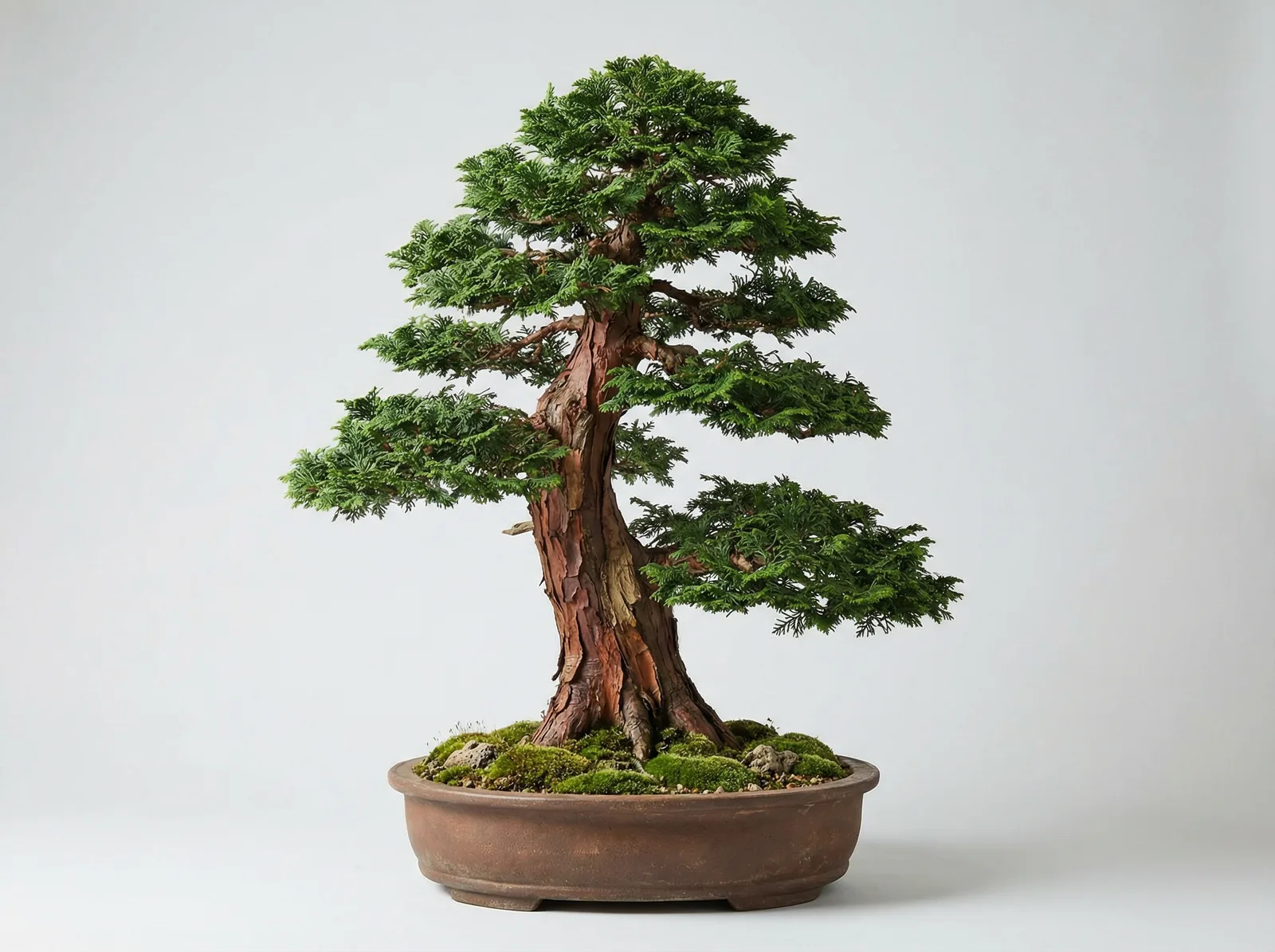
Hinoki Cypress Bonsai
- care
- intermediate
- light
- full sun+
- zone
- 5–8
Taxus baccata · Taxaceae
Why grow it
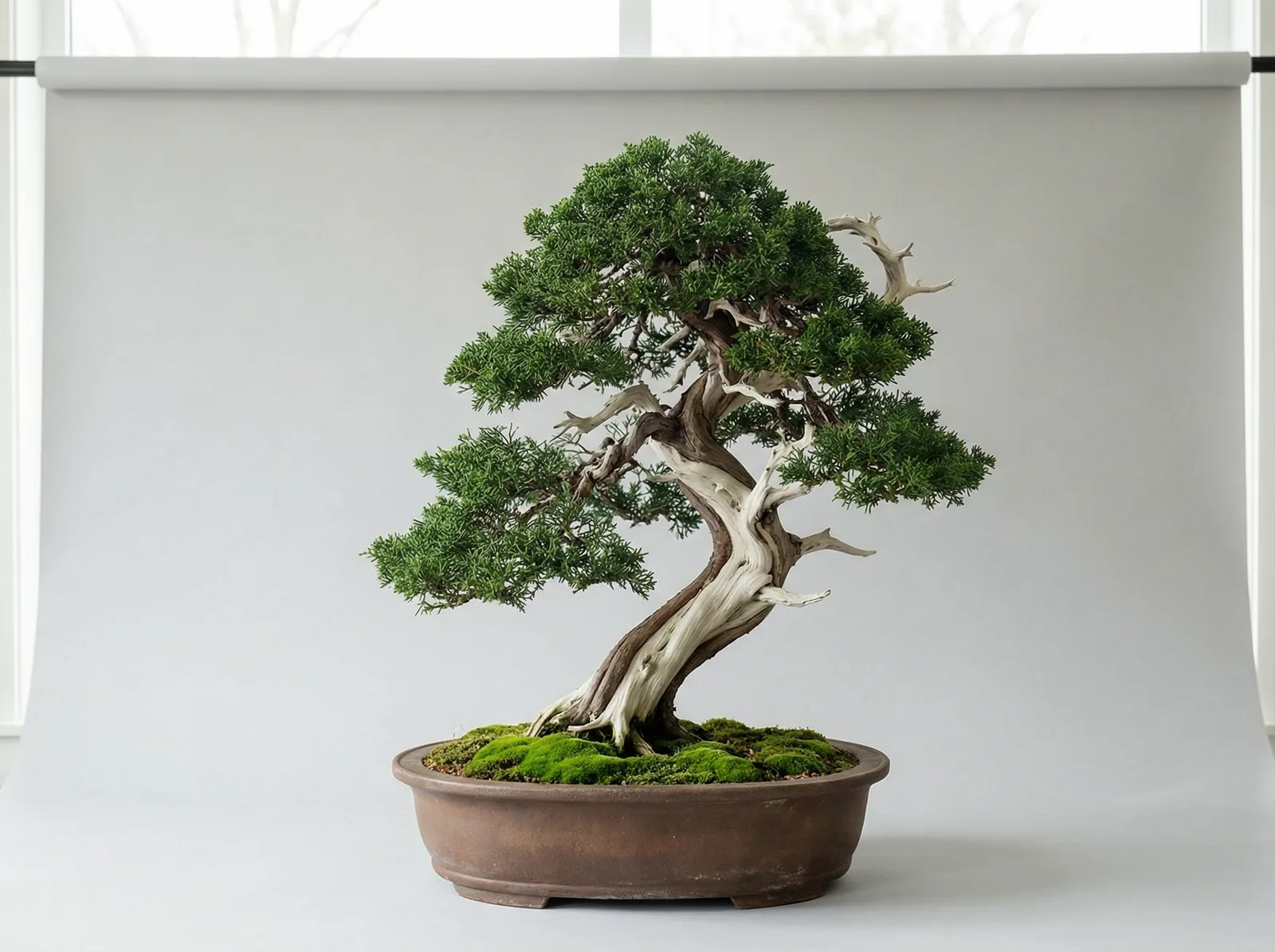
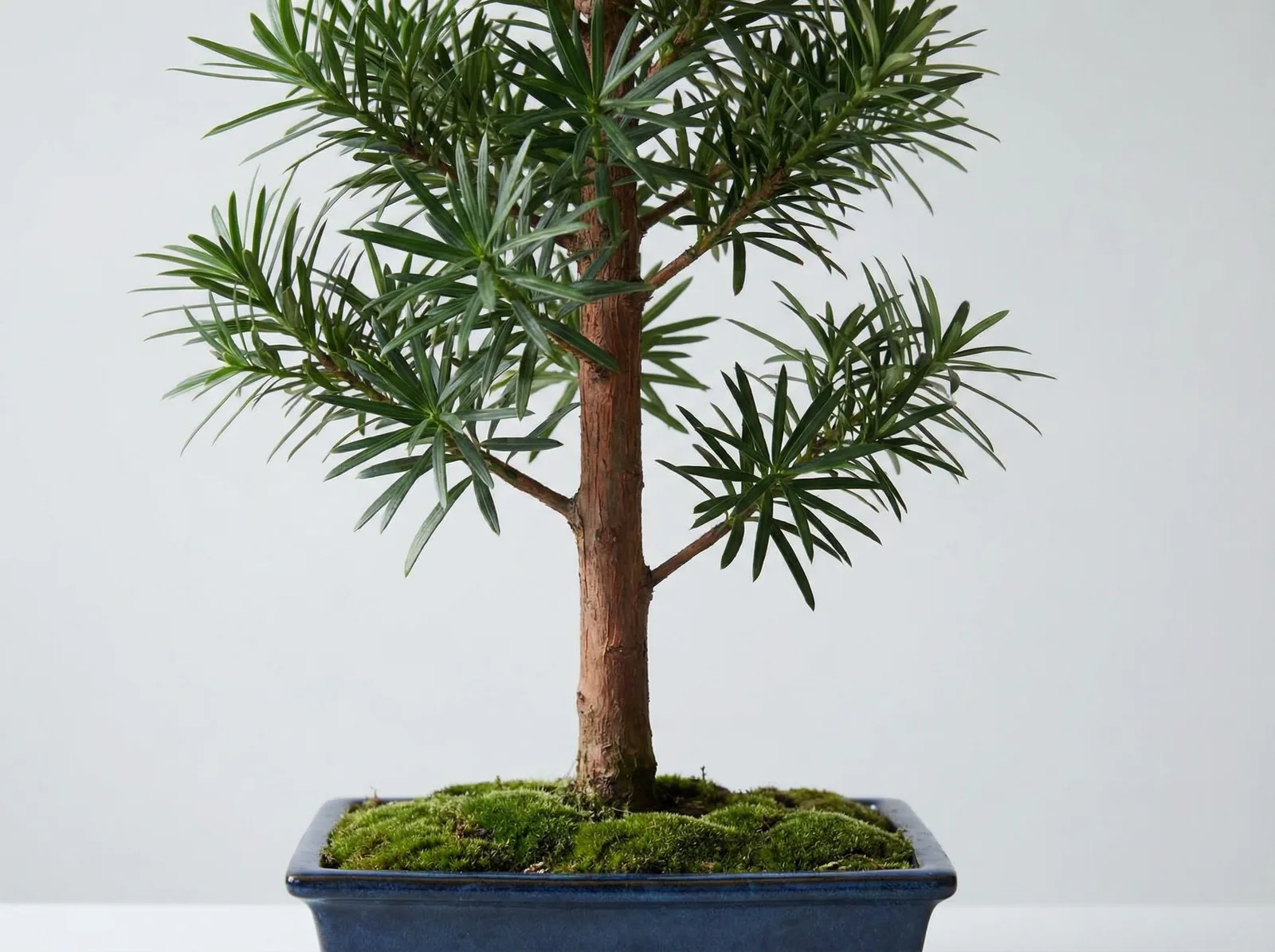
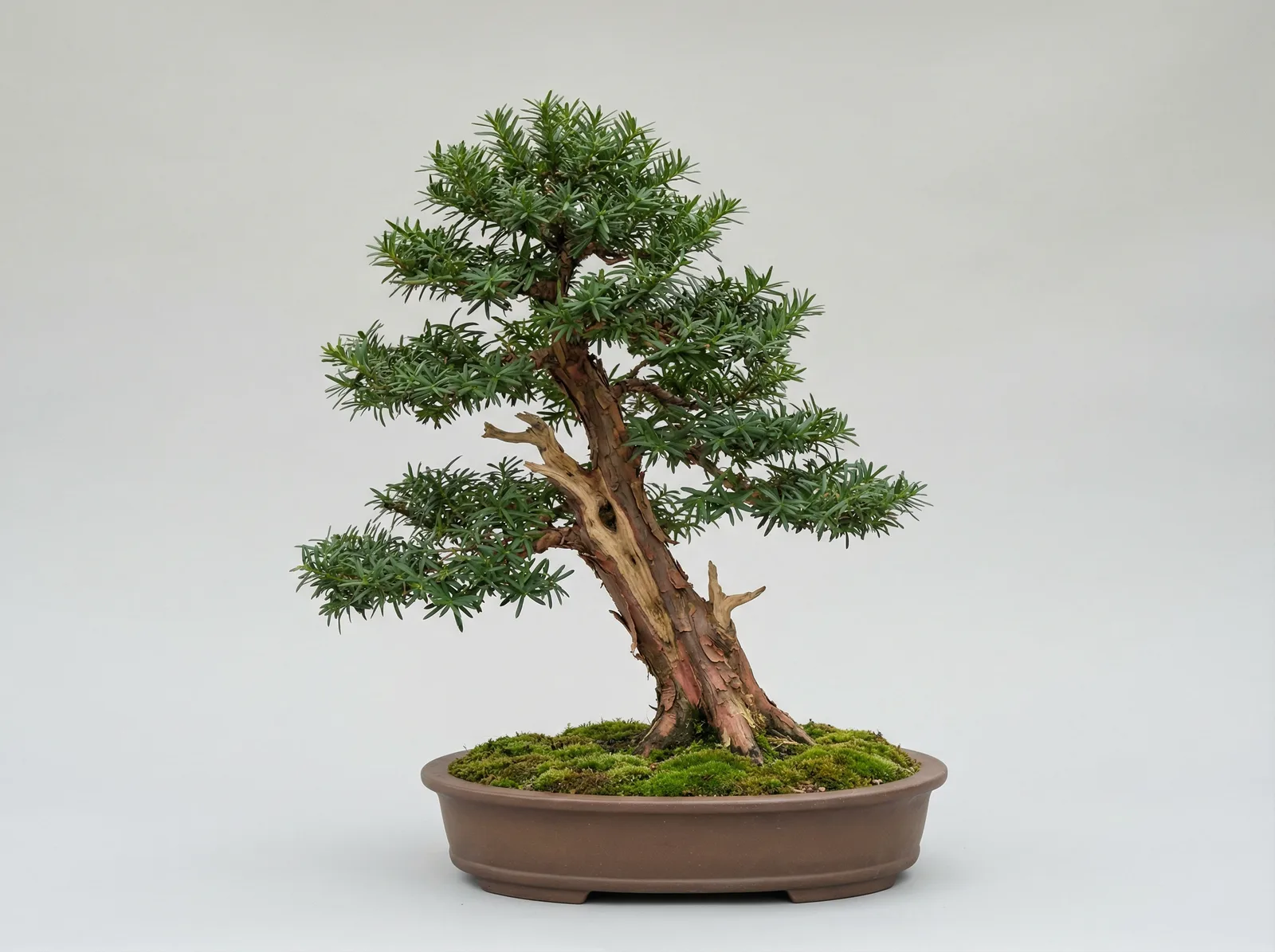
Yew bonsai carry the weight of centuries. Taxus baccata lives longer than almost any European tree, and they bring that ancient quality to bonsai in a way that's hard to describe until you see it. The reddish-brown bark peels to reveal patches of purple and orange underneath. Dark green, flat needles form dense pads. And when old branches die, they produce pale, bone-white deadwood that contrasts against the dark canopy like a natural sculpture.
Here's what sets yew apart from other conifers: they back-bud from old wood. Even from thick trunk sections. That's rare for a conifer, and it gives you options that juniper and pine simply don't offer. You can cut a yew hard and expect new growth to fill in. It takes time, but the flexibility is remarkable.
Collected yew -- yamadori from old churchyards, hedgerows, and mountainsides -- is some of the most spectacular bonsai material in Europe. But even nursery yew makes respectable bonsai with patience. One warning: all parts of the yew are toxic to humans and animals if ingested. Keep away from pets and small children.
The routine
Yews are low-maintenance. Really. They don't demand constant attention, just consistent basic care. But the biggest mistake -- the one that kills more yews than everything else combined -- is overwatering. Yew roots need air. Keep the soil soggy and the roots suffocate, rot sets in, and the tree is done before you realize something's wrong.
Water moderately and evenly. Check the soil daily but don't water on autopilot. Water when the soil is starting to dry, not when it's still damp. In winter, once a week is usually plenty, depending on your conditions.
Yew looking rough right now?Skip to common problems below, or start with the symptom guide.Light is flexible, which is a genuine advantage. Yews handle full sun or partial shade, making them one of the most adaptable conifers for different bench setups. Got a shaded spot where nothing else wants to grow? Yew is your candidate. That said, more light means denser foliage.
Feed monthly with a low-nitrogen organic fertilizer during the growing season. Biogold at half rate works well. Yews are slow growers, and heavy feeding just pushes soft, leggy shoots that don't match the tree's natural compact character.
Shaping
Prune new growth throughout the growing season. When shoots push two to three inches, cut them back to the first few needle clusters with sharp shears. Yews bud from old wood more reliably than any other commonly grown conifer. Even thick, ancient branches will pop new buds after pruning. That's their superpower.
Structural pruning goes best in early spring before growth starts. Remove branches that don't serve the design, thin crowded zones, and reduce long branches. Yew wood is dense and hard -- use sharp bypass pruners or a fine-toothed saw for thicker cuts. Dull tools crush the wood and slow healing.
Don't strip a branch completely bare. Even though yews back-bud well, a totally defoliated branch recovers much slower than one with some foliage left. Leave needles on everything you want to keep.
Deadwood creation is outstanding on yew. The wood is hard, dense, and resists rot for years. Create jin from removed branches by peeling the bark with jin pliers. Carve shari along the trunk with a wood carving knife or Dremel. Apply lime sulfur to preserve and bleach the deadwood -- the pale white against dark green foliage is one of bonsai's most striking contrasts.
Design a yew around its deadwood first and its foliage second. Informal upright, slanting, and literati all work as frameworks. But the signature yew style is driftwood -- sharimiki -- where carved deadwood dominates the trunk and a narrow vein of living bark feeds the remaining foliage. Collected yew are often styled this way because they already have natural deadwood that tells a story.
Wiring can be done year-round, but spring and fall are ideal. Yew branches are pleasantly flexible and hold position well once set, and the wood is dense enough that copper earns its keep over aluminum here. Wrap visible sections with raffia to prevent bark scarring, and plan on 12 to 18 months before removal -- slow growth means bite-in is gradual. Our wire gauge tool (/tools/wire-gauge) will size wire for these strong branches.
Foliage pad development takes years of consistent pruning. There's no rushing it. Build density by letting branches extend, then cutting back. The dark green needles against pale deadwood and that reddish, peeling bark -- the contrast is extraordinary. Aim for clear separation between pads so the trunk, bark, and deadwood stay visible.
When things go wrong
Root rot from overwatering. That's the number one killer, bar none. Yew roots need oxygen more than most species. If your tree goes yellowish-green and the soil stays wet between waterings, root rot has likely started. Repot immediately into a fast-draining mix -- 60% pumice and lava rock, 40% akadama -- and cut your watering frequency in half.
Vine weevil larvae are a serious threat, especially in containers. The grubs eat the roots underground where you can't see the damage until the tree starts declining. Adults chew notches in leaves at night. If you find root damage during repotting, treat the soil with beneficial nematodes. Check for adults on the foliage after dark with a flashlight.
Scale insects show up as small brown bumps on stems and needle undersides that don't brush off easily. Catch them before they spread -- the pest control guide (/guides/pest-control) walks through treatment.
Slow growth frustrates impatient growers. Yews are slow. There's no changing that. Plan in decades. If that sounds too long, start with bigger material -- nursery stock with thick trunks or collected specimens with existing character.
The scratch test earns its keep on yew because the species holds dead foliage convincingly. Thumbnail-scratch a suspect branch: green means live cambium, dry brown means it's gone -- though on a yew, a dead branch is rarely a loss. That's tomorrow's jin.
Nursery yew is cheap and everywhere -- it's one of the most common hedge plants in existence. Buy 1-3 gallon stock for $10-25 and look for interesting root bases and some trunk movement. Hedge-grade yew with a thick, chopped trunk makes excellent bonsai starter material specifically because yews bud so freely from old wood. That chopped stump will sprout.
Collected yew from old hedgerows and churchyards is legendary material, especially in the UK and continental Europe. Ancient trees with incredible natural deadwood and gnarly trunks. Prices range widely -- $50 for rough material to several hundred for show-potential stock. Bonsai clubs, specialty dealers, and yamadori collectors are your sources. Japanese yew (Taxus cuspidata) is also available from specialty vendors if you prefer a slightly different needle texture.
Also on the bench