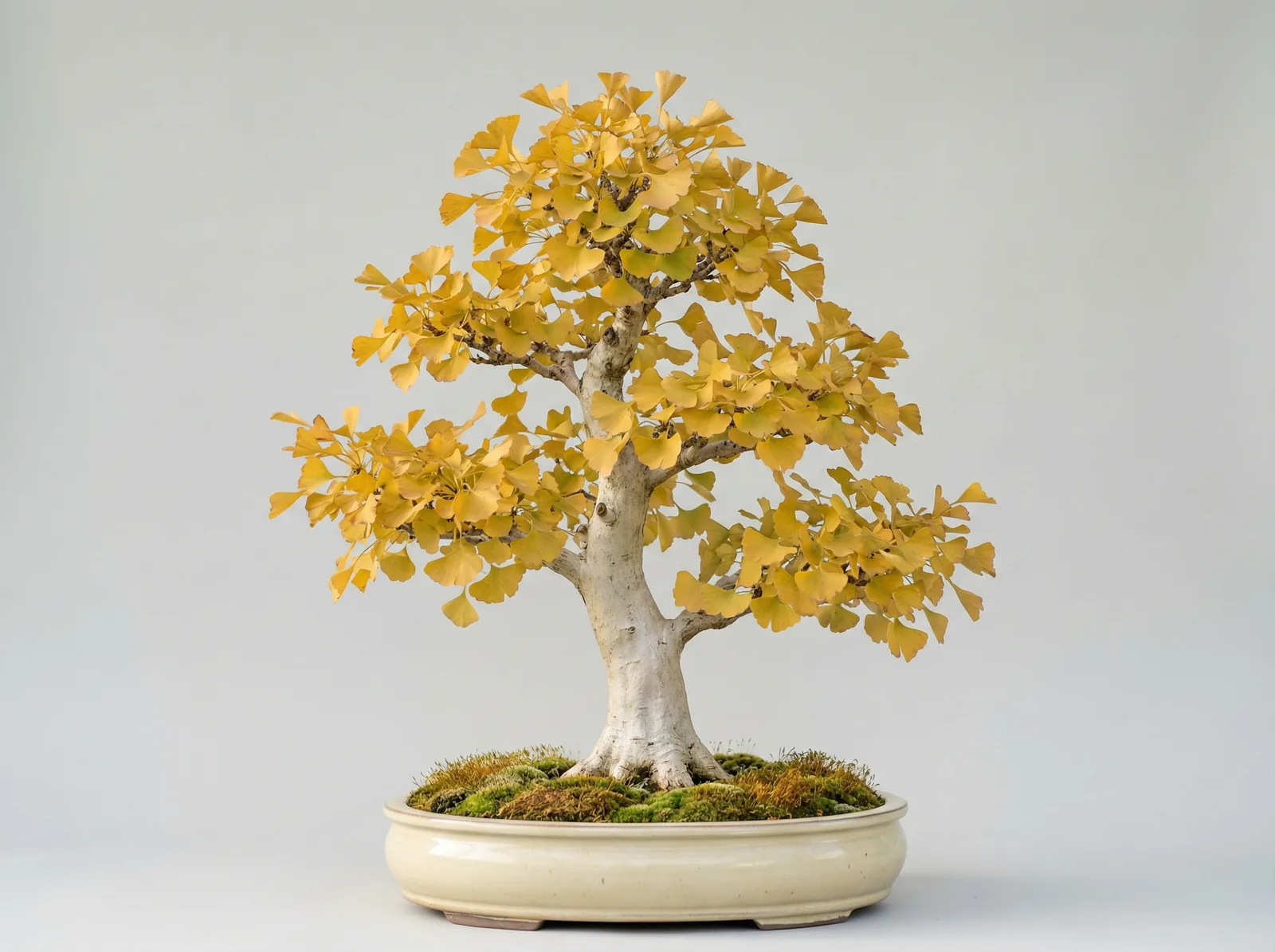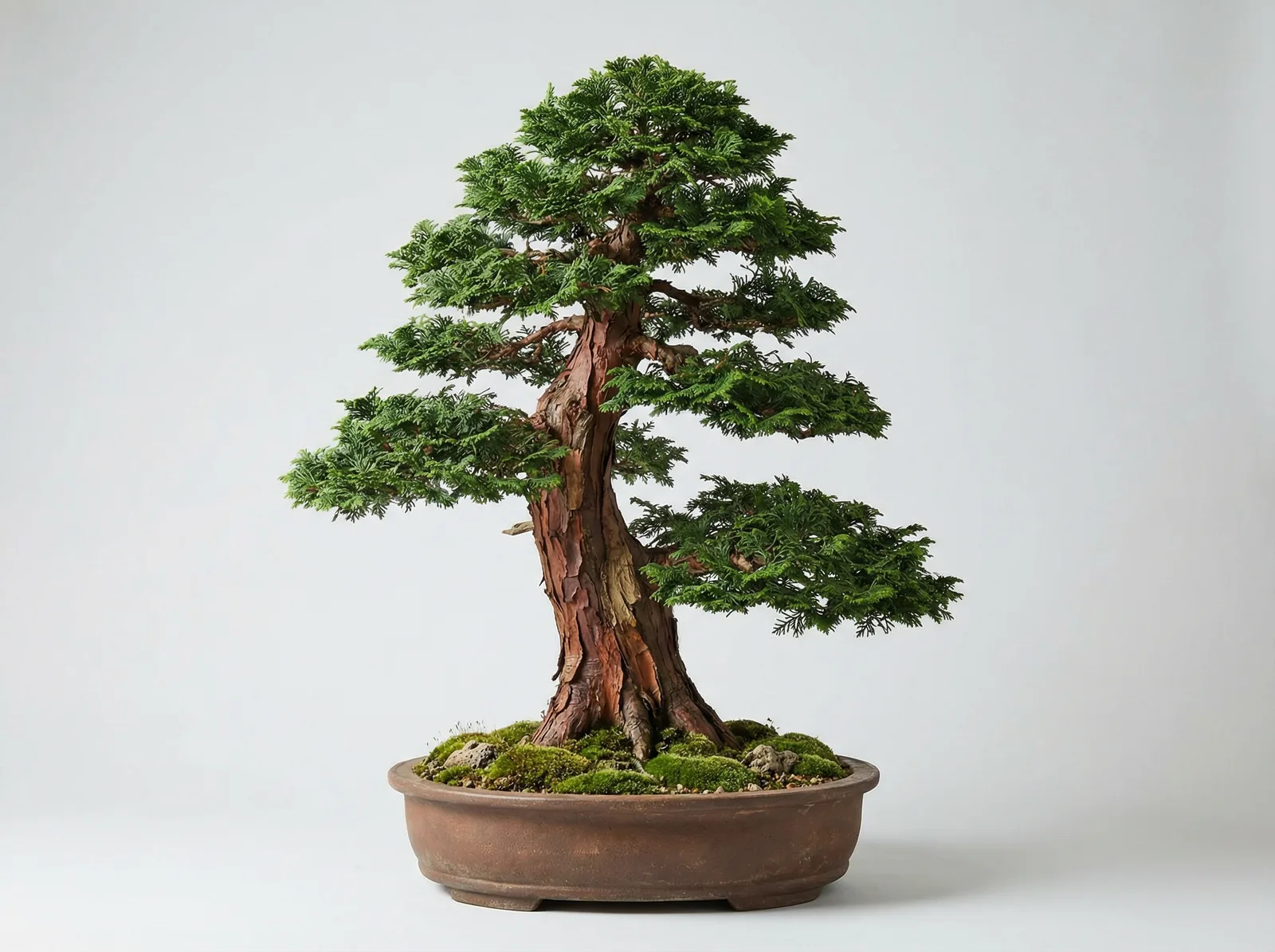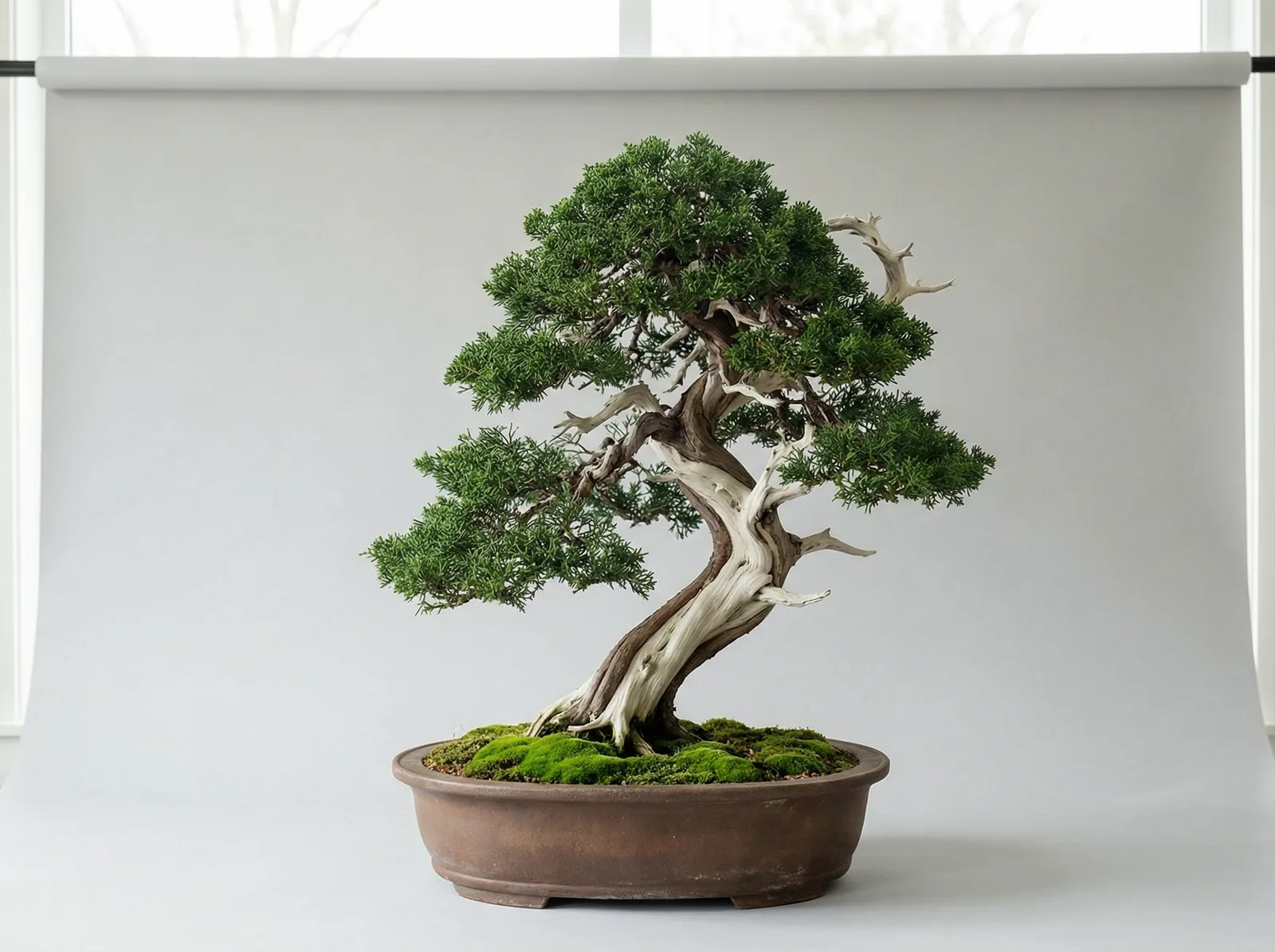
Taxodium distichumoutdoor
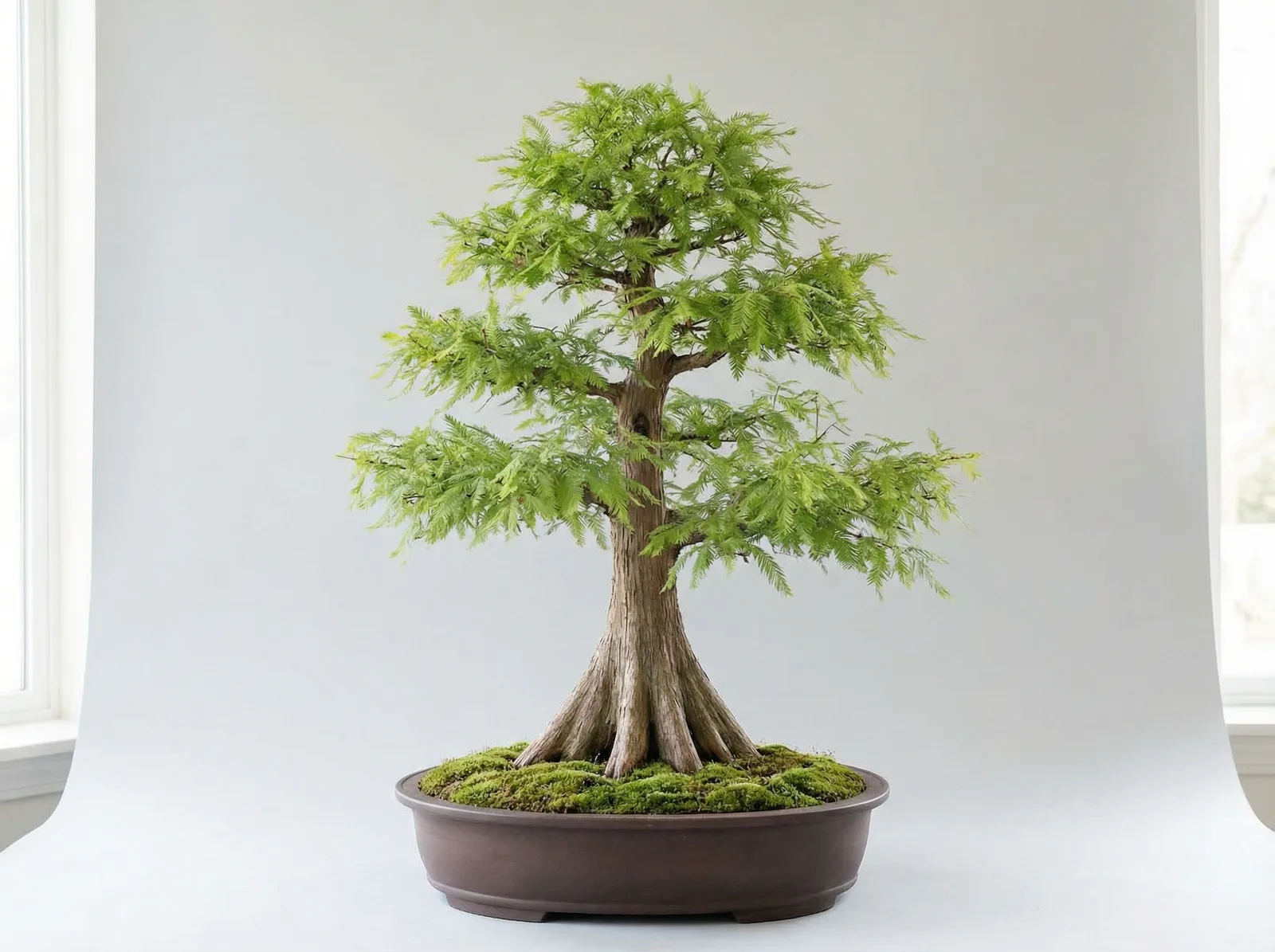
Bald Cypress Bonsai
- care
- intermediate
- light
- full sun
- zone
- 4–10
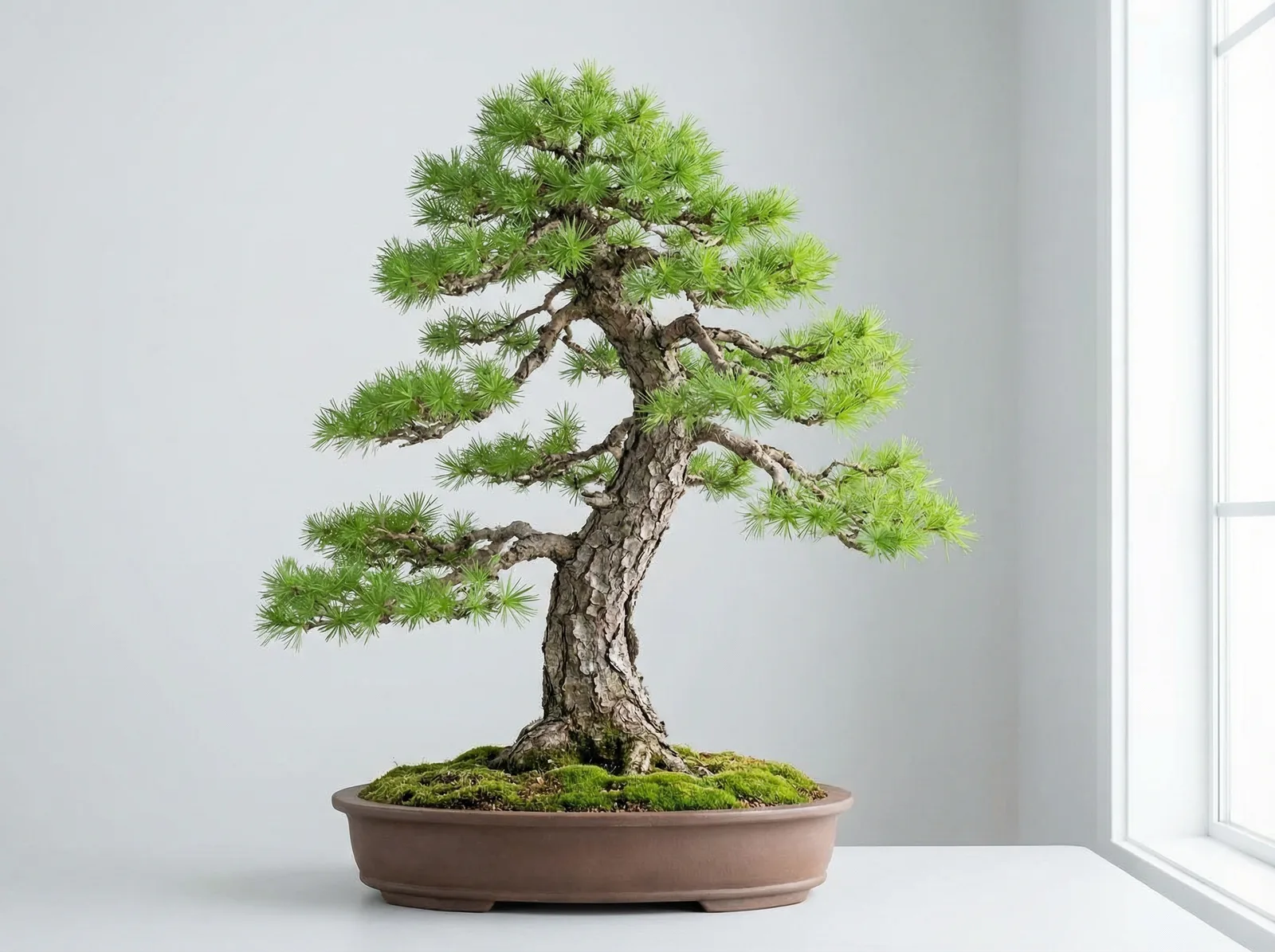
Larix decidua · Pinaceae
Why grow it
Larch is the conifer that breaks the rules -- it drops all its needles every fall. And instead of being a disadvantage, that's exactly what makes larch bonsai extraordinary. You get four distinct seasons: electric green spring buds emerging from bare branches, lush summer canopy, golden-yellow fall color, and a dramatic bare winter silhouette that puts your branch work on full display. No other conifer offers that.
Both European larch (Larix decidua) and Japanese larch (Larix kaempferi) are popular for bonsai. They grow at a reasonable pace, develop rugged bark, and respond well to styling. The soft needles emerge in dense tufts from short shoots, creating a texture unlike any other conifer.
Forest plantings are where larch reach their peak. Five to seven trees in a shallow tray, changing through every season -- from the first bright green buds to the bare winter outlines. It's one of the most beautiful compositions in bonsai. Period.
The routine
Think mountain tree. Larch want bright sun, good air movement, and steady moisture. They're not tropical trees tolerating still, humid air -- they evolved on exposed alpine slopes where the wind never stops.
Watering is your primary daily task. Larch needles transpire heavily, and the trees drink more than you'd expect during active growth. A larch that wilts from drought may never fully bounce back. Check soil morning and evening during hot weeks in July and August. Don't gamble.
Larch looking rough right now?Skip to common problems below, or start with the symptom guide.Fertilizing consistently makes a visible difference in needle quality. Underfed larches produce long, sparse needles that look thin and weak. Well-fed trees have short, tight clusters that look refined. Start with Biogold or a balanced organic pellet early in spring, keep it up through September, and ease the frequency back to monthly from late summer.
Winter is the easiest season. Leave the tree outside. It wants cold. It needs cold. Protect the pot in extreme conditions (below minus 20 degrees Fahrenheit at the root zone), but the tree itself handles anything. After the needles drop in October or November, cut back watering to once or twice a week -- checking the soil first, and never watering it frozen.
Shaping
Pinch new candles in spring as they extend. Use your fingers to remove about half the length of each candle before the needles fully unfurl. This keeps internodes tight and forces denser growth from the remaining bud points.
Structural pruning goes in late winter before buds swell. Remove branches that don't serve the design, thin crowded areas, and clean up the basic framework. Larch heal wounds reasonably well, but apply wound paste to any cut wider than a pencil to prevent dieback.
Summer work is refinement. Shorten long shoots to a few needle clusters, remove anything growing straight up or straight down, and thin dense tufts to let light reach inner buds. Larch bud on old wood reliably, so cutting back hard to older branches is a safe move.
One advantage over pine: no needle pulling needed. Larch drop all their needles naturally every fall, giving you a clean slate each spring. It's like an annual reset button for your pruning strategy.
Larch punishes slow wire habits like no other conifer. Branches thicken all season, and wire that would sit safely on a pine for a year will bite a larch in weeks -- check every two to three weeks and take wire off at the first sign of tightening. The reward for that vigilance shows up every fall: the needles drop and your branch structure stands completely exposed. Larch styling gets judged naked, so build a winter silhouette first and let the foliage be the bonus.
Forest plantings are the gold standard. Group odd numbers of trees -- five, seven, or nine -- with varying trunk diameters in a long, shallow pot, staggering heights and spacing for depth. Watching a larch forest run from first green buds to golden fall to bare winter outlines is almost unfair to other compositions.
Individual trees work best as informal upright or literati. Larch grow with natural trunk movement, and the fine branching builds graceful silhouettes. Wire in late winter or early spring before buds open -- young wood is flexible, old wood brittle, so guy-wire anything you can't bend safely. The wire gauge tool (/tools/wire-gauge) will pair wire to branch thickness.
When things go wrong
Yellowing needles during the growing season -- not in fall -- usually means overwatering or poor drainage. Check your soil mix. Healthy larches have bright green needles from spring straight through summer. If they're yellowing in July, something's wrong at the roots.
Larch woolly adelgid is the most common pest. Look for white, cottony masses clustered on branches and at needle bases. Treat with horticultural oil or insecticidal soap -- you may need two or three applications spaced ten days apart to fully clear them.
Wire scars are the most common self-inflicted larch wound. Grooves from wire left even a few weeks too long take years to grow out. Rewiring a branch costs twenty minutes; a scar costs five years of patience.
Dieback from pruning cuts can extend further than you expect. When removing a branch, always cut back to a healthy lateral branch rather than leaving a stub. Stubs die back and the rot can travel into the trunk. Seal larger cuts with wound paste.
One seasonal reminder: a larch that's bare in November is dormant, not dead. A larch that browns in July needs investigating. The scratch test settles either case -- nick a twig's bark with a fingernail and look for green. Green cambium means live wood; brown and papery means work down the branch until you find where life stops.
Landscaping nurseries in northern regions stock larch affordably -- $15-40 for 1-3 gallon trees. Look for trunk movement and low branching. Pass on perfectly straight nursery stock unless you plan to use it in a forest planting where straight trunks work fine.
Collected larch (yamadori) from mountain regions is some of the most spectacular bonsai material available. Natural deadwood, dramatic movement, alpine character. Prices range from $100 to $500+ depending on size and quality. Check bonsai clubs and specialized yamadori dealers. Japanese larch (Larix kaempferi) pre-bonsai is available from specialty vendors for $50-200.
Also on the bench