Fagus sylvaticaoutdoor
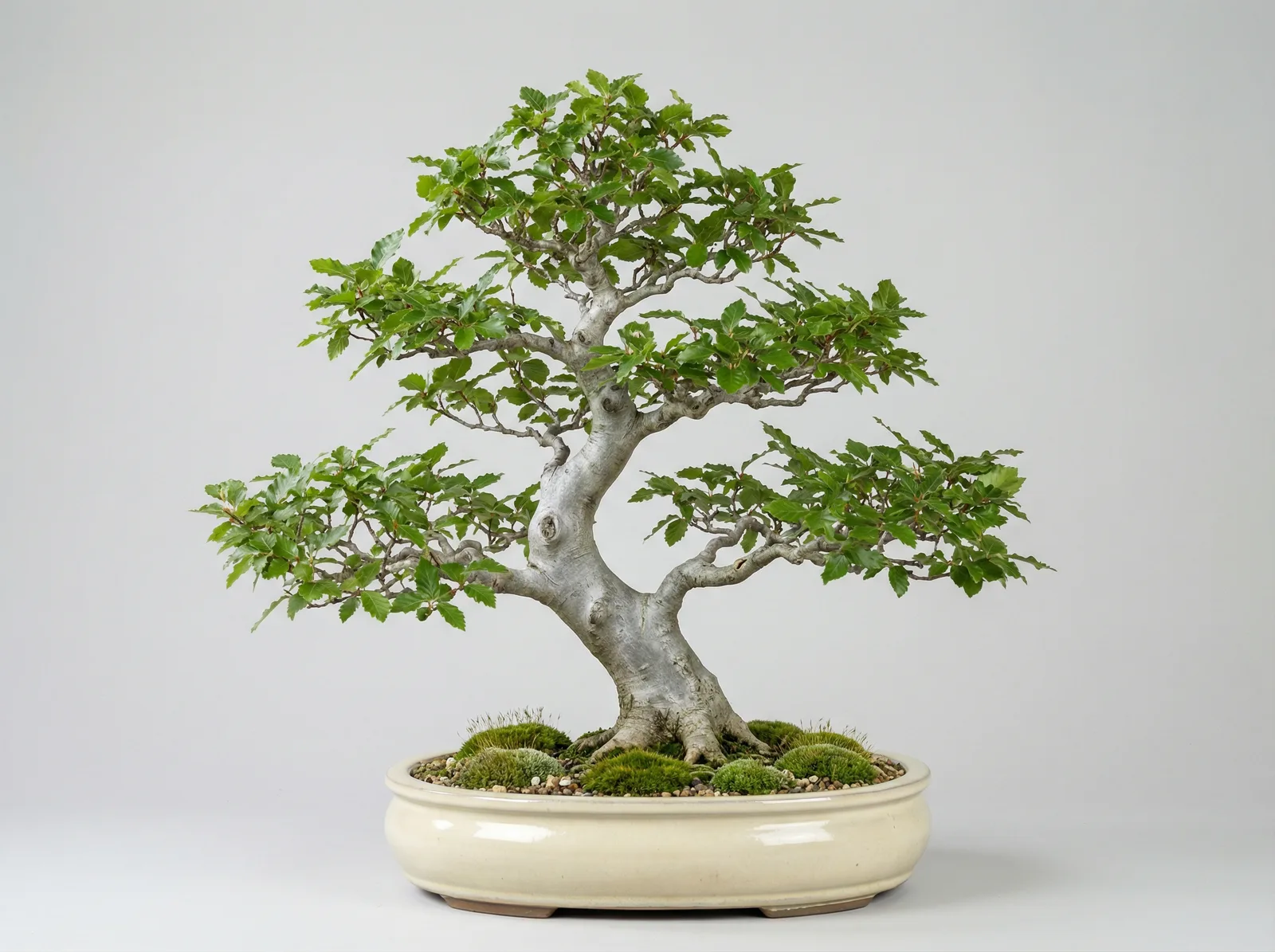
Beech Bonsai
- care
- intermediate
- light
- full sun+
- zone
- 4–8
Ginkgo biloba · Ginkgoaceae
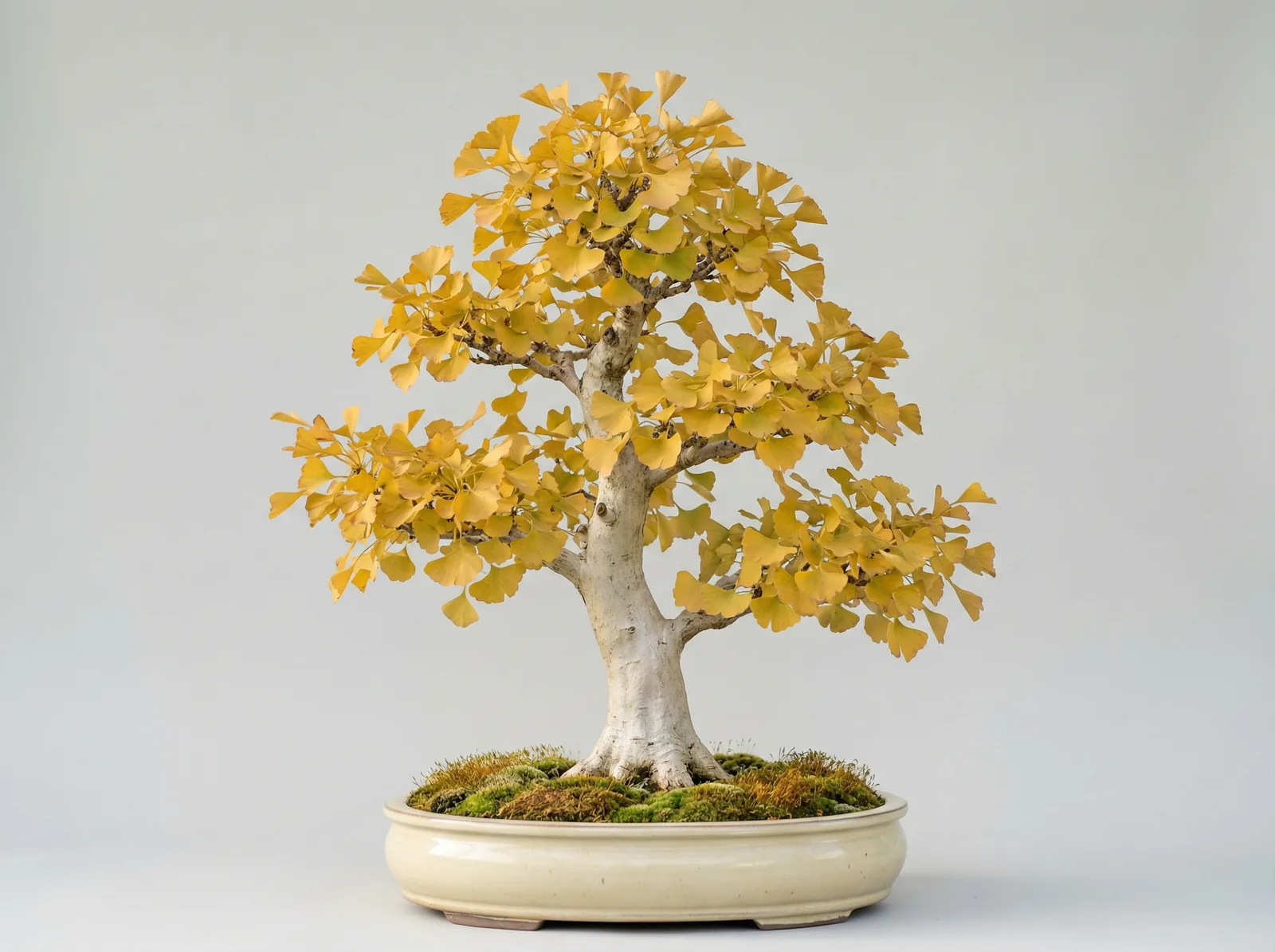
Why grow it
Ginkgo biloba is a living fossil -- the last surviving member of a plant family that's 270 million years old. Dinosaurs browsed these fan-shaped leaves. Let that sink in for a second. No other bonsai species connects you to deep time like this one. And then in October, the whole tree turns gold overnight and drops every leaf at once. It's theatrical in the best possible way.
As bonsai, ginkgo plays by different rules. The branches are thick, stiff, and don't ramify the way maples or elms do. Building fine twig structure takes years -- many years -- of careful pruning. Most ginkgo bonsai lean into bold, sculptural forms rather than delicate branching, and that's the right call.
This is a tree for growers who appreciate deep history and have a long time horizon. A mature ginkgo bonsai with developed trunk taper and a full canopy of those unmistakable fan leaves is a tree nothing else in the hobby can imitate. Getting there takes patience. Worth it.
The routine
Ginkgo are tougher than almost anything else on your bench. They shrug off pollution, ignore pests, and resist disease about as well as anything in the hobby. Your main job isn't keeping the tree alive -- it's managing growth and building structure over time.
Watering is forgiving. Those thick, fleshy roots store moisture, giving you a buffer if you miss a day. But don't get lazy about it -- consistent moisture produces the best growth and the brightest fall color. Check the soil daily during the growing season.
Ginkgo looking rough right now?Skip to common problems below, or start with the symptom guide.Sunlight is the growth lever. More sun means shorter internodes, smaller leaves, and more intense autumn gold. If your ginkgo is pushing long, leggy shoots with big floppy leaves, it needs a sunnier spot. Move it.
Winter care? Leave it outside. Don't even think about bringing it in. Ginkgos need proper cold dormancy and are among the hardiest deciduous bonsai species alive. They handle temperatures that would kill most other trees without flinching. Wrap the pot in zones 3-5, but the tree itself is bulletproof.
Shaping
Patience is the operative word. Ginkgo grow in long, straight shoots with widely spaced nodes -- frustrating if you're used to species that naturally produce short internodes. Let new shoots extend to five or six leaves, then cut back to two or three. This forces dormant buds to activate below the cut and gradually -- gradually -- builds ramification.
Do structural pruning in late winter before buds break. Remove crossing branches, inward growth, and anything that doesn't serve the design. Ginkgo heal wounds slowly compared to maple or elm. Keep cuts clean and as small as possible. Seal anything larger than a pencil width with wound paste.
Partial defoliation in early June can reduce leaf size. Remove the largest leaves only, leaving smaller ones intact. This lets light hit interior buds and encourages a second flush of smaller foliage. Only do it on a healthy, well-fed tree with strong roots.
Accept that this is a long game. Five years of consistent pruning to see meaningful ramification. Ten years for something really refined. There's no shortcut with ginkgo.
Ginkgo make you design around a limitation: the branches barely ramify and turn brittle with age. Chasing the fine twig structure of a maple wastes years. The traditional answer is the flame -- a compact, upright silhouette built from a few strong branches, dense with fan leaves in summer, unapologetically bold in winter. Sculptural beats delicate with this species, every time.
Formal upright suits straight trunks; informal upright covers most nursery and collected material. Multi-trunk and clump styles come naturally because ginkgo push basal shoots readily -- a three- or five-trunk clump with good taper variation is a classic presentation.
Wire only young shoots, in late spring while they're still flexible, and let /tools/wire-gauge tell you what they can carry. Once the wood hardens, switch to clip-and-grow or guy wires -- a mature ginkgo branch snaps before it bends. No exceptions.
Branch taper is the long game. Ginkgo thicken quickly near the trunk but don't divide into fine twigs easily, so build structure by cutting back to secondary branches over years. This is a decade-long project for most trees, not a weekend styling session.
When things go wrong
Leggy growth is the most common complaint. Long internodes with oversized leaves mean the tree needs more light and earlier pruning. Don't let shoots run. Cut back sooner and more often, and move the tree to a sunnier position.
Slow ramification frustrates growers used to maples or elms. Here's the reality: ginkgos don't ramify like those species. They just don't. Consistent pruning over years is the only path. If you want instant gratification, grow something else.
Root rot in poorly draining soil hits the fleshy ginkgo roots hard. These roots are susceptible to fungal attack when they sit in waterlogged conditions. Make sure your soil drains fast -- 60/40 inorganic to organic mix, with good pumice content.
A leafless ginkgo can look convincingly dead well into spring -- the buds are small and the branches stiff. Before giving up on one, scratch the bark with a thumbnail: bright green underneath means it's alive and simply leafing out on its own schedule; dry brown means that branch is gone.
Pests? Almost nonexistent. Ginkgo leaves contain natural compounds that repel most insects. The occasional spring aphid colony on soft new growth gets knocked off with a water spray. That's about it. One less thing to worry about.
Nursery stock ginkgo is widely available and cheap -- $15-30 for a 1-3 gallon tree. Be picky, though. Most nursery ginkgo are ramrod-straight telephone poles. Look for specimens with low branching and some trunk movement at the base. The dwarf cultivar 'Mariken' works well for smaller bonsai.
Specialty bonsai vendors occasionally carry pre-bonsai ginkgo for $50-200. The premium buys you trunk character and initial branch structure. Availability comes and goes -- ginkgo aren't as popular as maples or junipers in the bonsai market. When you see good material, grab it.
Also on the bench