Ficus microcarpaboth
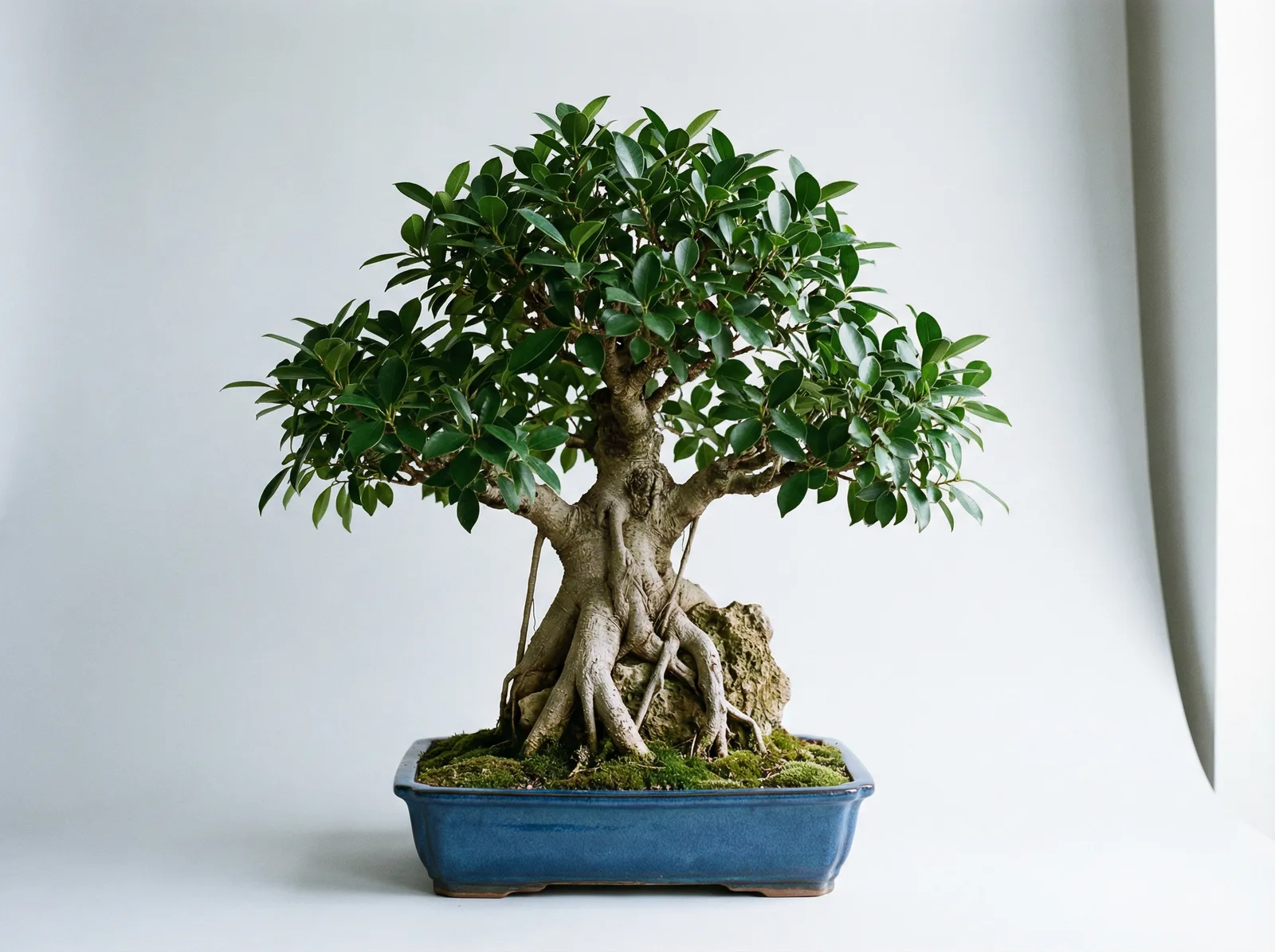
Ficus Bonsai
- care
- beginner
- light
- bright indirect
- zone
- 10–12
Araucaria heterophylla · Araucariaceae
Why grow it
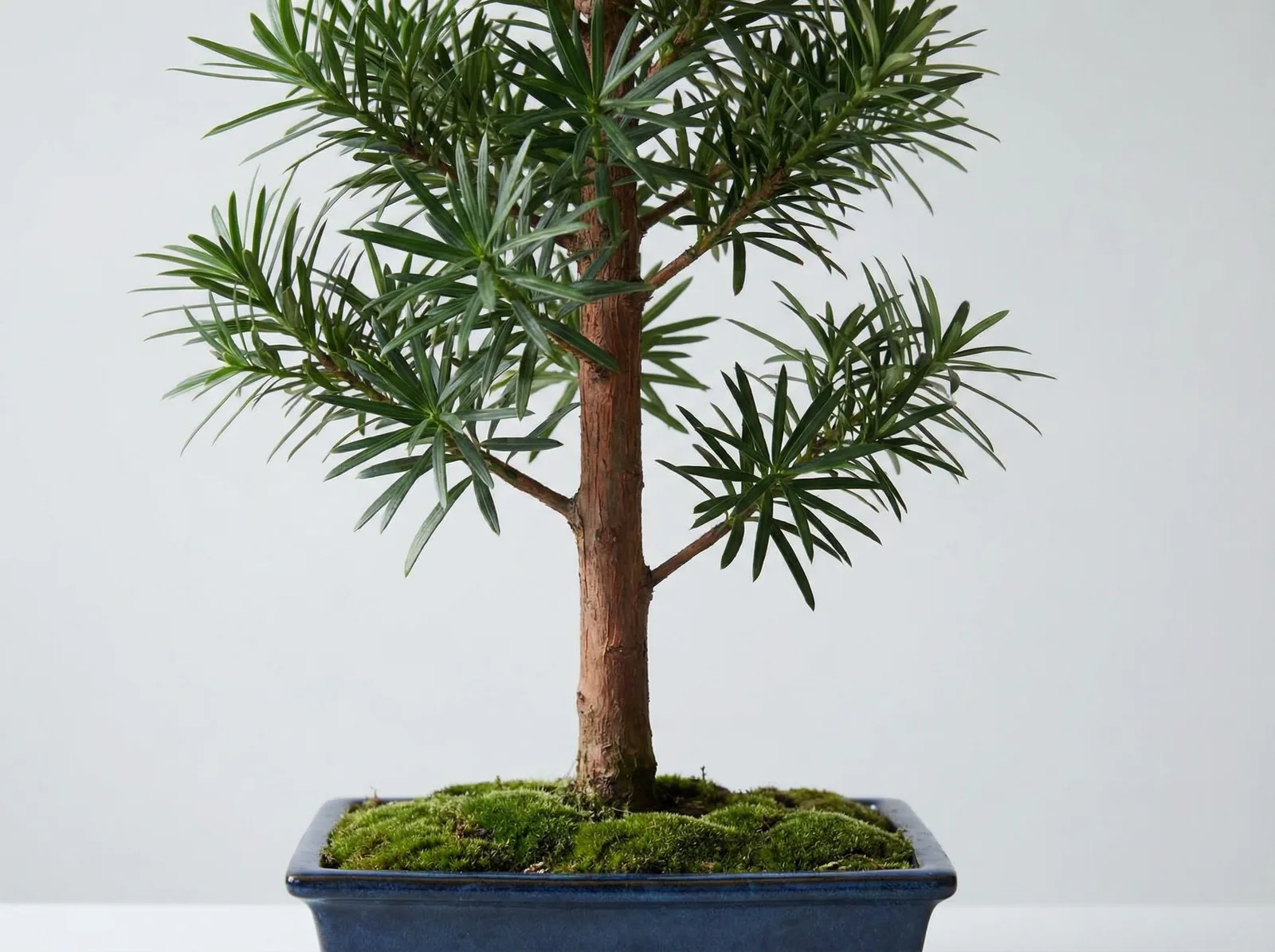
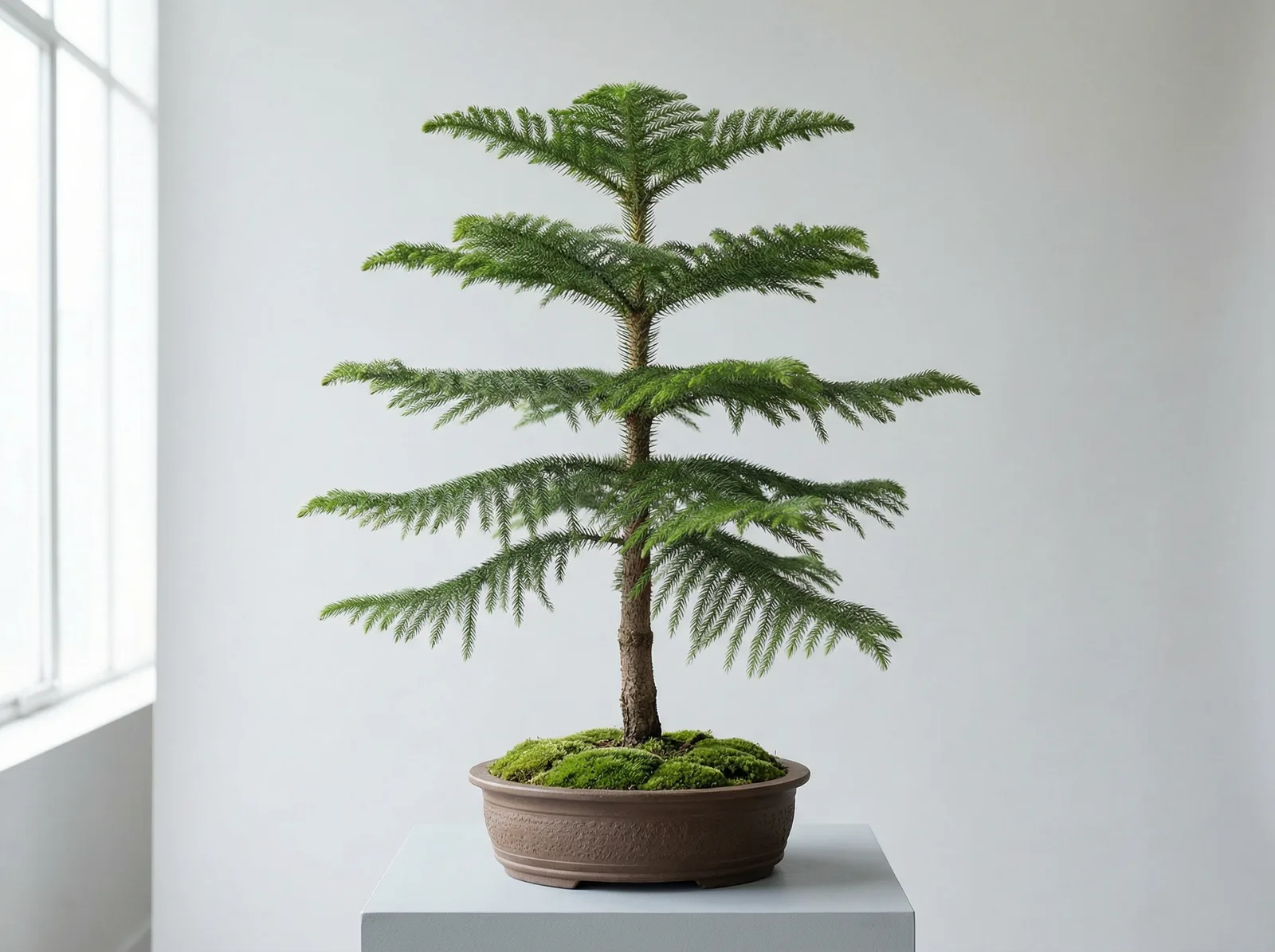
Norfolk Island pine bonsai are one of the few conifers you can actually grow indoors without it being a slow-motion funeral. Araucaria heterophylla has naturally symmetrical, tiered branching that creates a formal, architectural look right out of the box. No styling needed. No wiring. The tree does the work.
That whorled branch pattern is the whole show. Each tier radiates horizontally from the trunk like a perfectly balanced mobile. The soft, curved needles give the foliage a gentle, approachable texture you won't find on any other conifer. Millions get sold as tabletop Christmas trees every December, and most are gone by March—dry furnace air, not difficulty, is what takes them. If yours made it past the holidays, keeping it happy from here is very doable.
As bonsai, Norfolk pines grow slowly, which is part of the appeal. You're not fighting constant growth or pruning weekly. The tree adds one new tier of branches per season. It's unhurried, meditative bonsai. The kind of tree you check on, water, rotate a quarter turn, and leave alone.
The routine
Humidity is the make-or-break factor for Norfolk pine indoors. They come from a subtropical island where the air is perpetually moist. Central heating in winter drops indoor humidity to desert levels. Lower branches brown. Then they drop. And they're gone for good.
Run a humidifier nearby, use a pebble tray, or group your Norfolk pine with other plants to create a humidity pocket. Do whatever it takes to keep the air around this tree above 50% relative humidity.
Norfolk Island Pine looking rough right now?Skip to common problems below, or start with the symptom guide.Rotate the pot a quarter turn every week. Norfolk pines grow aggressively toward the brightest light source. Skip rotation for a month and you'll have a permanent lean. The weekly turn keeps the silhouette symmetrical.
Here's the hardest lesson: lost lower branches never come back. Ever. Norfolk pines don't push new growth from old trunk wood. If a lower tier of branches dies from drought, low humidity, or poor light, it's gone permanently. Protect those lower tiers like they're irreplaceable, because they are.
Winter care is minimal but specific. Less water, no fertilizer, stable temperature. No cold drafts, no radiator blasts. Keep conditions boring and predictable.
Shaping
Norfolk pines need less pruning than almost any bonsai species. The natural growth pattern is already formal and symmetrical -- your job is mostly to maintain it, not create it.
Remove dead branches and brown tips cleanly with sharp shears. Leave the central leader alone -- that's the growing tip at the very top, and removing it permanently alters the tree's form. No new leader will replace it. This is a one-shot deal.
If a branch gets too long for the proportions, trim the tips back. New growth will sprout from the remaining needles. But don't cut back to bare wood -- Norfolk pines don't reliably back-bud from needle-less branches. Leave green on everything you cut.
The only real structural decision is whether to remove an entire branch tier to adjust proportions. If a tier is crowding the ones above or below, cut it flush with the trunk. The remaining tiers continue growing normally. Think of it as editing, not sculpting.
Norfolk Island pine only does formal upright—and that's a feature, not a limitation. The natural growth habit is so perfectly formal -- straight trunk, symmetrical whorls, conical silhouette -- that trying to force it into cascade or windswept territory just looks wrong. Work with the tree, not against it.
The beauty lives in the proportions. Each branch tier should have visible space below it so the trunk shows. Don't let branches overlap vertically. If tiers start stacking on top of each other, remove one to restore the spacing.
Wiring is rarely needed because the branches already grow at good angles. If a minor adjustment is necessary, wire gently in spring with thin aluminum (check /tools/wire-gauge if unsure) -- young branches flex, but they snap when pushed too far. Remove wire before it bites.
Pot selection matters with this tree. Norfolk pines look best in formal, geometric pots -- rectangular or round. Glazed finishes in muted tones (cream, slate gray, celadon) complement the formal growth pattern. Rough, organic-looking pots clash with the architectural symmetry.
When things go wrong
Browning lower branches is the most common Norfolk pine complaint by a wide margin. Dry air, inconsistent watering, not enough light reaching lower tiers -- any of these will do it. Once a branch browns, you've lost it forever. The fix is prevention: humidity above 50%, consistent watering, and adequate light. If the whole tree looks rough, check the trunk before assuming the worst: scratch a small spot near the base, and green under the bark means the tree itself is alive even if some tiers are gone.
Leaning to one side means you forgot to rotate. The tree chases the brightest light aggressively. Start rotating weekly. If the lean is already established, place the sparse side toward the light and gradually correct over several months. Don't try to straighten it with wire.
Root rot from overwatering shows up as overall yellowing and a soft base. Norfolk pines need consistent moisture but not soggy feet. Make sure the pot drains completely after watering. Never let the base sit in a saucer of standing water.
Mealybugs and spider mites are the main pests. Mealybugs appear as white cottony masses tucked into branch crotches -- dab with rubbing alcohol. Spider mites cause stippled needles and fine webbing. Both respond to insecticidal soap. Good humidity keeps spider mites away.
Garden centers and big-box stores sell Norfolk pines by the truckload around the holidays for $10-30. That's your window. Buy one with a thick trunk, dense branches, and -- most importantly -- healthy lower tiers. If the bottom branches are already browning, pass. Those won't come back.
For year-round availability, Logee's, Hirt's Gardens, and specialty tropical nurseries stock them for $15-50 online. Pre-bonsai Norfolk pines are uncommon since most growers develop them from standard nursery plants rather than buying pre-trained stock. Start with the best nursery plant you can find and develop from there.
Also on the bench