Ulmus parvifoliaboth
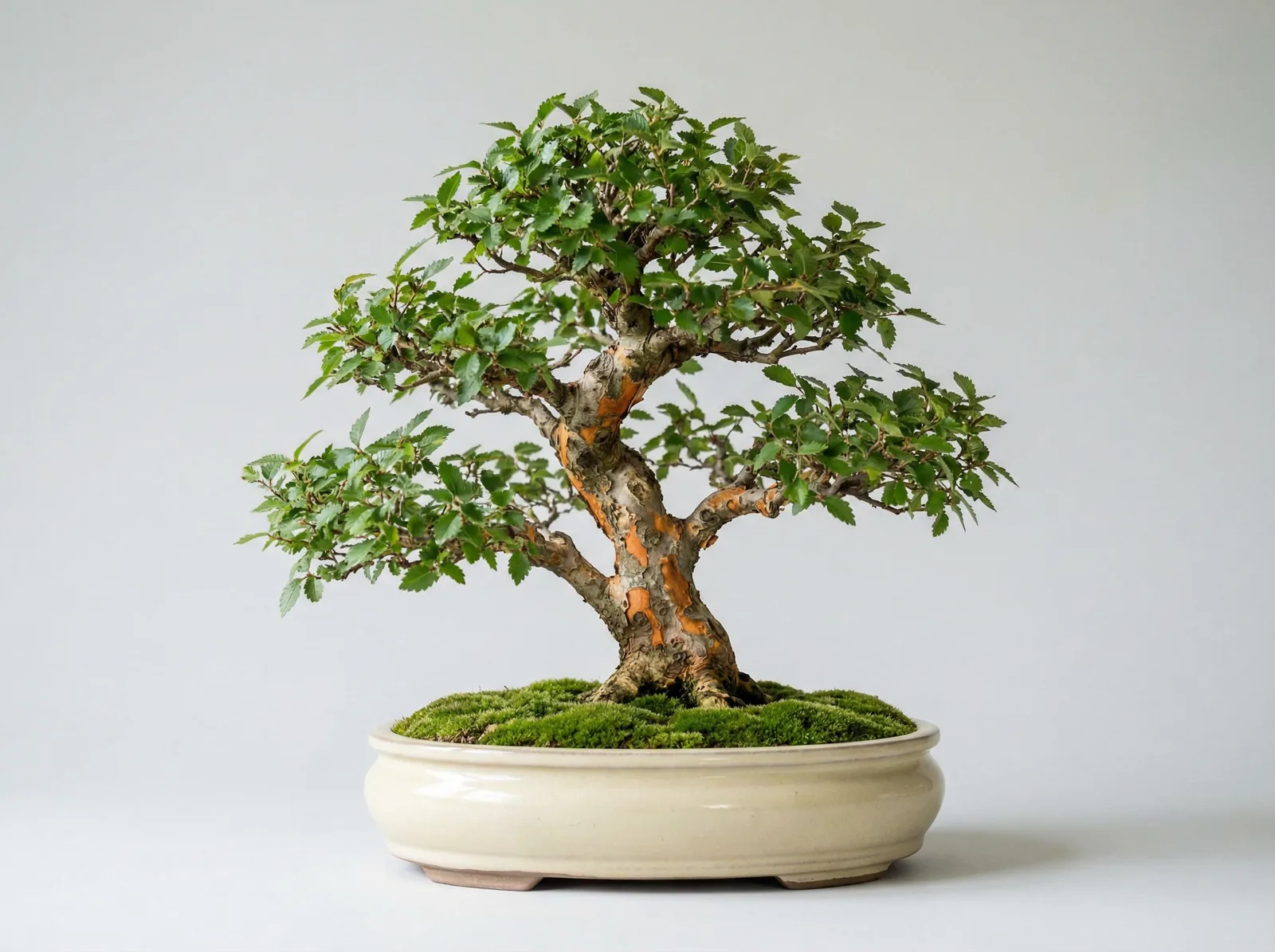
Chinese Elm Bonsai
- care
- beginner
- light
- full sun+
- zone
- 5–10
Ligustrum sinense · Oleaceae
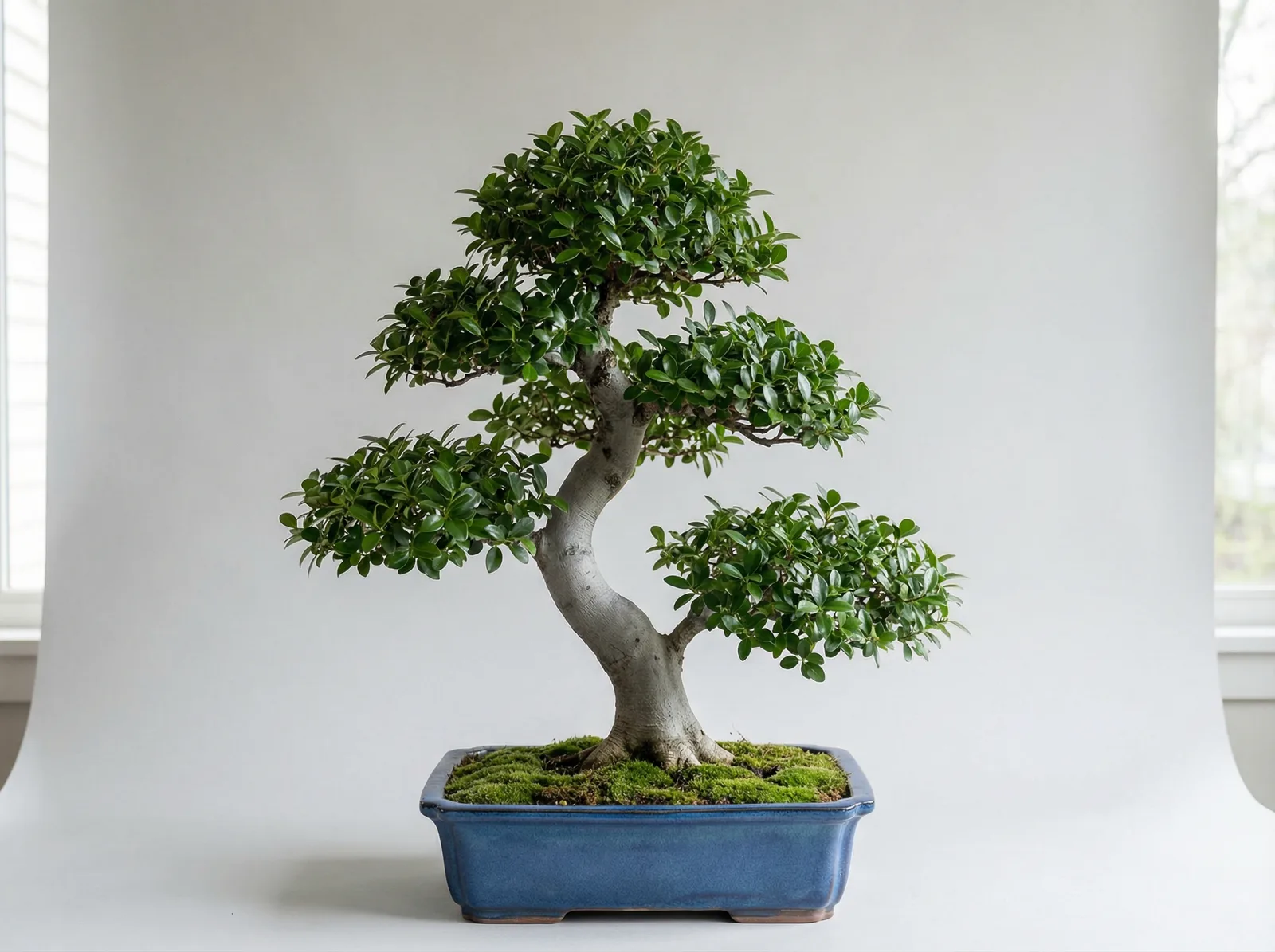
Why grow it
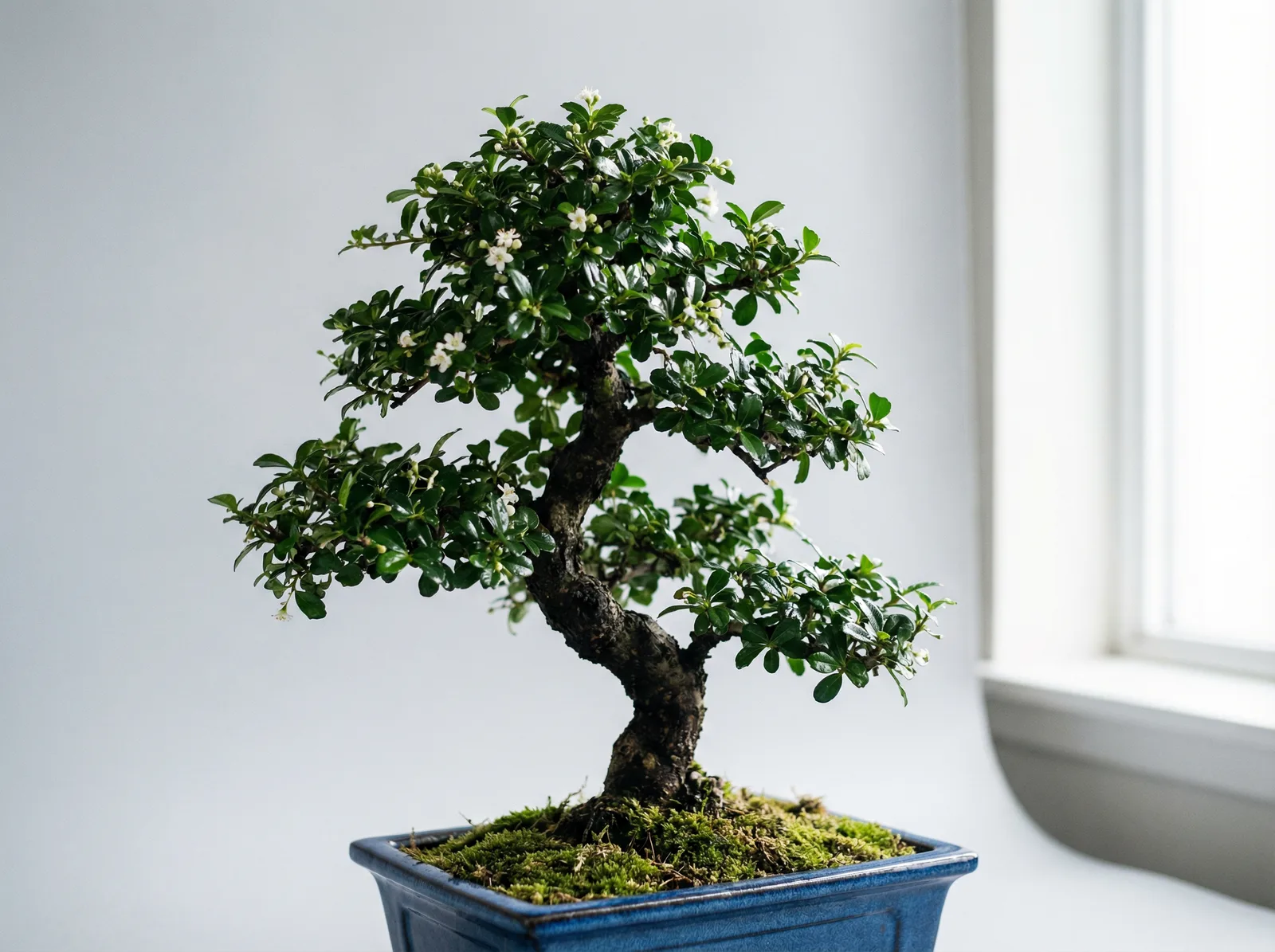
Privet is the workhorse of the bonsai world. Ligustrum sinense grows fast, tolerates abuse, and develops into a convincing bonsai quicker than almost anything else on your bench. Small oval leaves reduce beautifully with pruning, and the dense branching builds full, rounded canopies that look mature within a couple of years.
Chinese privet is the go-to species, though Japanese privet (L. japonicum) and common privet (L. vulgare) work just as well. The bark starts smooth and gains texture with age. White flower clusters in spring give way to small dark berries -- a bonus most growers don't expect.
For beginners, privet might be the single best training tree in existence. It's cheap, available everywhere (often free from hedge trimmings), and bounces back from mistakes that would kill a juniper or pine. You can practice every technique on privet -- wiring, defoliation, jin creation -- and the tree forgives your learning curve without complaint.
The routine
Privet is about as close to foolproof as bonsai gets. Your main job is managing the vigorous growth. This tree grows fast, and without regular pruning it stops looking like bonsai and starts looking like a bush. That's about the extent of the difficulty.
Watering is forgiving. A missed day won't cause drama, and privet tolerates slightly wet conditions better than most species. That said, aim for consistent moisture -- daily in summer, every few days in winter. Done.
Privet looking rough right now?Skip to common problems below, or start with the symptom guide.Sun to partial shade. More sun equals denser growth and better flowering. Less sun works too. This flexibility makes privet great for growers without a perfect south-facing spot. Even an east-facing balcony produces decent results.
Fertilizer drives the fast growth privet is known for. Biogold or any balanced organic fertilizer every two weeks during the growing season produces dark green leaves and vigorous shoots. If growth is too aggressive, you can actually back off the fertilizer to slow things down. How many species let you do that?
Shaping
You'll prune privet more than any other species on your bench. It grows constantly. Let shoots extend to four to six leaf pairs, then cut back to one or two. Repeat all season. This builds dense ramification surprisingly fast -- visible improvement within a single growing season.
Privet handles hard pruning without blinking. Cut back to bare branches and new shoots pop out within weeks. That makes it easy to reset your design when the tree gets away from you. Made a mistake? Cut it off. The tree doesn't care.
Defoliation works well in early summer. Strip every leaf to push smaller second-flush foliage and improve ramification. Only defoliate healthy, well-fed trees -- but privet handles this better than most species. The response is usually strong within two weeks.
Structural pruning can happen almost anytime during the growing season. Remove what doesn't fit, reduce length, thin crowded areas. Privet responds with vigorous new buds from nearby nodes.
Privet grows so fast that pruning shears out-style wire on it. Directional cuts produce natural movement in months, wired branches set and then immediately try to outgrow their wire, and the next flush erases any mistake. Build the tree with clip-and-grow as the primary tool; keep wire for occasional fine placement on green shoots (gauge guidance lives at /tools/wire-gauge) and remove it fast -- privet thickens enough to scar within a season.
Broom is the natural fit: a rounded canopy atop a straight or gently curved trunk is what privet wants to be anyway. Informal upright is the other standard choice, and multi-trunk or twin-trunk designs work well when your material branches low.
The satisfying part is the timeline. A thick hedge cutting or nursery bush can read as a credible bonsai after two to three years of consistent work. That's unusually fast, and perfect if you need visible progress to stay motivated.
When things go wrong
Neglected pruning ruins more privet bonsai than any pest or disease. A few weeks without trimming during peak summer turns a refined tree into a shapeless bush. Stay on top of it, especially June through August.
Scale and aphids show up occasionally -- scale as small bumps on branches, aphids clustered on spring shoot tips. A strong spray of water handles most aphids; anything more stubborn is covered in the pest guide at /guides/pest-control. Neither is a serious threat to a healthy privet.
Leggy growth with widely spaced leaves means the tree needs more sun. Prune hard to reset, then move to a brighter spot. Simple fix.
Winter leaf drop in cold climates is normal for Chinese privet -- in zones 6-7, expect it to go deciduous, and don't mistake a bare privet for a dead one. Worried? Scratch a twig: green under the bark means it's coming back, and with privet it almost always is. Just don't overwater a leafless tree -- without foliage, it uses almost no water.
Privet is everywhere and nearly free. Hedge trimmings from neighbors, garden center clearance racks, landscaping jobs -- all provide excellent starting material. A thick trunk section from an old hedge makes spectacular bonsai stock. Cost: free to $10. Seriously.
Nursery stock runs $10-25 for one to three gallon pots. Look for thick trunks and low branching -- ignore the height, you're going to chop it anyway. Japanese privet (L. japonicum) sometimes shows up as a houseplant at garden centers. Pre-bonsai privet from dedicated vendors runs $30-80, but honestly, you're better off developing your own from cheap hedge stock. The results are the same and you learn more.
Also on the bench