Bougainvillea glabraboth
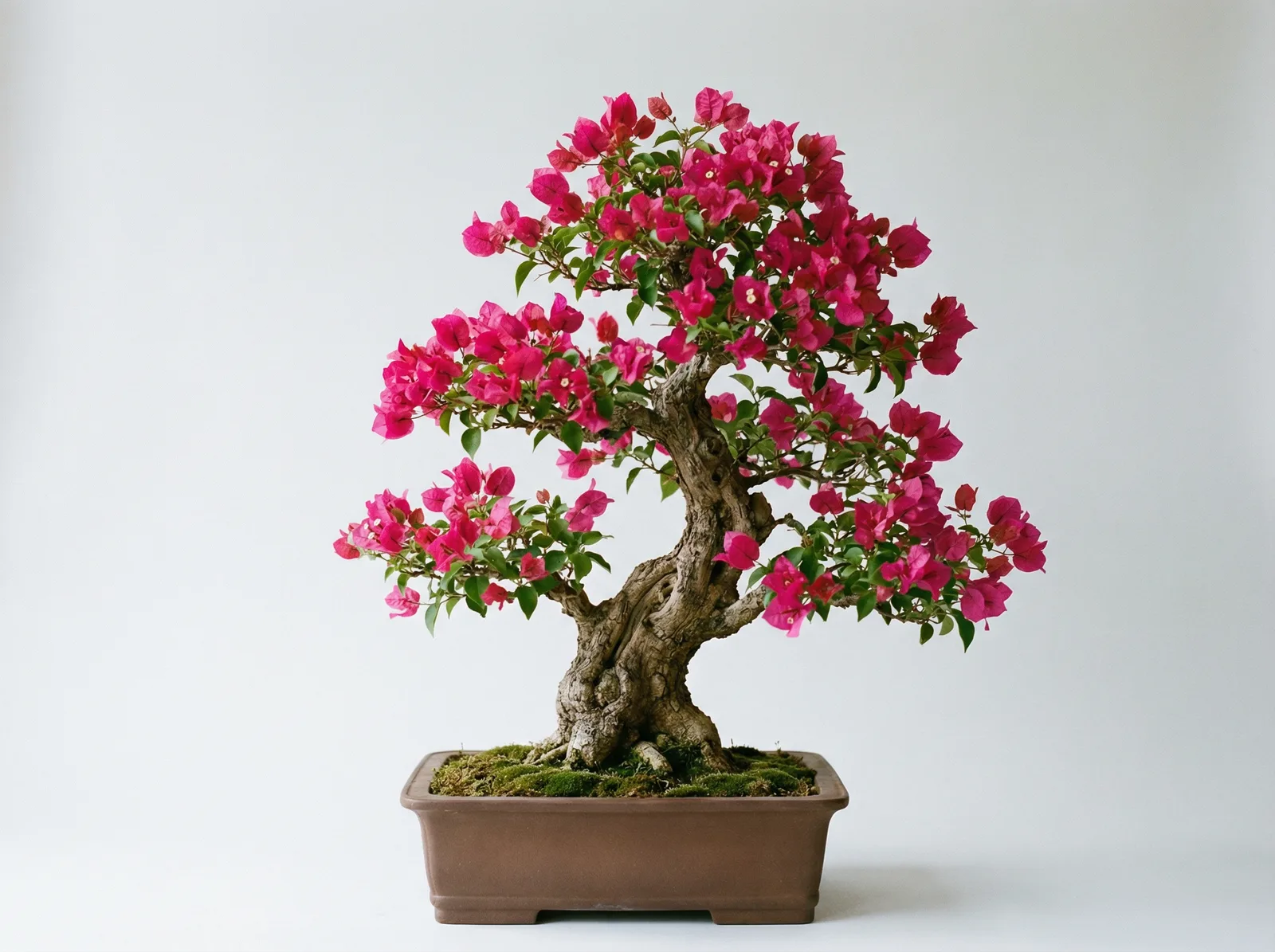
Bougainvillea Bonsai
- care
- intermediate
- light
- full sun
- zone
- 9–11
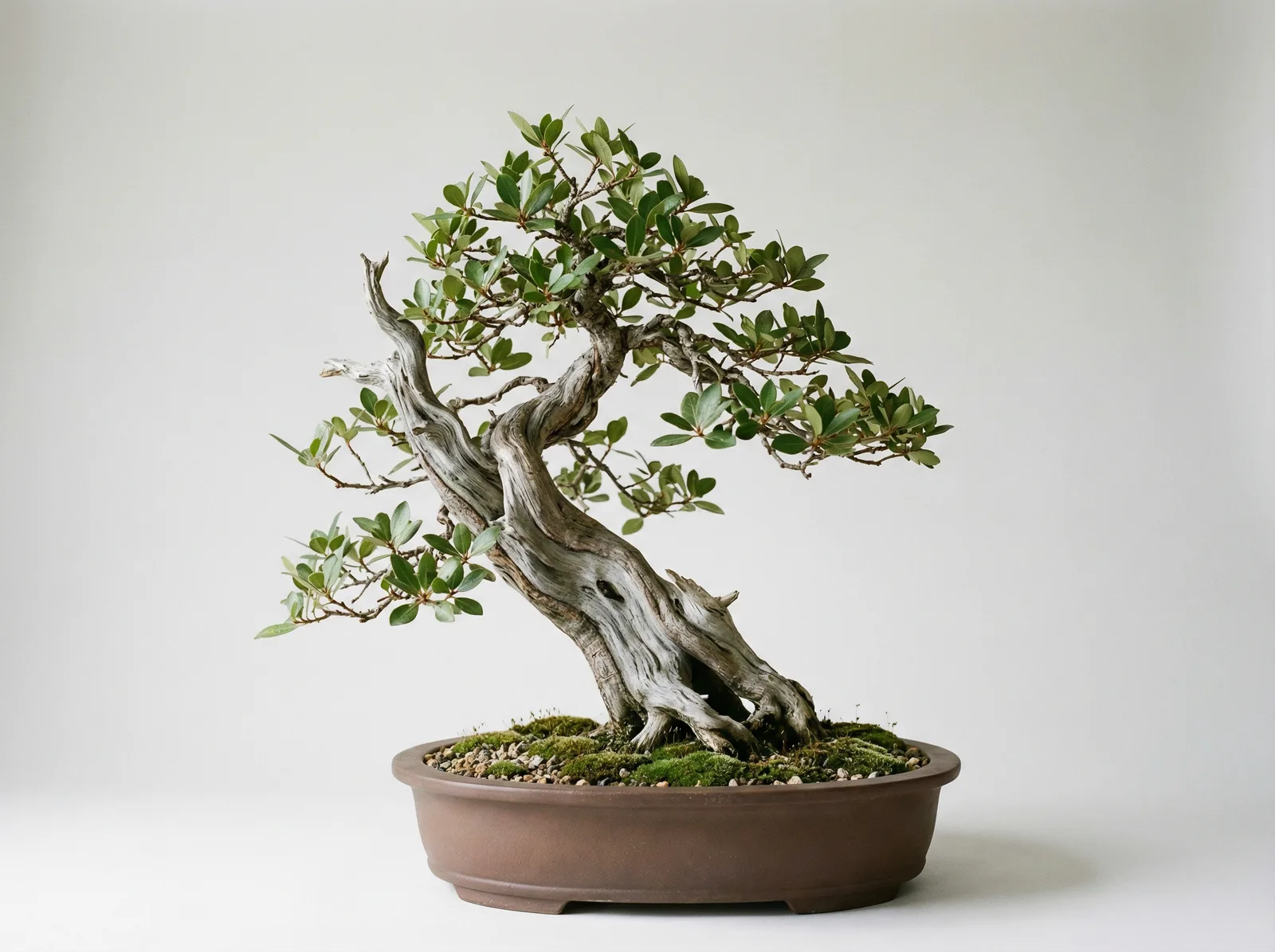
Conocarpus erectus · Combretaceae
Why grow it
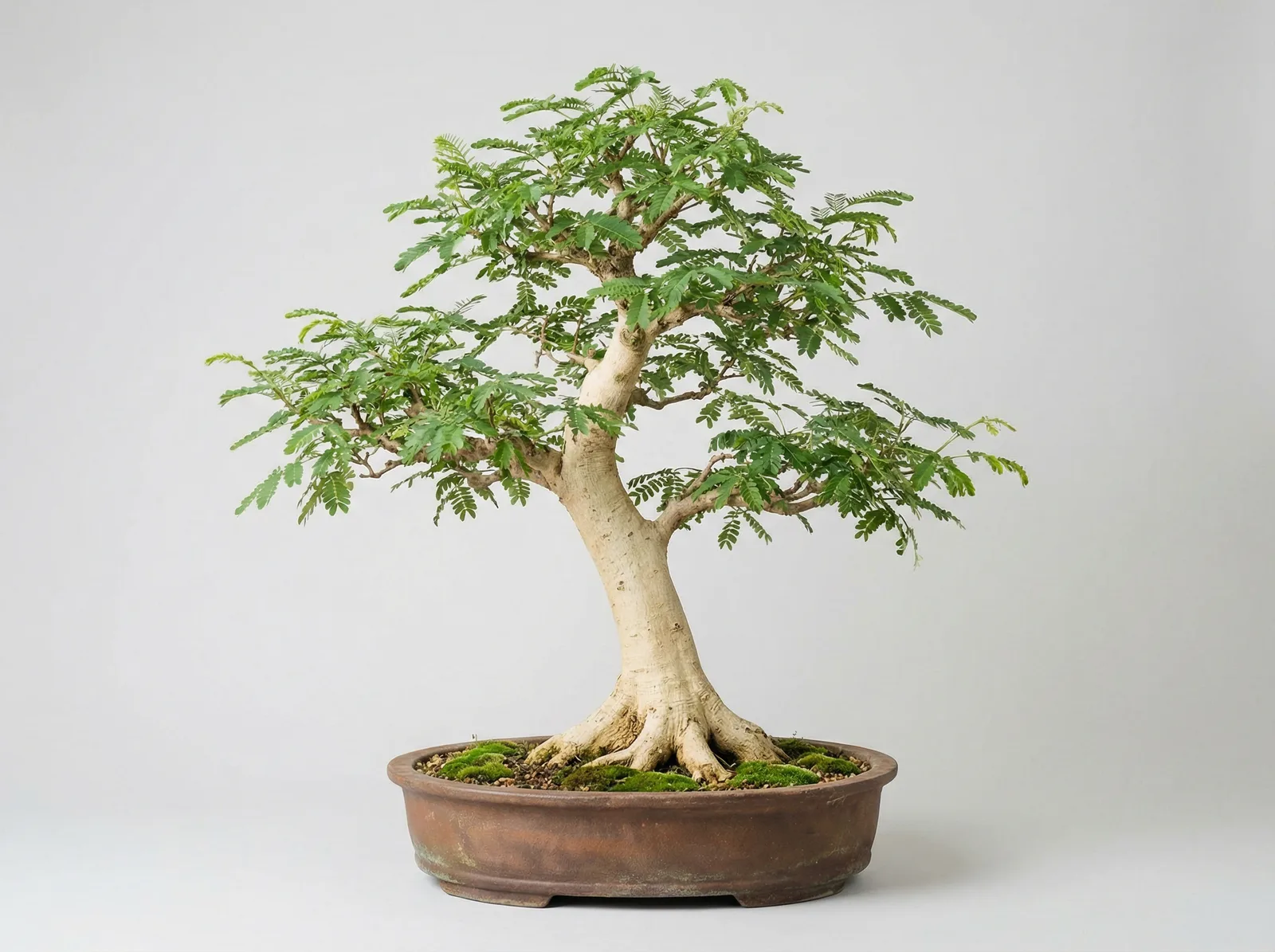
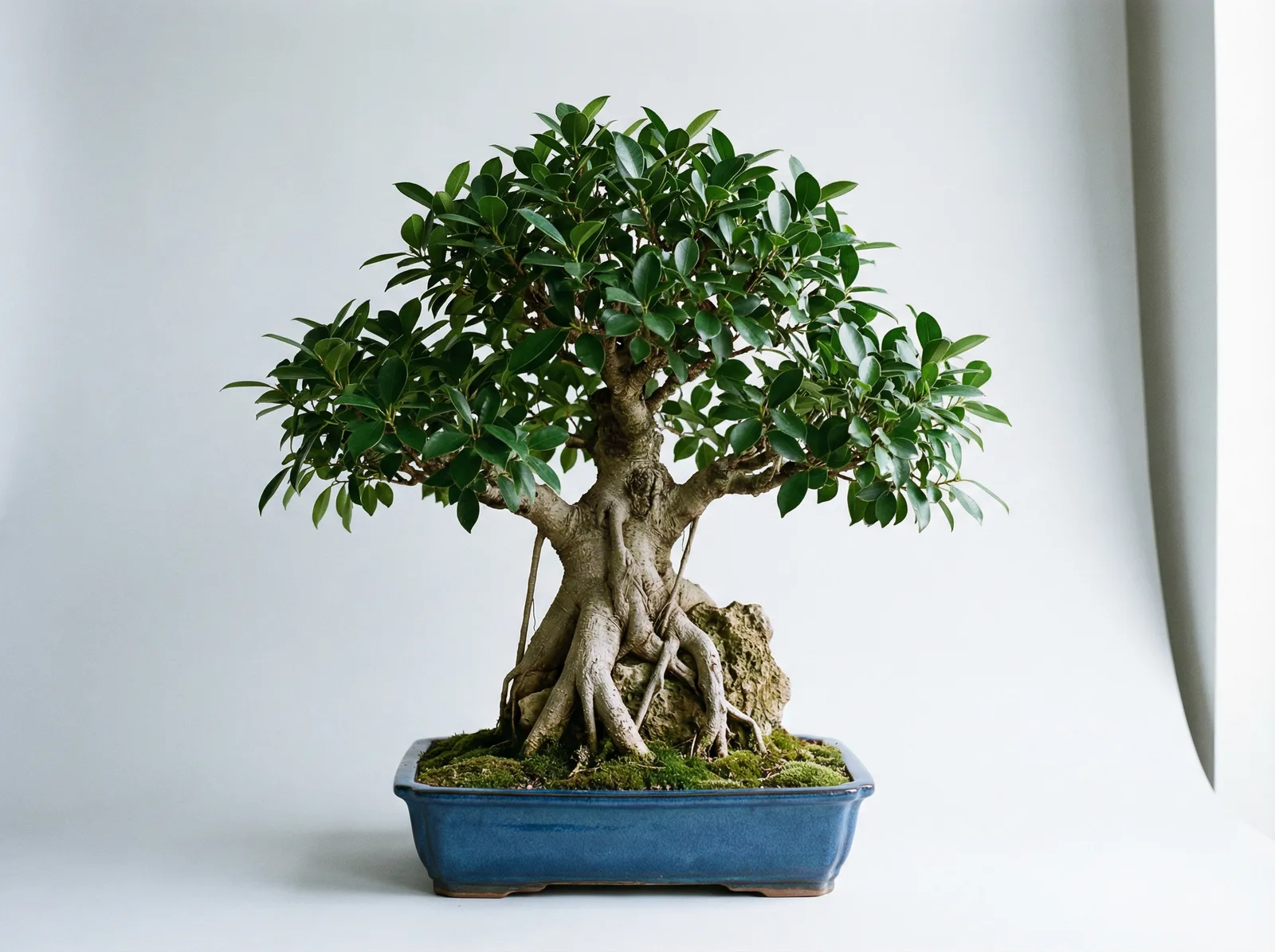
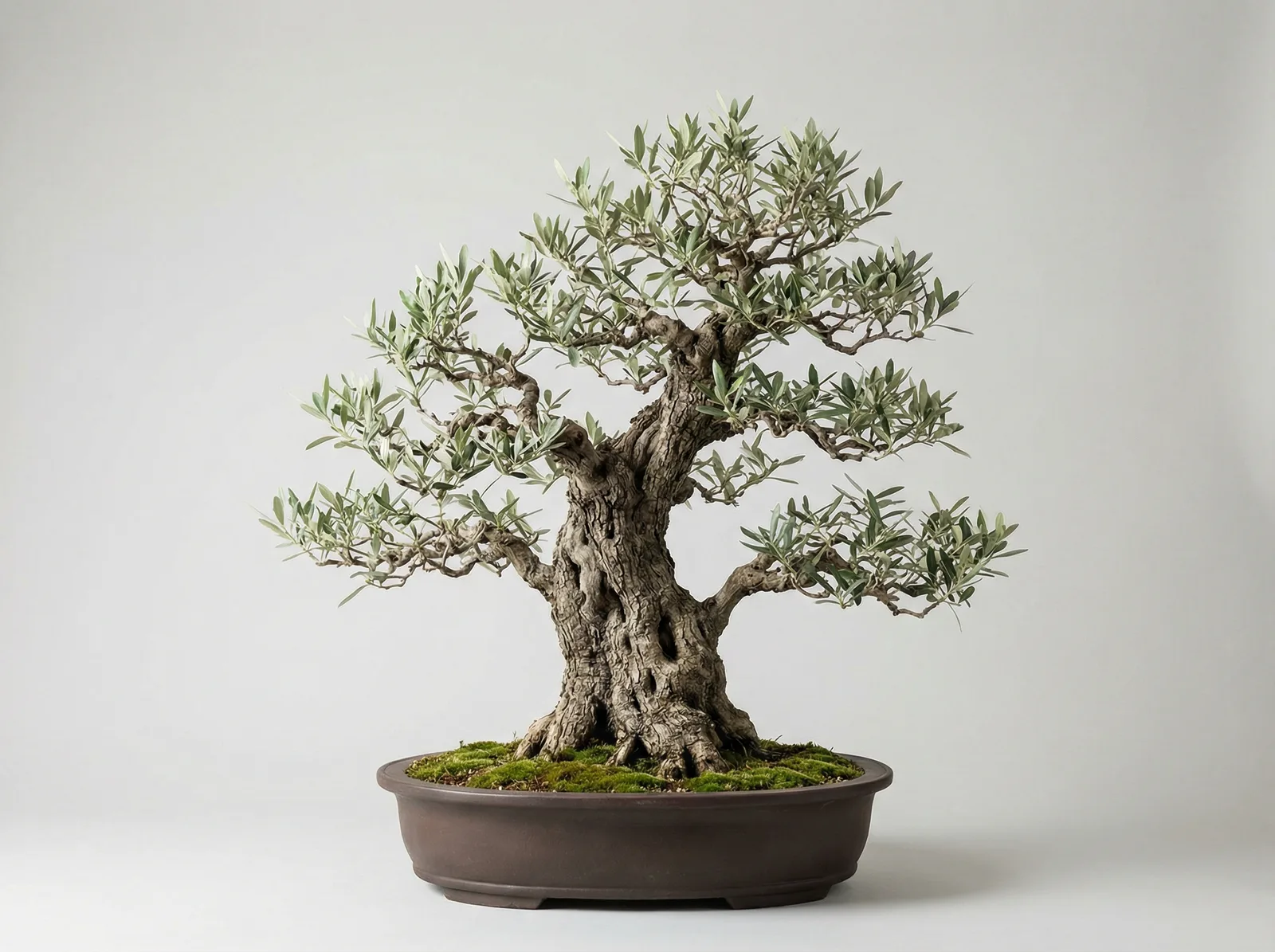
Buttonwood bonsai are South Florida royalty. Collected specimens from the Keys and the Everglades produce some of the most dramatic bonsai anywhere on earth -- twisted driftwood trunks, silver-gray bark, wind-carved character that looks like a hundred years of hurricanes shaped every line. Conocarpus erectus is the species, and in the right hands, it's world-class.
Two varieties to know: green buttonwood (the standard workhorse) and silver buttonwood (Conocarpus erectus var. sericeus), with fuzzy, gray-green leaves and slightly less vigor. Both make excellent bonsai, but green buttonwood gets used more because it's tougher and grows faster.
Mature buttonwood have a presence that stops you. The deadwood, the twisted trunks, the wind-blown styling -- it rivals the best collected juniper. If you live anywhere south of zone 9, this species deserves a prominent spot in your collection.
The routine
Sun. And more sun. Buttonwood grow naturally on coastal dunes and mangrove edges -- wide open, exposed habitats with zero shade. Give them full, unobstructed sun all day long. Anything less and the growth stretches, internodes elongate, and you lose the compact character that makes buttonwood special.
Here's a fun fact: buttonwood are salt-tolerant. If you live near the coast, this is one of the very few bonsai species that actually handles salt spray without flinching. While your juniper suffers, your buttonwood won't even notice.
Buttonwood looking rough right now?Skip to common problems below, or start with the symptom guide.Winter depends on your zip code. Zones 10-12? Normal care year-round, no changes. Zone 9? Cover or move to protection during occasional freezes. North of zone 9? Bring inside to a bright, cool spot and cut back watering. They'll survive indoors, but they're not happy about it.
Deadwood is a buttonwood trademark. Natural deadwood forms on collected trees, and you can carve it artificially with a die grinder or Dremel. The wood hardens beautifully and weathers to silver-white. Treat with lime sulfur to preserve it and prevent rot.
Shaping
In warm climates, you can prune buttonwood any time of year. Cut new growth back to one or two leaf pairs to hold the shape and build density. Each cut pushes multiple new shoots below it.
Structural pruning goes best during the growing season when recovery is fastest. Remove branches that fight the design, thin overcrowded zones, and sharpen the branch structure. One heads-up: buttonwood heal pruning wounds slowly. Use Japanese cut paste on anything larger than a pencil diameter. Large cuts left unsealed invite dieback.
Defoliation works for leaf reduction. Strip all leaves in early summer from a healthy, full-sun tree, and the new flush comes in smaller. Only defoliate trees that are vigorous and well-established. Never defoliate a recently repotted tree.
The bark is too attractive to damage with careless wiring. If you need to reposition a branch, wrap it with raffia first, then apply wire over the raffia. Or use guy wires anchored to the pot rim to pull branches into position without touching the bark at all.
Buttonwood styling is deadwood-first. On collected trees the driftwood is already there -- decades of salt wind and storms carved it -- and your job is framing it: windswept and driftwood compositions that make the silver-white wood the subject and the live foliage the supporting cast. On nursery stock you create the feature yourself, carving channels with a die grinder. The wood is hard, takes power carving well, and weathers beautifully under an annual coat of lime sulfur.
Literati style suits buttonwood that grow tall, sinuous trunks with sparse foliage at the apex. Strip most branches, keep one or two at the top, and the slim silhouette puts the trunk character on full display.
The shari technique -- stripping bark along the trunk so a living vein feeds the canopy while the rest becomes deadwood -- is classic, advanced buttonwood work. It produces dramatic results but demands a plan. Map the vein before you touch a blade.
Wire over raffia only; the bark damages easily and wounds close slowly. Branches set in four to six months, and the /tools/wire-gauge tool takes the guesswork out of wire thickness. Heavy branches move more safely with guy wires anchored to the pot rim.
When things go wrong
Cold is the enemy. One unexpected frost kills more buttonwood than every pest and disease combined. The foliage blackens and drops below 40 degrees Fahrenheit. Brief cold snaps cause leaf drop and the tree recovers. Prolonged freezing kills branches or the whole tree. Protect it. Period. After a cold snap, don't rush to prune -- wait for warmth and regrowth, then scratch doubtful branches with a thumbnail. Green under the bark means live wood; brown means cut back to green before dieback creeps further.
Leggy, stretched growth means one thing: not enough sun. This is the most common problem for growers outside South Florida who try to squeeze by with partial shade. They can't. Buttonwood need full, direct, blasting sun.
Scale insects are the primary pest -- little brown bumps attached to bark and leaf undersides. Wipe off small colonies with rubbing alcohol; anything persistent, treat per our pest control guide at /guides/pest-control. In tropical climates they show up year-round, so check year-round.
Buttonwood seal pruning wounds slowly. Much slower than most species. Plan your cuts carefully, use cut paste on anything larger than a pencil, and never leave stubs that can die back into the trunk. That dieback can turn a clean cut into a major problem.
South Florida bonsai nurseries are the source. Wigert's Bonsai offers everything from $40-80 starter buttonwood to collected specimens with massive trunks and natural deadwood for $300-2000+. Collected buttonwood from the Florida Keys are among the most coveted bonsai material in the Americas. Worth every dollar.
Outside Florida, online vendors ship nationwide. Expect $50-200 for pre-bonsai material. Buttonwood aren't as widely available as ficus or juniper -- this is a specialty species. Check with tropical bonsai clubs and regional sellers. If you see good material, buy it, because it might not be there next time you look.
Some links may become affiliate links; our picks don't change.
Also on the bench