What is the oldest bonsai tree?
Short answer
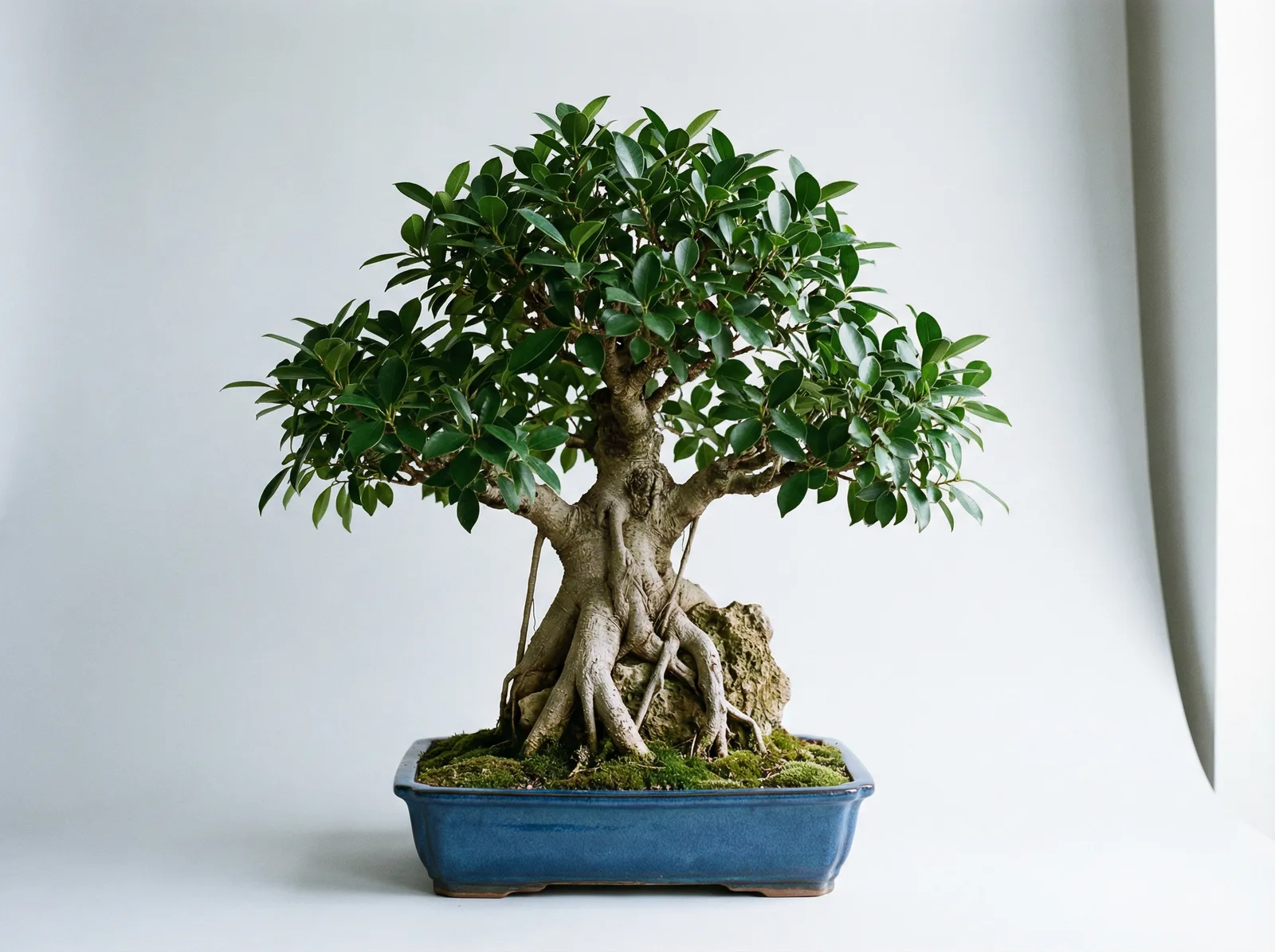
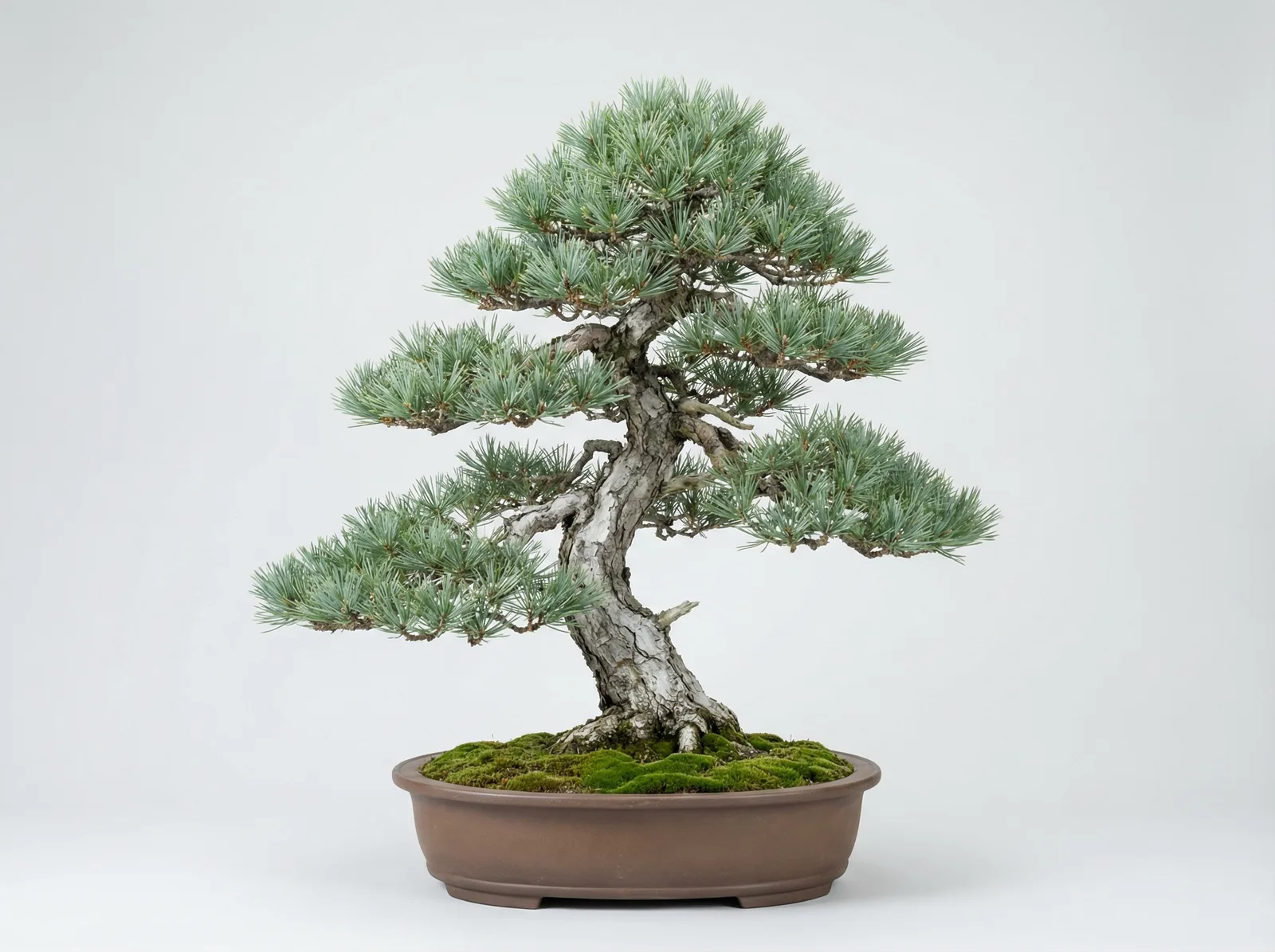
The oldest known bonsai is a Ficus retusa at the Crespi Bonsai museum in Italy, estimated at over 1,000 years old. Japan's Sandai Shogun no Matsu, a white pine in the Tokyo Imperial collection, is around 500 years old and has been trained since at least the 1600s. Trees this old have passed through many caretakers — which is the whole point of bonsai.
The famous old trees
A handful of ancient bonsai are documented well enough to name. Here are the ones worth knowing:
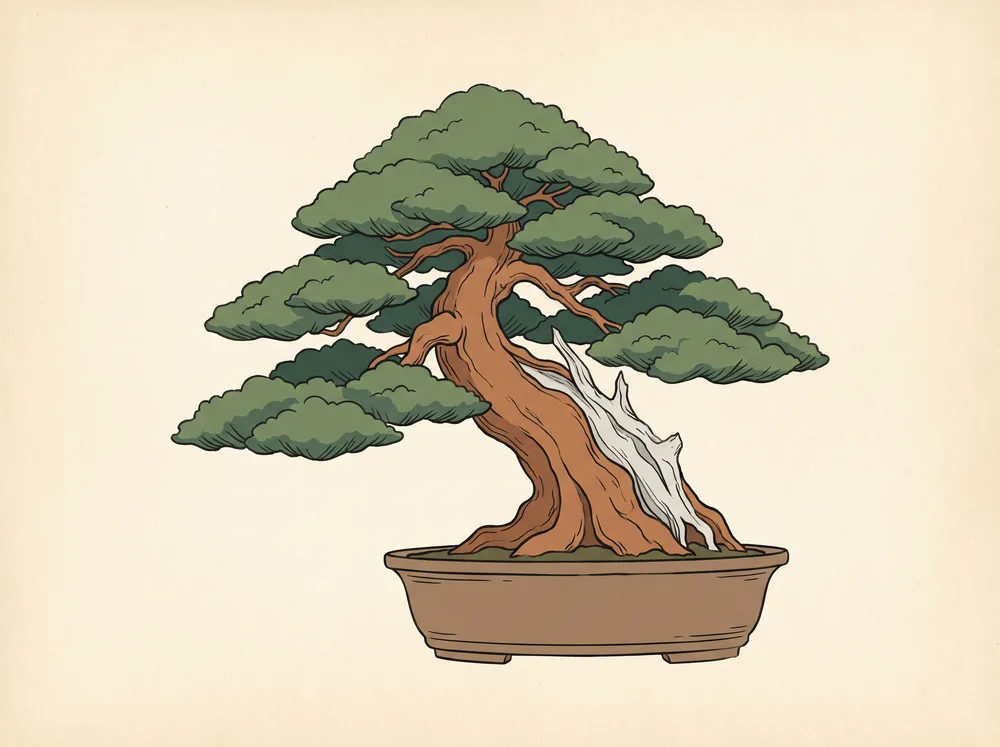
- The Crespi Ficus — a ficus at the Crespi Bonsai museum near Milan, estimated at over 1,000 years old and widely called the oldest bonsai in the world.
- Sandai Shogun no Matsu — a five-needle white pine in Japan's Tokyo Imperial Palace collection, roughly 500 years old and a designated national treasure.
- The Yamaki Pine — a ~400-year-old white pine that survived Hiroshima and now lives at the U.S. National Bonsai & Penjing Museum.
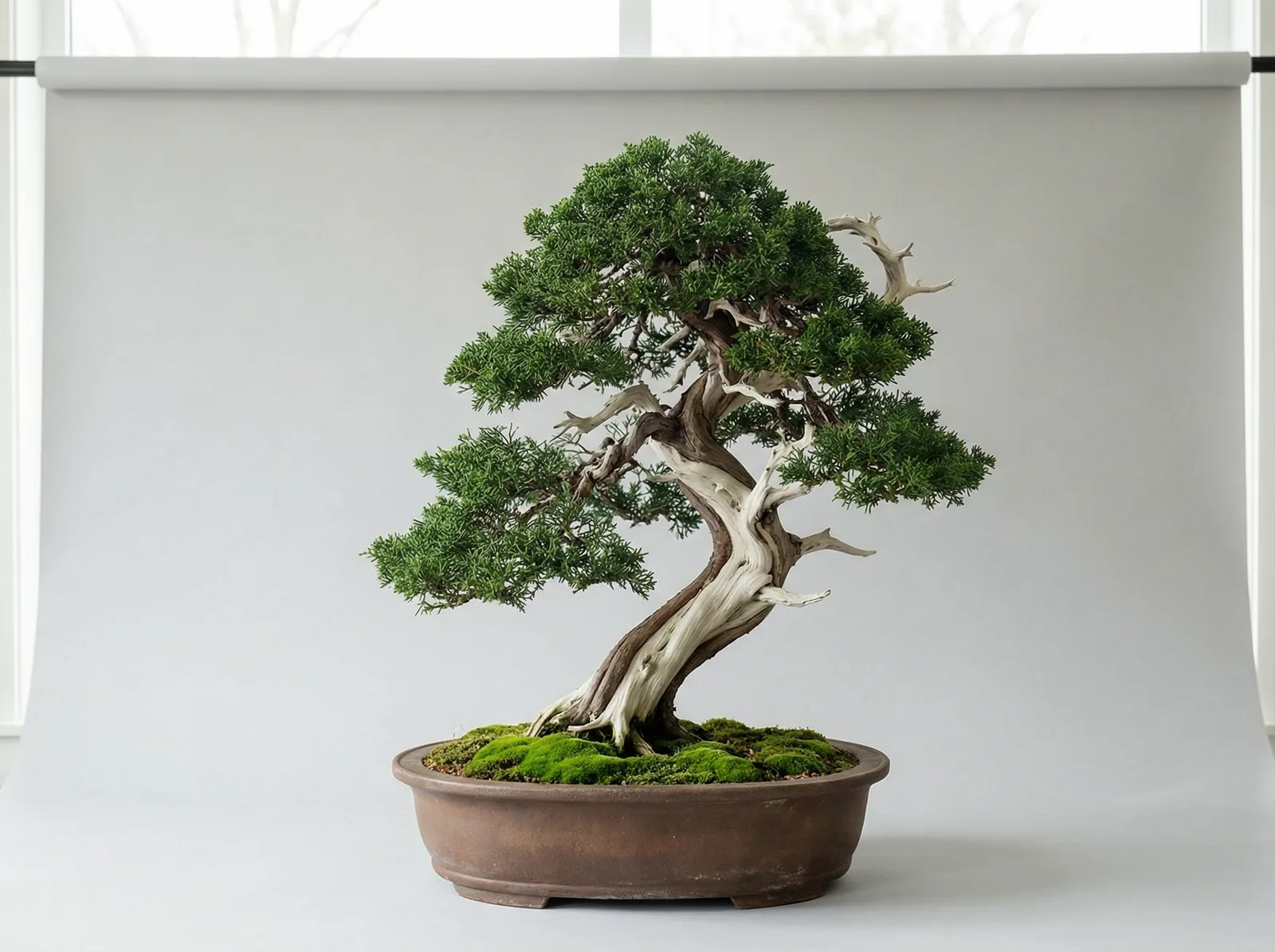
- The Shunka-en junipers — junipers in Kunio Kobayashi's Tokyo garden with centuries of documented training.
These trees have outlived dynasties. That's not marketing — it's the literal record.
How do we know how old a bonsai is?
Carefully, and with some honest uncertainty. For the best-documented trees, age comes from written records — collection logs, ownership histories, and dates of when a tree entered training.
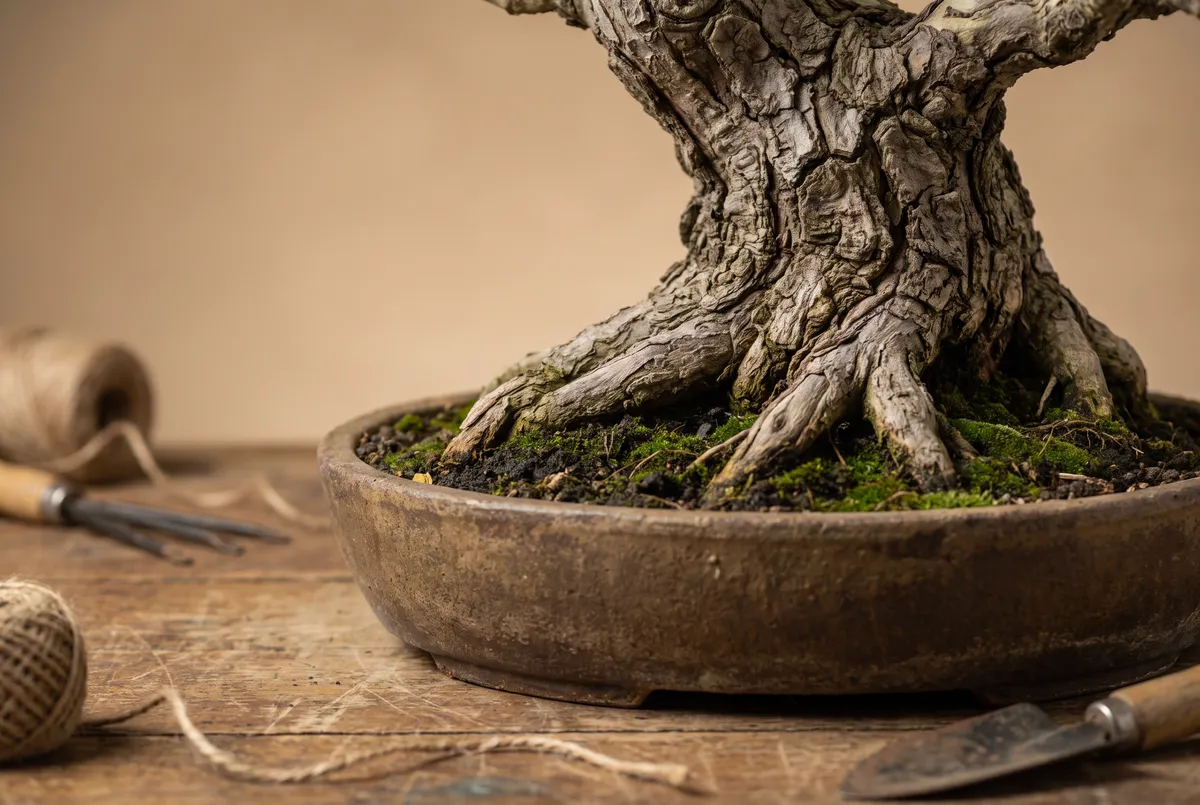
For older or wild-collected trees, it's an estimate: growers judge age from trunk girth, bark character, and growth patterns, cross-checked against how the species grows. Nobody cuts a prized bonsai open to count rings. So when you see “over 1,000 years,” read it as a well-reasoned estimate, not a birth certificate. Growers are comfortable with that range — confident precision would be the dishonest thing here.
Can your bonsai outlive you?
Easily, if you pick the right species and keep it healthy. Because bonsai is a growing technique and not a life-shortening one, a potted tree lives about as long as its kind would in the ground — and many bonsai species are naturally long-lived.
A juniper, pine, or Chinese elm started today and cared for properly can absolutely be handed to a grandchild. If a tree you can genuinely will to someone is the point, start with a conifer — a black pine outlives almost everything else you could plant. Use the picker below to see the realistic lifespan of any species in our directory.
Assumes ~30 years per caretaker and a healthy tree. The math is illustrative; the succession is real.
What this means for your tree
Ancient bonsai reframe what you're doing when you water a tree on a Tuesday. You're not the owner so much as the current caretaker — one link in a chain that could run for centuries.
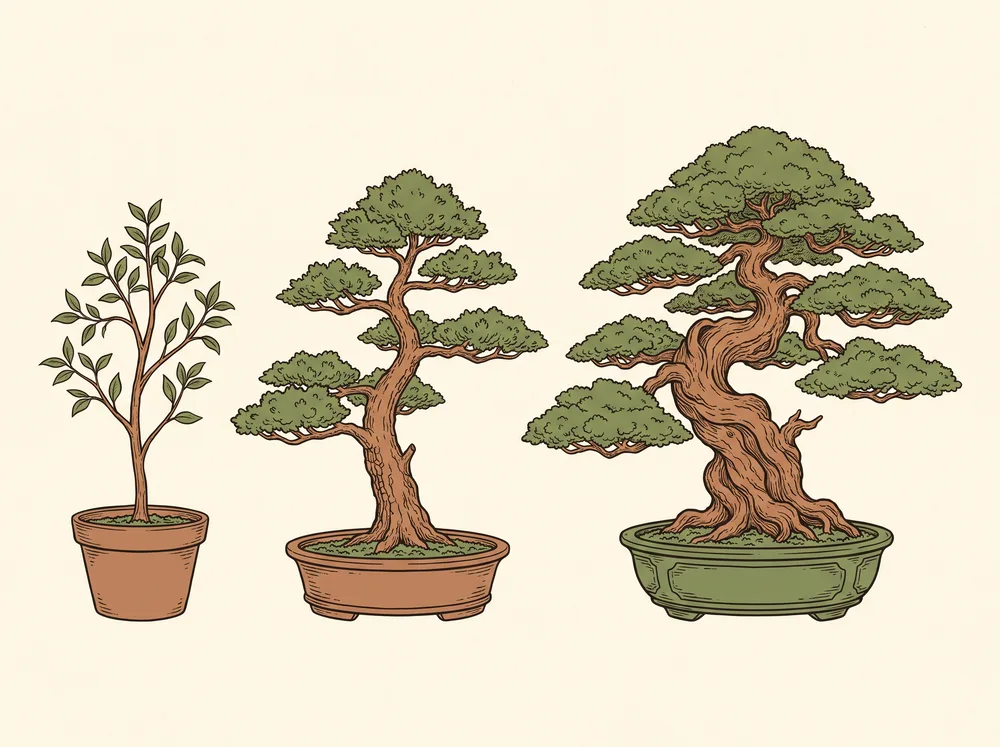
You don't need a 1,000-year-old tree to join that chain. A healthy young tree, kept alive and slowly improved, is the start of exactly the same story. If the long timeline appeals to you, read about what bonsai means — continuity is the honest heart of it.
Species mentioned here
More on “What is the oldest bonsai tree?”
Keep reading