What is the most expensive bonsai tree?
Short answer
The most expensive bonsai on record sold for about $1.3 million — a centuries-old pine shown at a Takamatsu bonsai convention in Japan. Prices that high come from age, history, and near-perfect form, not size. Trees like the Yamaki pine that survived Hiroshima are effectively priceless. For a normal tree of genuine quality, you're looking at hundreds, not millions.
The record holders
A few trees sit at the top of the bonsai world. They're worth knowing about because they show what the hobby's ceiling actually looks like:
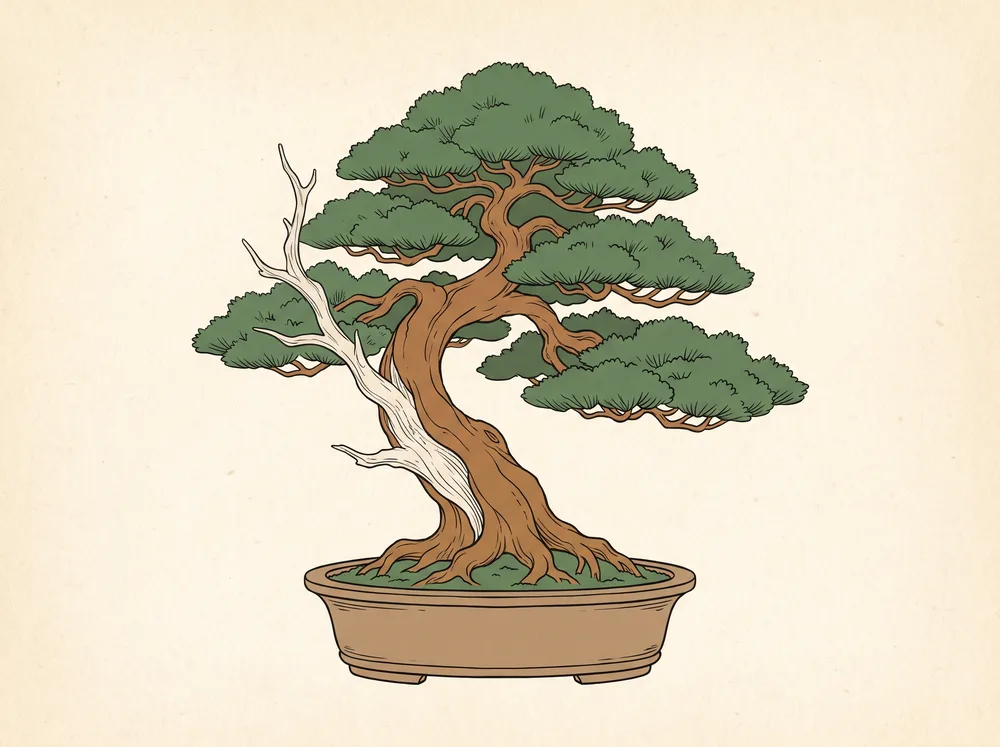
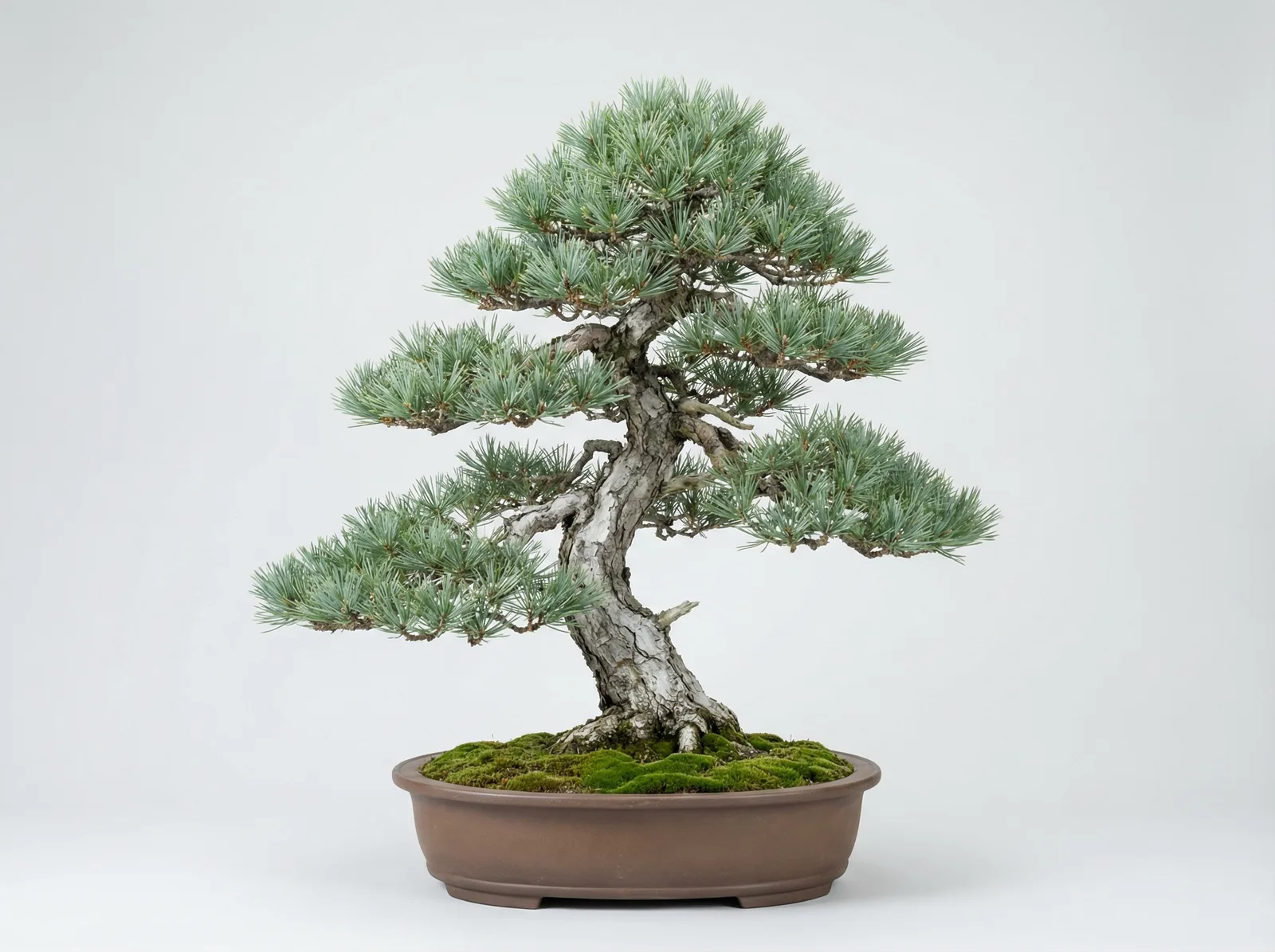
- The ~$1.3 million pine. A centuries-old Japanese white pine reportedly sold at a convention in Takamatsu — the figure most often cited as the highest bonsai price ever.
- The Yamaki Pine. A Japanese white pine roughly 400 years old that survived the atomic bombing of Hiroshima and was later gifted to the United States. It lives at the National Bonsai & Penjing Museum in Washington, D.C. It's not for sale at any price.
- The trees of Shunka-en. Master Kunio Kobayashi's Tokyo garden holds specimens valued well into six and seven figures.
Notice none of these are big. They're old.
Why old bonsai are worth so much
You can fake a lot of things. You can't fake age. That's the whole economics of the top of the market.
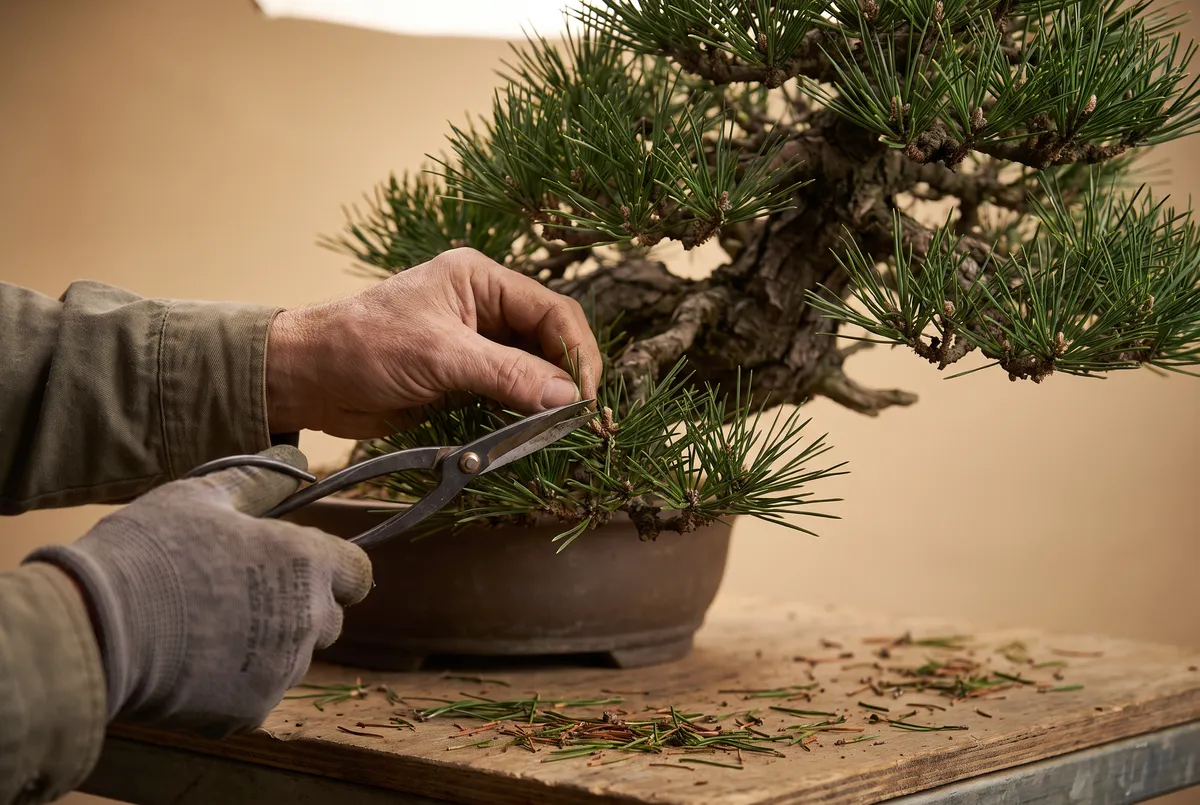
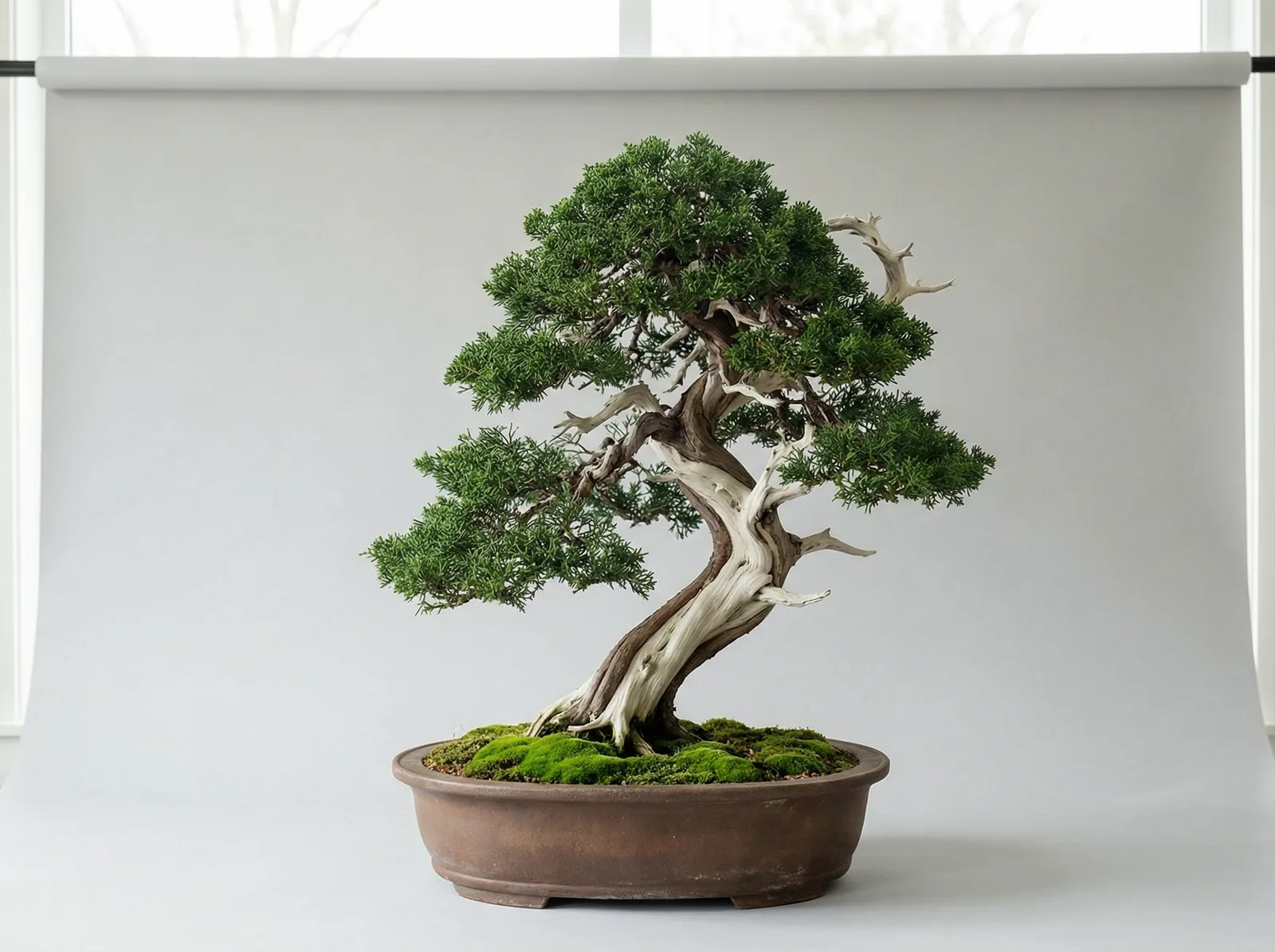
A thick, gnarled trunk with deadwood and a fine, twiggy canopy is the result of decades — sometimes centuries — of continuous, skilled work. Every year adds a ring you can't shortcut, and a tree that's been kept in perfect health that entire time is genuinely rare. Add provenance — a documented history, a famous former owner, a survival story — and the price climbs into art-market territory.
Here's the part that reframes the whole thing: a million-dollar bonsai isn't a bought object, it's an inherited job. Whoever owns it has to keep watering it correctly forever, or the value dies in a hot week. You're buying time and story, not lumber — and signing up to add your own years to it.
Can a bonsai be a good investment?
Honestly? For almost everyone, no — and we'd rather say that than sell you a dream.
High-end trees can hold or grow in value, but they demand expert care; a lapse can kill six figures of tree in a hot week. The market is thin and specialized. Unless you're already deep in the hobby with the skills to keep a specimen alive, treat bonsai as something you love, not a portfolio. The good news is that the reward — watching a tree get better under your hands — doesn't cost millions.
What a serious-but-sane tree costs
Between the mall shelf and the million-dollar pine sits a huge, reachable middle. A genuinely nice styled tree from a specialty nursery runs $150–500. A refined tree with real age and a good pot might be $500–2,000. That's a lot of tree for the money, and far more than most people ever need.
Use the picker below to see the typical starter price for any species in our directory — and remember a museum-grade version of that same species would cost orders of magnitude more. For the full breakdown, see how much bonsai cost.
Bands, not an appraisal — real specimen prices are set at shows and auctions by a very small market.
What this means for your tree
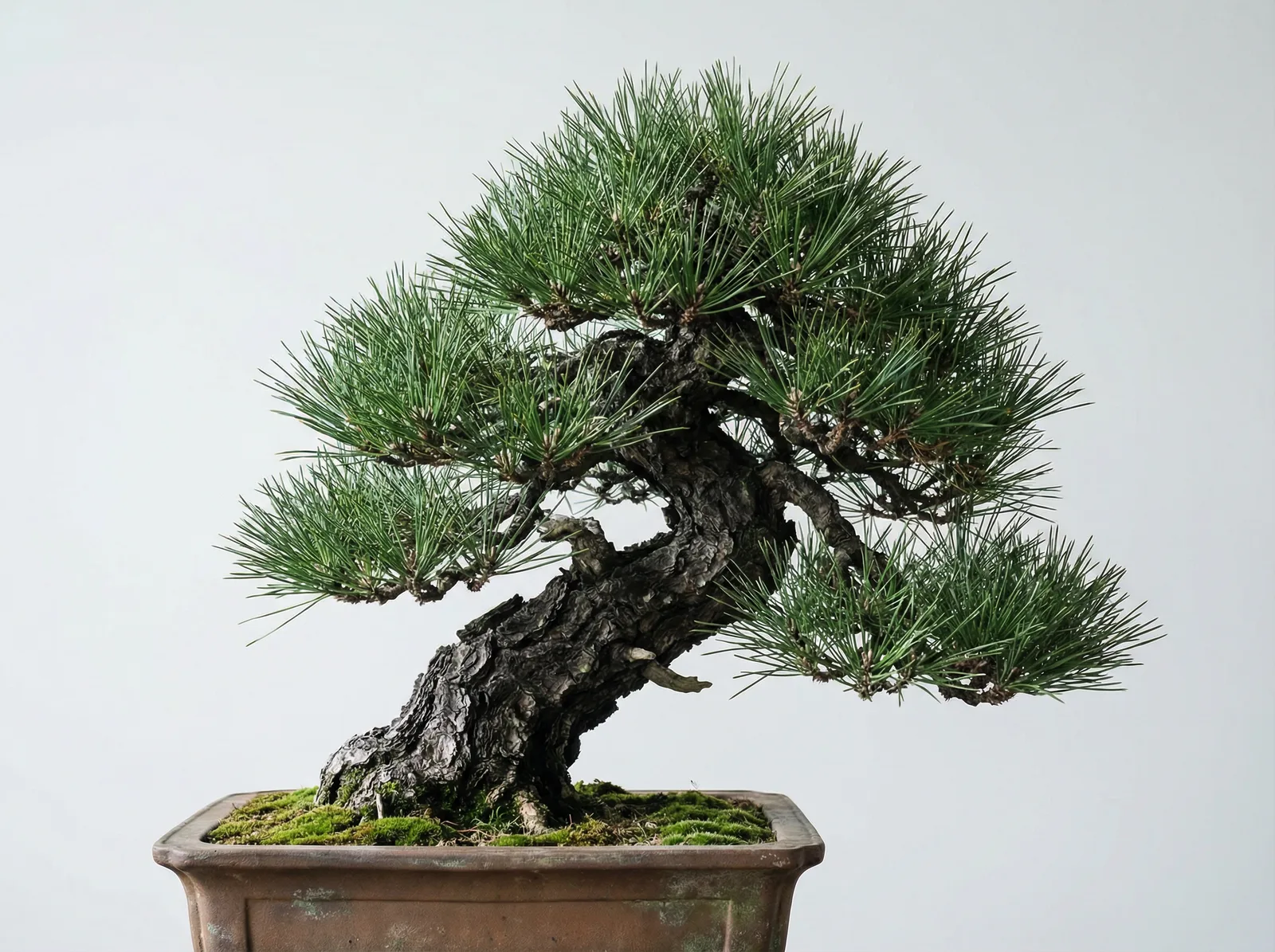
The million-dollar pine and the tree on your windowsill are the same practice at different points on the timeline. Every specimen tree was once a young plant somebody decided to keep alive and shape.
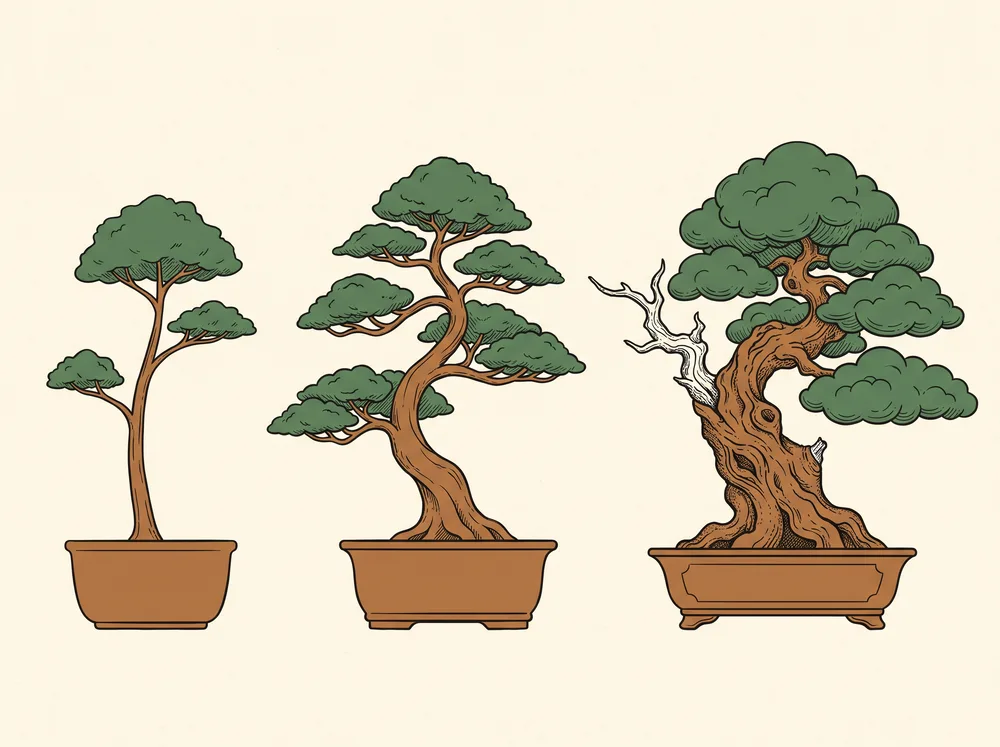
So the takeaway isn't “save up.” It's that the value in bonsai is built by care over years — and you can start building it today with a $40 tree. If you want to see the other end of the timeline, read about the oldest bonsai in the world.
Species mentioned here
More on “What is the most expensive bonsai tree?”
Keep reading